Water Kefir: The Fizzy Probiotic Drink You Can Make in 48 Hours
Naturally carbonated, lightly sweet, alive with beneficial bacteria - the probiotic drink that is nothing like anything sold in a bottle
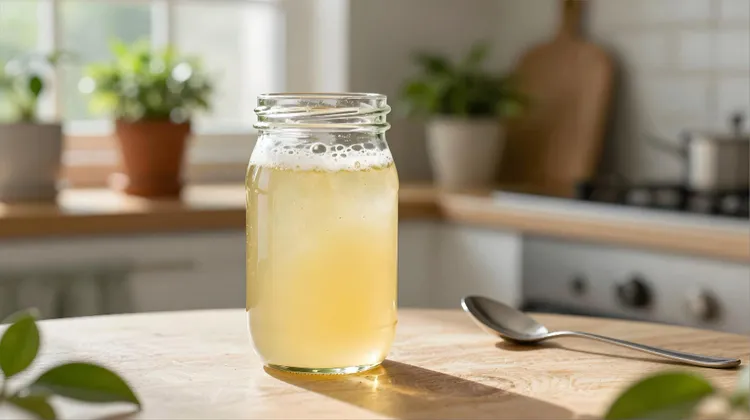
Most probiotic drinks sold commercially have one thing in common: they taste like something you're taking because it's good for you. The flavour is an afterthought - a compromise between the requirements of the product and the taste that consumers will tolerate.
Water kefir is the opposite. It is a genuinely delicious drink - lightly fizzy, slightly sweet, with a gentle tang and a clean, refreshing character that has nothing to do with the medicinal associations of the probiotic supplement category. It tastes like a sophisticated soft drink, with more complexity and more character than any commercial equivalent. And it contains a diverse community of beneficial bacteria and yeasts that no commercial product can replicate in its specific composition.
It also takes 48 hours from start to drink, requires no cooking, and produces no waste - the grains grow with each batch and can be shared with other home fermenters indefinitely.
This guide covers everything: what water kefir grains are, the first fermentation, the second fermentation that creates the fizz, grain care, five flavour directions, and the troubleshooting that makes it work reliably every time.
📖 The gut health context: Water kefir's diverse microbial community - more species than most probiotic supplements - makes it one of the most interesting fermented drinks for gut health. See The Gut Health Connection: What Fermented Foods Actually Do for the research context.
What Water Kefir Grains Actually Are
Water kefir grains are a SCOBY - a Symbiotic Culture Of Bacteria and Yeast - in the form of translucent, slightly gelatinous granules that resemble small crystals or irregular cauliflower florets. They are not actual grains (they contain no gluten); the name refers only to their appearance.
The grains are a matrix of polysaccharides (complex sugars) produced by the bacteria, which holds the microbial community together. Inside this matrix lives a community of approximately 10-15 species of bacteria (primarily Lactobacillus, Leuconostoc, Streptococcus, and others) and 5-10 species of wild yeast (primarily Saccharomyces cerevisiae, Lachancea fermentati, and others).
This community collectively:
- Ferments sugars into lactic and acetic acids (producing the tang)
- Produces CO2 (producing the fizz)
- Produces small amounts of ethanol (typically less than 1%)
- Produces B vitamins and other metabolic compounds
- Produces bacteriocins (antimicrobial compounds that may inhibit pathogens)
The grains are alive and grow with each fermentation cycle - a healthy culture increases in volume by approximately 10-20% per batch. This is why they can be shared and why they have been passed between home fermenters for generations.
Where to get grains: Online suppliers (search "water kefir grains"), fermentation communities (Facebook groups, local fermentation clubs), and occasionally from other home fermenters who have excess grains from their own growing cultures. Dried grains are also available online - they need a few days of rehydration before they reach full activity.
Ingredients
For the first fermentation:
- 1 litre unchlorinated water - filtered or left to stand 30 minutes
- 60g white sugar - standard cane sugar. Do not use honey (its antimicrobial properties inhibit the grains), stevia (no fermentable sugars), or brown sugar for initial batches (molasses content can stress the grains; introduce gradually once established)
- ¼ tsp unsulphured blackstrap molasses - optional but recommended, especially for new or reviving grains. Provides minerals (particularly calcium and magnesium) that the grains need to remain healthy
- 3-4 tbsp active water kefir grains (approximately 30-40g) - the starter culture
Optional mineral additions (support grain health):
- 1 small piece of eggshell, rinsed and dried - adds calcium
- A few dried, unsulphured fruit pieces (fig, apricot, raisin) - adds trace minerals and additional sugars
The First Fermentation (24-48 hours)
Method
Step 1: Dissolve the sugar (and molasses if using) in a small amount of warm water - approximately 100ml. Allow to cool to room temperature. Add the remaining water.
Do not use hot sugar water with the grains. Temperatures above 30°C stress and eventually kill the microbial community in the grains.
Step 2: Pour the sugar water into a clean 1-1.5 litre glass jar. Add the rinsed water kefir grains.
Do not rinse grains with chlorinated tap water - use filtered water or the sugar water itself. Chlorine damages the microbial community.
Step 3: Cover loosely with a muslin cloth or coffee filter secured with a rubber band. Do not use a sealed lid during the first fermentation - CO2 must escape freely or pressure builds dangerously.
Step 4: Leave at room temperature (20-24°C) for 24-48 hours.
Reading the fermentation:
- After 24 hours: the liquid should be slightly fizzy when stirred and the grains should be floating or moving actively in the liquid. The taste should be noticeably less sweet than the original sugar water - the bacteria and yeast have been consuming the sugar.
- After 48 hours: a tangier, fizzier, less sweet result. The grains will have grown slightly in volume.
When is first fermentation done? Taste it. It should be pleasantly tart and mildly fizzy, with residual sweetness. If still very sweet and uncarbonated at 48 hours, the grains may need more time to activate (particularly new or recently revived grains) or the kitchen may be too cool.
Step 5: Strain the liquid through a fine-mesh strainer into a bowl, catching the grains. Remove any added fruit or eggshell.
The strained liquid is first ferment water kefir - lightly fizzy, tangy, and drinkable as-is. Or proceed to the second fermentation for significantly more carbonation and flavour.
Step 6: Care for the grains Rinse the grains gently with filtered water, then either:
- Start the next batch immediately (active fermenters)
- Store in the refrigerator in a small amount of sugar water (1 cup water + 1 tbsp sugar) for up to 1 week
The Second Fermentation: Building the Fizz
The second fermentation is what transforms first ferment water kefir from a lightly fizzy drink into something with the effervescence of a sparkling drink. It also allows for flavour additions - fruit juice, ginger, herbs - that are absorbed and amplified during the second ferment.
Method
Step 1: Pour the first ferment liquid into swing-top (Grolsch-style) bottles. These are essential - the sealed swing-top lid traps the CO2 produced during second fermentation, building pressure and creating carbonation.
Add any flavouring:
- 50-80ml fruit juice per 500ml kefir (see flavour guide below)
- 2-3 thin slices of fresh ginger
- 2-3 pieces of dried fruit (adds sugar for carbonation and flavour)
- A few fresh herbs, a cinnamon stick, or other aromatic additions
Step 2: Seal the bottles and leave at room temperature for 12-24 hours.
Pressure monitoring: "Burp" the bottles after 12 hours - open briefly over a sink to release some pressure, then reseal. This gives you a feel for how much carbonation has built and reduces the risk of over-carbonation.
Step 3: Move to the refrigerator once the desired carbonation level is reached. The cold stops active fermentation and preserves the fizz.
Warning: Over-fermented second ferment water kefir can build significant pressure. Open bottles over a sink, pointing away from your face. Use proper swing-top bottles designed for carbonated drinks - standard mason jars are not suitable for carbonated second ferments.
Drinking: Chilled second ferment water kefir is best consumed within 1 week, though it keeps longer. The flavour and carbonation continue to develop slowly in the refrigerator.
Five Flavour Directions
1. Ginger Lemon
The classic. Add 3-4 thin slices of fresh ginger and the juice of half a lemon to 500ml of first ferment water kefir before the second fermentation. The ginger provides a warm, spicy note that grows over 24 hours; the lemon adds brightness. The result tastes like a very good ginger beer crossed with a lemonade. Add a pinch of turmeric for colour and an additional anti-inflammatory note.
2. Mixed Berry
Add 60ml of fresh or frozen berry juice (or blend berries and strain) to 500ml of first ferment kefir. Blackberry, raspberry, blueberry, or a mixture. The berry sugars fuel a vigorous second fermentation; the colour turns the kefir a vivid pink or purple. The flavour is fruity, slightly tart, and the berry character integrates beautifully with the tang of the kefir.
3. Tropical Mango and Lime
50ml mango juice + juice of ½ lime per 500ml. The tropical sweetness of mango against the tang of the kefir is a combination that tastes summery and complex. A thin slice of chili is an interesting addition - the gentle heat behind the tropical sweetness is unexpectedly excellent.
4. Apple and Cinnamon
60ml apple juice + 1 cinnamon stick per 500ml. The cinnamon infuses gently during second fermentation, producing a warm, slightly spiced kefir that is particularly good served slightly warm (not hot - heat damages the live cultures). Tastes like a naturally fermented sparkling apple cider with warming spice.
5. Hibiscus and Rose
2 tsp dried hibiscus flowers + 1 tsp dried rose petals per 500ml. Steep in a small amount of hot water first, cool completely, then add to the first ferment liquid before second fermentation. The hibiscus produces a vivid crimson colour and a tart, fruity flavour. The rose provides a floral note that is elegant rather than perfumed. The most visually striking water kefir in this collection.
Grain Care: Keeping Your Culture Healthy
Water kefir grains require consistent mineral availability to remain healthy. Unlike milk kefir grains (which get minerals from the milk), water kefir grains need their minerals provided through the sugar water.
Signs of healthy grains:
- Plump, translucent, slightly gelatinous granules
- Growing in volume with each batch (10-20% increase)
- Active fermentation within 12-24 hours
- The finished kefir is pleasantly tangy and fizzy
Signs of stressed grains:
- Flat, thin, or mushy texture (instead of slightly firm granules)
- Slow or absent fermentation
- Grains not growing or shrinking in size
- Very sour kefir without fizz
How to revive stressed grains:
- Add a pinch of molasses to the next 3-4 batches (mineral restoration)
- Add a small piece of dried fig or a few raisins
- Ensure the water is unchlorinated
- Move to a warmer location (22-24°C)
- Feed more frequently (every 24 hours rather than 48)
Excess grains: Water kefir grains grow consistently. Once you have more than you need (above approximately 60-80g for a 1-litre batch), remove the excess and:
- Share with other home fermenters
- Add to smoothies (they are edible and have a neutral, slightly sweet flavour)
- Compost (they are entirely organic)
Troubleshooting
The kefir is very sweet and barely fizzy after 48 hours. The grains are not yet active enough - common with new or recently revived grains. Continue feeding daily for 3-5 days until activity increases. Add a pinch of molasses to support the grains. Ensure the fermentation temperature is at least 20°C.
The second ferment is barely carbonated. Insufficient residual sugar for the second ferment yeast to produce CO2. Ensure the first ferment hasn't gone too long (consuming all the sugar). Add a small amount of additional sugar (½ tsp per 500ml) or a few raisins to the second ferment bottle.
The kefir is very alcoholic-tasting. The fermentation has run too long - more ethanol than ideal has been produced. Shorten the first ferment to 24 hours. Move to a cooler location to slow fermentation.
The grains are disintegrating. Severely stressed - often from chlorinated water, metal contact, or extreme temperatures. Revive with multiple mineral-rich feedings (molasses, minerals) over 5-7 days at 22-24°C with unchlorinated water. If no improvement after 10 days, the grains may be beyond recovery - source fresh grains and start again.
The kefir tastes sour but not fizzy. The yeast population is low relative to the bacteria. The kefir is over-fermenting on the acid side without sufficient CO2. Feed more frequently to prevent over-acidification; ensure adequate mineral supply for yeast health.
Pro Tips
- Never use metal utensils or bowls with water kefir grains. Metal (particularly reactive metals like aluminium or copper) can leach ions that damage the microbial community. Use glass, ceramic, or food-grade plastic for all equipment that contacts the grains.
- Maintain a consistent fermentation temperature. Variation between 18°C and 26°C from batch to batch produces unpredictable results - the fermentation time changes significantly. Find a consistent warm spot and use it for every batch.
- Start simple, then flavour. Make your first 3-4 batches plain or with just lemon and ginger to understand the baseline behaviour of your grains before adding complex flavourings that might obscure what the culture is doing.
- Date your second ferment bottles. Carbonation builds over time in the refrigerator. A bottle left for two weeks can be significantly more carbonated than one consumed after 3 days - and significantly more likely to overflow when opened.
- The ratio of grains to sugar water matters. Too few grains (under 2 tbsp per litre): slow, weak fermentation. Too many grains (over 6 tbsp per litre): rapid, over-fermented kefir that is very sour and may not have enough residual sugar for second fermentation. 3-4 tbsp per litre is the reliable standard.
Common Mistake: Using Honey Instead of Sugar Honey's natural antimicrobial properties - the very properties that make it excellent for soothing throats and preserving foods - are harmful to water kefir grains. Even raw honey used regularly will gradually weaken and eventually kill the microbial community in the grains. Use plain white cane sugar as the primary fermentation sugar. Once you have an established, active culture, you can experiment with small amounts of coconut sugar or rapadura, introduced gradually. Honey should not be used in water kefir.
FAQ
Q: Where do I source water kefir grains?
Online suppliers are the most reliable source - search "buy water kefir grains" for suppliers in your country. Fermentation community groups (Facebook, Reddit r/fermentation) are an excellent source of free grains from home fermenters with excess. Dried grains are available from Amazon and specialty fermentation retailers - they require a few days of rehydration before reaching full activity.
Q: Is water kefir alcoholic?
Very mildly - typically 0.5-1.5% alcohol by volume, comparable to some kombucha and significantly less than wine or beer. The alcohol content increases with longer fermentation. The standard 24-48 hour first fermentation produces a negligible alcohol content.
Q: Can children drink water kefir?
Yes - the alcohol content is negligible (0.5-1%), lower than many fruit juices that ferment naturally in the bottle. Many families give children water kefir as a probiotic-rich alternative to sugary drinks. Monitor individual tolerance as with any new food.
Q: My grains have turned slightly yellow. Is this normal?
Yellow tinting is common and normal - often from molasses, certain fruit flavourings, or the natural pigments in the fermented sugar water. It does not indicate a problem. Grains that turn pink, orange, or black are a different matter - these colours indicate contamination.
Q: What's the difference between water kefir and milk kefir?
Different grains, different medium, different microbial community, different flavour profile. Water kefir grains ferment in sugar water and produce a lightly tangy, fizzy drink. Milk kefir grains ferment in dairy milk and produce a thick, tangy, yogurt-like drink. The grains are not interchangeable - milk kefir grains cannot ferment sugar water effectively, and water kefir grains cannot ferment milk.
🔗 Continue Fermenting
- Milk Kefir: Thicker Than Yogurt, Better for Your Gut
- Kvass: The Ancient Fermented Bread Drink of Eastern Europe
- Yogurt from Scratch: Better Than Any Shop-Bought Version
- Sauerkraut: The Easiest Ferment You'll Ever Make
- The Gut Health Connection: What Fermented Foods Actually Do
- Fermentation & Gut Health at Home: The Ultimate Guide
Latest