Kvass: The Ancient Fermented Bread Drink of Eastern Europe
The thousand-year-old drink made from stale bread - and one of the most surprising ferments in this collection
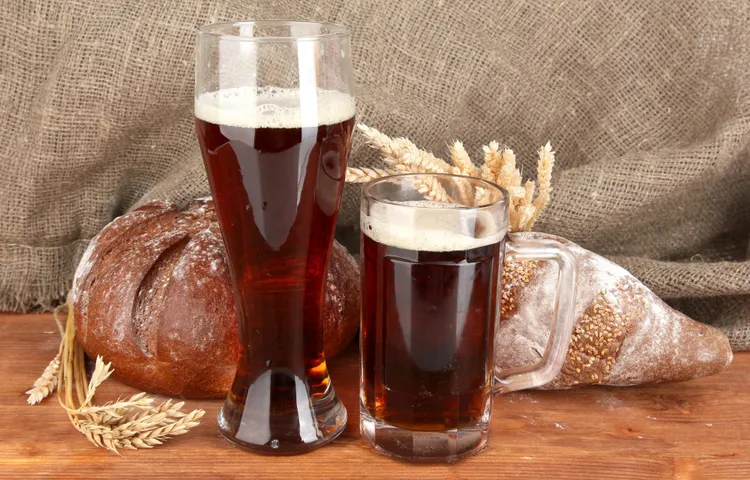
Of all the ferments in this collection, kvass is the one most likely to produce genuine astonishment when you taste it for the first time.
You start with stale dark rye bread, water, and a small amount of sugar. Within 24-48 hours, you have a drink: slightly fizzy, deeply flavoured from the bread, with a complex malty sweetness and a clean lactic tang that is reminiscent of a very gentle beer or a flavoured kombucha. It is refreshing in a way that surprises people who approach it cautiously. It is also, without question, the fastest fermented drink in this collection - the one that produces dramatic results from almost no effort.
Kvass has been made continuously in Russia, Ukraine, Poland, and Eastern Europe for over a thousand years. It appears in the oldest Slavic texts, brewed in monasteries and kitchens alike, drunk by everyone from peasants to tsars. It was - and in many regions still is - the everyday drink of the working population: cheap, nourishing, slightly energising from its low alcohol content, and made from bread that would otherwise have gone to waste.
The irony is that kvass has been almost completely absent from English-language food culture until recently. It is one of the genuinely undiscovered ferments in this collection - a recipe that, if you search English fermentation sites, finds almost nothing. That makes it one of the easiest SEO wins in this pillar and, more importantly, one of the most genuinely rewarding discoveries for home fermenters.
📖 Read Fermentation Safety and The Science of Fermentation before starting - both apply directly to kvass.
The History: Bread, Water, and a Thousand Years
The earliest documented reference to kvass in Slavic texts dates to 989 CE, when Grand Prince Vladimir of Kiev ordered kvass to be distributed to the people during celebrations. The word itself is ancient - from the Proto-Slavic root meaning "sour" or "acid." It predates commercial brewing by centuries.
Traditional kvass was made from rye bread - specifically the black, dense, slightly sour rye bread (Borodinsky, Darnitsky, and similar) that was the staple bread of Eastern Europe. The bread's existing mild sourness from its own production (most Eastern European rye breads are lactic-fermented) contributed to the kvass fermentation. Nothing was wasted: stale, hard, old bread that could no longer be eaten directly was transformed into a drink.
The drink was considered not only refreshing but medicinal. Traditional Russian medicine prescribed kvass for digestive complaints, fatigue, and vitamin deficiency - the B vitamins and probiotics produced during fermentation being genuinely useful in a diet that was otherwise nutritionally limited in winter months.
Modern kvass ranges from the homemade version in this recipe to commercial products that are sometimes filtered and pasteurised (which removes most of the fermentation character). The authentic, live, home-fermented version is a different drink from the commercial product.
Ingredients
Makes approximately 1.5 litres | Active time: 20 minutes | Fermentation: 24-48 hours
- 400g dark rye bread - ideally a dense, slightly sour rye such as Borodinsky, pumpernickel, or a similar dark rye. The darker and denser the bread, the more complex and deeply flavoured the kvass. Standard wheat bread works but produces a milder, less distinctive result. Stale bread is traditional and ideal; fresh bread works fine.
- 1.5 litres cold water - filtered or left to stand 30 minutes if using chlorinated tap water
- 3 tbsp white sugar - feeds the fermentation and provides residual sweetness
- A small handful of raisins (approximately 20g) - optional but traditional; they provide additional wild yeast and natural sugars that accelerate fermentation and contribute to carbonation
- 2–3 sprigs fresh mint or 1 tsp dried mint - optional but traditional in some regional versions; adds a cooling note
- 1 tsp dried ginger powder - optional; adds warmth
Method
Step 1: Toast the bread (10 minutes)
Slice or tear the rye bread into 2-3cm pieces. Toast in the oven at 180°C for 15-20 minutes, or in a dry pan over medium heat, until the surfaces are well-toasted - slightly darker at the edges, noticeably dry and crisp. The toasting deepens the bread's colour and caramelises its sugars, which produces the characteristic dark colour and malty sweetness of kvass.
Don't burn it - burnt bread produces a bitter kvass. Toast to a deep golden-brown, not to black.
Step 2: Make the bread infusion (2-4 hours)
Place the toasted bread pieces in a large jug or bowl. Pour 1.5 litres of boiling water over the bread. Stir to submerge. Add the sugar and stir to dissolve. Leave to steep for 2-4 hours at room temperature until the water has cooled to below 30°C and has turned a deep amber-brown colour, with a bread-like, slightly caramelised smell.
The longer the steeping, the more flavour is extracted from the bread. 2 hours produces a lighter kvass; 4 hours produces a deeper, more full-flavoured result.
Step 3: Strain and inoculate (10 minutes)
Strain the bread infusion through a fine-mesh sieve into a clean jug or large jar, pressing the bread pieces to extract all the liquid. Discard the spent bread (or compost it).
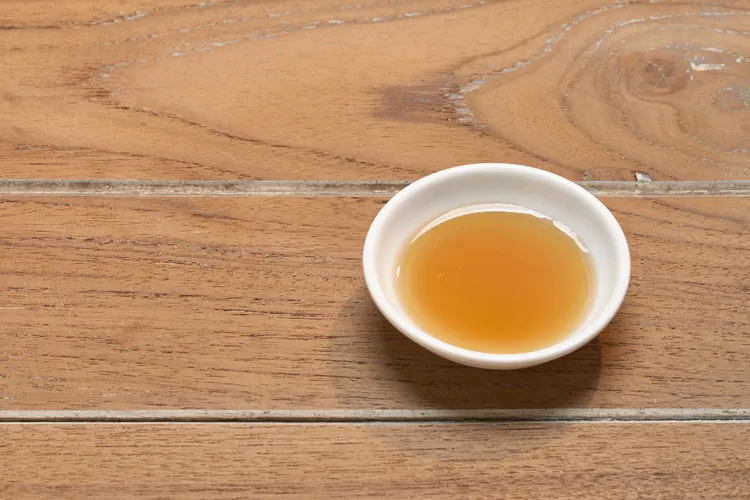
The strained liquid should be a deep amber colour, slightly sweet, and smell of toasted rye.
Add the raisins (if using), mint (if using), and ginger (if using) to the strained liquid.
Inoculation: Traditional kvass is fermented with wild yeast from the environment and from the bread itself. No starter is needed - the kvass will ferment spontaneously. For faster, more reliable fermentation, add:
- 1 tsp of active sourdough starter (if you have one - see Sourdough Starter from Scratch)
- Or a small pinch of commercial dried yeast (approximately ⅛ tsp) dissolved in a tablespoon of warm water
Neither addition is strictly necessary; spontaneous fermentation works well in warm kitchens. Both accelerate and ensure active fermentation.
Step 4: First fermentation (24-48 hours at room temperature)
Cover the jar or jug loosely (muslin, coffee filter, or loose lid) and leave at room temperature (20–24°C) for 24-48 hours.
What you'll see:
- After 12 hours: Small bubbles beginning to form. The smell shifts slightly - a faint yeasty note developing above the bread smell.
- After 24 hours: Clearly fizzy, with visible bubble activity. The smell is now distinctly fermented - yeasty, slightly tangy, reminiscent of a young beer.
- After 48 hours: More sour, more carbonated, more complex. The sweetness has reduced as the yeast consumes the sugar.
Taste at 24 and 36 hours to decide when to bottle. The ideal kvass is slightly sweet, slightly sour, clearly fizzy, and deeply flavoured from the rye. If bottled too early (at 12-18 hours) it will be sweet and mildly fermented. At 36-48 hours it is more assertively fermented and less sweet.
Step 5: Strain again and bottle
Strain the fermented kvass through a fine-mesh sieve to remove the raisins and herbs. Transfer to swing-top (Grolsch-style) bottles - the sealed bottles trap CO2 during a brief second fermentation, significantly increasing carbonation.
Second fermentation (optional but recommended): Leave the sealed bottles at room temperature for 6-12 hours, then move to the refrigerator. The sealed environment allows carbonation to build. Open carefully over a sink - kvass can be vigorously carbonated.
Step 6: Serve chilled
Kvass is served cold, from the refrigerator. It keeps for 5-7 days refrigerated - the fermentation continues slowly in the fridge, making it progressively more sour and less sweet over time.
The Flavour Profile and What Affects It
The bread: The single most important variable. Borodinsky rye (available at Russian and Eastern European grocery stores) produces the most authentic, complex kvass with a distinctive malty depth. Pumpernickel produces a similarly dark, deeply flavoured result. Standard wholemeal bread produces a milder, more neutral kvass. Sourdough bread produces a faintly more complex kvass because of its existing lactic acid character.
The toasting: More toasting (deeper colour) = more caramelisation = darker, maltier, slightly bitter kvass. Less toasting = lighter colour and flavour. The range from golden-brown to dark brown covers a significant flavour spectrum.
The fermentation time: Shorter (24 hours) = sweeter, gentler, less tangy. Longer (48 hours) = more sour, drier, more complex. Traditional kvass is fermented until pleasantly tangy; over-fermented kvass is very sour and best used in cooking.
The additions: Mint produces a cooling, refreshing version. Ginger adds warmth. Raisins accelerate fermentation and add a slight fruitiness. Fresh berries or fruit juice added to the second fermentation produce fruit kvass (beet kvass and berry kvass are popular regional variations).
Using Kvass Beyond Drinking
Traditional Eastern European cooking uses kvass not just as a drink but as an ingredient:
Okroshka (kvass cold soup): The most traditional kvass dish - a cold soup of chopped vegetables (radish, cucumber, spring onion, boiled potato), hard-boiled egg, and often meat (cold cuts or boiled beef), ladled with cold kvass and sour cream. The kvass's tang and fizz make a cold soup that is extraordinary on a hot summer day. It sounds strange; it is genuinely excellent.
Braised meat: Kvass as a braising liquid for pork or lamb produces a result with a subtle complexity - the tangy, slightly malty quality of kvass translating into the sauce. Use 50% kvass, 50% stock.
Marinades: Kvass as the acid component in a marinade for beef or pork - its mild acidity and enzymatic activity from residual yeast provides gentle tenderising.
Bread: Using kvass instead of water in a rye bread recipe produces a slightly more complex, more deeply flavoured bread - a virtuous cycle of bread producing kvass producing better bread.
Beet Kvass: The Variation Worth Knowing
Beet kvass - kvass made from fermented beetroot rather than bread - is a Ukrainian and Eastern European tradition with a striking deep purple-red colour and an earthy, sweet-sour flavour that is quite different from bread kvass.
Method: Cube 500g of raw beetroot (do not cook), place in a jar with 1 tsp of salt and enough water to cover. Leave at room temperature for 3-5 days, covered loosely. Strain. The result is a deeply coloured, tangy, earthy drink that is traditionally taken as a digestive shot (a small glass before meals).
Uses: As a concentrated natural food dye (for red velvet cakes, naturally coloured pasta, beet-coloured frosting), as a soup base for borscht, as a salad dressing component, or drunk straight as a digestive.
Pro Tips
- Use the darkest rye bread available. The depth of flavour in kvass correlates directly with the darkness and complexity of the bread. A good Borodinsky rye or pumpernickel produces a kvass that tastes genuinely rich and complex. Standard sliced bread produces a drink that is fine but uninspiring.
- Taste before bottling. The difference between 24-hour and 36-hour kvass is significant. Taste both stages and bottle when it reaches your preferred sweetness-to-tang balance.
- Swing-top bottles are essential for carbonation. Standard mason jar lids let the CO2 escape during second fermentation. The sealed swing-top creates the pressure that produces genuinely fizzy kvass.
- The raisins are worth adding. They accelerate fermentation noticeably (the wild yeast on the raisin surface adds to the fermentation capacity) and contribute a subtle fruitiness that rounds the flavour.
FAQ
Q: Is kvass alcoholic?
Very mildly - typically 0.5-1.5% alcohol by volume, comparable to water kefir and significantly less than beer. The alcohol content increases with longer fermentation. Traditional kvass was considered appropriate for children and was distributed freely to workers - the alcohol content is genuinely negligible.
Q: Can I use any bread, or does it have to be rye?
Any bread can be used - white, sourdough, multigrain. The result will be different. Rye bread produces the most complex, most characteristically kvass-like result because of its robust flavour, its natural slight sourness, and the specific sugars released during toasting. White bread produces a much milder, less interesting drink. Experiment with whatever dark, flavourful bread is available to you.
Q: My kvass is very sour and not fizzy after 48 hours. What went wrong?
The fermentation has run too long in a warm kitchen - the yeast have consumed most of the sugar before you bottled, leaving little fuel for the second ferment carbonation. Bottle at 24-36 hours in warm weather. You can add ½ tsp of sugar to each bottle before sealing to provide fuel for the second fermentation carbonation.
Q: How do I know when it's over-fermented?
It will taste very sour and quite flat - all the residual sugar consumed, carbonation reduced. It is still safe and still useful in cooking (okroshka, braising), but less pleasant as a drink. Reduce fermentation time in the next batch.
🔗 Continue Fermenting
Latest