Yogurt from Scratch: Better Than Any Shop-Bought Version
The gateway fermentation recipe - one that proves, immediately and deliciously, that homemade is better
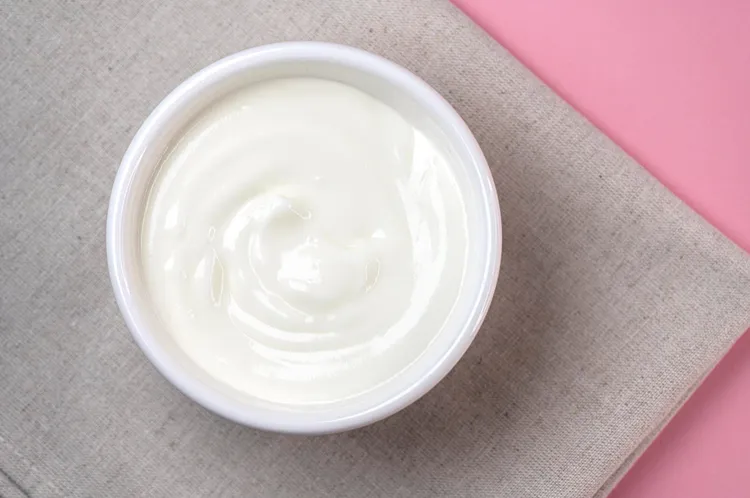
Yogurt is fermentation's most accessible gateway. It requires no specialist equipment beyond a thermometer. It takes 8 hours, almost all of which is completely passive. It uses two ingredients. And the result - thick, tangy, creamy, with a complexity that shop-bought yogurt almost never achieves - is immediately and unambiguously better than what you started with.
This is the recipe to make first if sauerkraut feels too unfamiliar, if kimchi feels too involved, if the whole idea of fermentation still seems slightly uncertain. Yogurt is fermentation you already know and trust - and making it yourself reveals how much better it can be than the version that comes in a plastic pot.
Once you have made yogurt once, you will have a perpetual culture: each batch begins with a spoonful of the previous one. That spoonful carries the living organisms that will transform the next litre of milk. And the next. The culture, maintained and fed, can theoretically last indefinitely - home fermenters keep yogurt cultures that are decades old, the same organisms passed from batch to batch across years.
This guide covers everything: the microbiology, the three methods of incubation (for those with and without specialist equipment), the Greek yogurt straining technique, troubleshooting, and the full range of uses for homemade yogurt in cooking.
📖 The science behind this recipe: Yogurt works because two specific bacterial strains - Streptococcus thermophilus and Lactobacillus bulgaricus - are thermophilic (heat-loving) and have a narrow optimal temperature range of 40-45°C. Below 38°C they are insufficiently active to set the milk; above 47°C they begin to die. Temperature management is the entire technique. Full science at The Science of Fermentation.
Why Homemade Yogurt Is Better
The comparison is not close. Homemade yogurt, made from full-fat milk with a spoonful of good live culture, produces a yogurt that is:
Thicker - full-fat milk produces a richer, more cohesive set than the semi-skimmed or skimmed milk used in most commercial yogurts. Commercial manufacturers add milk powder, starch, or pectin to compensate for the reduced fat content; homemade yogurt achieves its thickness through the natural action of the culture on full-fat milk.
More complex in flavour - commercial yogurt is typically cultured for 4-6 hours at industrial temperatures with a single commercial starter. Homemade yogurt cultured for 8-12 hours develops a deeper, more nuanced tang - more lactic acid character, more of the secondary flavour compounds that longer culturing produces.
Actually alive - many commercial yogurts are heat-treated after culturing to extend shelf life, which kills the live cultures. Even those labeled "live" may have been stored for long enough that culture count has declined significantly. Homemade yogurt eaten within a week of making contains the highest live culture count of any yogurt you will eat.
Dramatically cheaper - a litre of full-fat milk costs approximately £1. The starter culture for the first batch is a tablespoon of good-quality shop-bought live yogurt (approximately 10p worth of yogurt). Each subsequent batch costs only the milk. A litre of high-quality Greek yogurt from a supermarket costs £3-5. The economics improve dramatically with each batch.
Ingredients
Makes 1 litre | Active time: 10 minutes | Incubation: 8-12 hours
- 1 litre full-fat whole milk - the fat content determines the texture. Full-fat produces a thick, creamy yogurt. Semi-skimmed produces a thinner, less rich result. Skimmed produces a watery, thin yogurt that sets inadequately without added thickeners.
- 2 tbsp live, plain yogurt (as starter) - any good-quality plain yogurt with "live cultures" clearly stated on the label works for the first batch. Subsequent batches use your own yogurt as the starter.
For Greek yogurt: The same ingredients, plus a muslin cloth and a strainer for draining.
Optional for a thicker set: Adding 2 tbsp of full-fat milk powder to the milk before heating increases the protein content and produces a notably thicker yogurt without straining.
Equipment
Essential:
- Thermometer - an instant-read digital thermometer. This is non-negotiable. Temperature is the entire technique; guessing produces inconsistent results.
- Heavy-based saucepan - for heating the milk
- Wide-mouthed jar or bowl for incubation
Incubation options (choose one):
- Yogurt maker - thermostatically controlled, completely hands-off. The most consistent option.
- Oven with the light on - many ovens maintain 35-42°C with just the light on. Check with a thermometer before trusting.
- Thermos flask - pre-warmed with boiling water, then filled with the inoculated milk. Excellent insulation maintains temperature for 8+ hours.
- Instant Pot or slow cooker - the "yogurt" setting on an Instant Pot is purpose-built. A slow cooker can be used on its lowest setting with careful temperature monitoring.
- Wrapped in towels - the traditional method: wrap the jar in a thick blanket or several towels in a warm corner of the kitchen. Less precise but works well in warm kitchens.
Method
Step 1: Heat the milk (10 minutes)
Pour the milk into a heavy-based saucepan. Heat over medium heat, stirring occasionally to prevent a skin forming on the bottom, until the milk reaches 85°C.
Why 85°C? This temperature serves two purposes: it kills any competing bacteria that might otherwise out-compete the yogurt cultures during incubation; and it denatures the whey proteins (primarily beta-lactoglobulin), which, when denatured, bind to the casein proteins and contribute to a thicker, creamier set. This step is what separates properly made yogurt from the thin, watery result of simply warming milk to incubation temperature.
If you don't have a thermometer: bring the milk to just below a simmer - small bubbles forming on the bottom and edges, steam rising actively from the surface. Do not boil. Hold at this temperature for 2 minutes.
Step 2: Cool to incubation temperature (20-30 minutes)
Remove from heat and allow the milk to cool to 40-43°C - the optimal incubation temperature. Cooling takes 20-30 minutes at room temperature; speed it up by placing the pan in a sink of cold water and stirring.
Why this temperature window? Below 38°C: S. thermophilus and L. bulgaricus are insufficiently active to set the milk in the allotted time. Above 45°C: the cultures begin to die. The window is narrow - a thermometer makes this precise; guessing makes it inconsistent.
At 43°C, the milk should feel comfortably warm when a clean finger is dipped in - similar to a warm bath. Not hot, not cool.
Step 3: Inoculate (2 minutes)
Measure 2 tbsp of live starter yogurt into a small bowl. Add 3-4 tbsp of the cooled milk and whisk until completely smooth - this tempers the starter and ensures it distributes evenly through the milk rather than clumping.
Pour the tempered starter into the remaining cooled milk and whisk gently to combine. Do not whisk vigorously - aggressive agitation at this stage can denature some of the proteins you just created, slightly affecting the final texture.
Step 4: Incubate (8-12 hours)
Transfer the inoculated milk to your incubation vessel (jar, yogurt maker container, thermos). Maintain at 40-43°C for 8-12 hours undisturbed.
Undisturbed is important. Moving, shaking, or checking by stirring the yogurt during incubation disrupts the protein network that is slowly setting. Leave it completely alone.
Timing: 8 hours produces a milder, less tangy yogurt. 12 hours produces a more sour, more complex yogurt. For the first batch, 8-10 hours is the recommended starting point; adjust based on taste in subsequent batches.
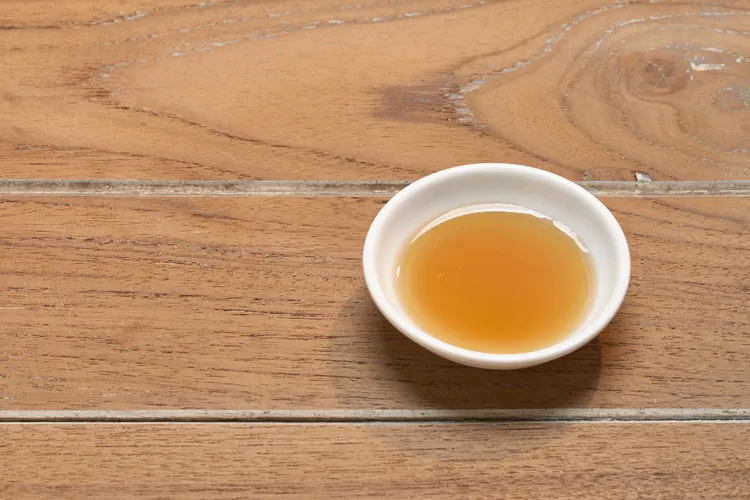
The visual test: After the incubation period, the yogurt should appear set - it will jiggle as a solid mass when the jar is gently tilted rather than flowing as a liquid. A small amount of clear, yellowish liquid (whey) pooling on the surface is normal and desirable.
Step 5: Refrigerate
Transfer the set yogurt to the refrigerator without stirring. Allow to chill for at least 2 hours before eating - chilling firms the set further and the flavour continues to develop in the cold.
Reserve your starter for the next batch: Before refrigerating, set aside 2 tbsp of the fresh yogurt in a small clean jar. Label it "starter" with the date. This is your culture for the next batch. It keeps in the fridge for up to 2 weeks; the sooner you use it as a starter, the more active the culture.
Making Greek Yogurt (Strained Yogurt)
Greek yogurt is simply yogurt with the liquid whey strained out - a process that concentrates the protein, thickens the texture, and intensifies the flavour. The same batch of yogurt becomes Greek yogurt with 2-4 additional hours of draining.
Equipment: A fine-mesh strainer or colander lined with muslin cloth (or a clean, lint-free tea towel), set over a bowl deep enough to catch the whey.
Method:
- After chilling, pour the set yogurt into the muslin-lined strainer.
- Fold the edges of the muslin over the top.
- Refrigerate and drain for 2 hours for a moderately thick Greek yogurt, or 4 hours for a very thick, almost spreadable result.
- The liquid that drains is whey - slightly yellowish, tangy, and full of protein. Do not discard it.
What to do with the whey:
- Add to smoothies (high in protein and probiotics)
- Use as the liquid in bread dough - it adds tang and protein
- Add to soups and stews instead of stock
- Use as a brine for lacto-fermentation (it's already slightly acidic and contains LAB)
- Drink it straight - tart, refreshing, and genuinely nutritious
Straining further: Drain for 12–24 hours and you have labneh - the Middle Eastern soft cheese that is the subject of its own recipe post. The same process, taken further, produces a firmer, cream-cheese-like product.
The Perpetual Culture: Building an Indefinite Yogurt Practice
The most sustainable way to make yogurt is not batch by batch with a fresh commercial starter each time - it is to maintain a perpetual culture, using each batch to start the next.
How it works:
- Make your first batch using 2 tbsp of a good commercial live yogurt as the starter.
- Before refrigerating, reserve 2 tbsp of the fresh yogurt as the starter for the next batch.
- Use this reserved yogurt as the starter for your next batch within 1-2 weeks.
- Reserve again. Repeat indefinitely.
The culture evolves: Over many batches, the culture adapts to your milk, your kitchen temperature, and the specific conditions of your fermentation practice. Long-maintained home yogurt cultures develop a character that is specific to your kitchen - a flavor that commercial yogurt cannot replicate.
When the culture weakens: After many batches, particularly if the fermentation time has been extended too long or the temperature has occasionally been too high, the culture may weaken - producing a thinner set or requiring longer incubation. Refresh by using a tablespoon of fresh commercial live yogurt alongside your existing starter for one batch. The fresh culture reinvigorates the existing one.
Freezing the culture: Reserve a portion of your strongest batch, freeze in an ice cube tray, and transfer to a zip-lock bag. Frozen yogurt starter keeps for 3 months. This is your backup culture - if your active starter ever fails, thaw a cube and restart.
Incubation Without a Yogurt Maker: The Detailed Guide
Oven with light on: Check the oven temperature with a thermometer before committing. Most ovens with just the light on maintain 35-45°C - ideal for yogurt. Place the inoculated jar on a folded tea towel (for insulation from the cold oven rack) and close the door. Check the temperature after 30 minutes; if it has dropped, switch the oven on for 30 seconds, then off again.
Thermos method: Pre-warm a wide-necked thermos with boiling water for 5 minutes, then discard the water. Pour in the inoculated milk immediately. Seal. The thermos maintains temperature for 8-10 hours without any further intervention. This is the most reliable no-equipment method.
Instant Pot: Use the Yogurt setting on Normal mode. Pour the inoculated milk directly into the Instant Pot inner pot. Set to 8 hours. The Instant Pot handles the entire incubation automatically - it is the most hands-off method available without a dedicated yogurt maker.
Warm water bath: Fill a large cooler or insulated bag with hot water (43-45°C). Place the sealed jar of inoculated milk inside. Close the cooler. The insulated water maintains temperature for the incubation period. Effective and requires no electrical equipment.
Flavouring and Serving
Plain homemade yogurt is excellent and versatile. It is also the foundation for:
Sweetened with honey and vanilla: The simplest version - a drizzle of honey and a few drops of vanilla over the finished yogurt. Better than any flavoured commercial yogurt.
Labneh: Drain for 12-24 hours until it reaches cream cheese consistency. Roll in olive oil and za'atar, or serve with vegetables and flatbread. Full recipe at Labneh: The Strained Yogurt That Becomes Cheese.
Tzatziki: Grated and squeezed cucumber, garlic, fresh dill, olive oil, lemon juice. The sauce behind Greek Souvlaki. Homemade yogurt produces a significantly better tzatziki than commercial - the tang and thickness are right in a way that commercial yogurt rarely achieves.
Raita: With chaat masala, roasted cumin, cucumber, and fresh herbs. The cooling condiment for Pani Puri and any spiced South Asian dish. See the Chaat Masala guide for the raita recipe.
In baking: Yogurt as a liquid ingredient in cakes, muffins, and quick breads adds tenderness (the acid reacts with baking soda) and a slight tang that makes baked goods more interesting. Matcha Smoothie Bowl Muffins use yogurt for exactly this reason.
As a marinade: Yogurt-based marinades - the basis of tandoori preparations and most South Asian grilled meats - tenderise proteins more effectively than acid marinades because the enzymes in yogurt, rather than the acid, do the tenderising work. The result is tender meat without the texture-degrading effect of citrus or vinegar.
Pro Tips
- Full-fat milk, always. The difference between full-fat and semi-skimmed yogurt is not marginal - it is the difference between a thick, creamy set and a thin, watery one. Full-fat is not negotiable for good results.
- The thermometer earns its cost in the first batch. Without a thermometer, the inoculation temperature is guesswork. Too hot and you kill the culture; too cool and the yogurt doesn't set properly. A £10 thermometer removes this variable permanently.
- Don't move it during incubation. The protein network that forms during incubation is delicate. Stirring, tasting, or moving the vessel during incubation disrupts the setting process and produces a thin, runny yogurt. Set it and leave it alone for the full incubation period.
- Longer incubation = more sour. If your yogurt is too mild, extend the incubation time by 1-2 hours in the next batch. If too sour, reduce by 1-2 hours. The culture, temperature, and time together determine the final flavour.
- Start your next batch before you run out. Maintain the perpetual culture by reserving your starter the moment the yogurt is made - before any is eaten. The habit of reserving first ensures you never run out of culture.
Common Mistake: Adding the Starter to Milk That's Too Hot The most common reason yogurt fails to set is adding the starter culture to milk that is still above 45°C. At this temperature, the starter cultures - S. thermophilus and L. bulgaricus - begin to die. The milk then incubates with a dead or severely depleted culture and doesn't set. Check the temperature carefully before adding the starter. If in doubt, let the milk cool for another 5 minutes and check again. A thermometer makes this foolproof.
FAQ
Q: My yogurt didn't set - it's still liquid after 10 hours. What went wrong?
Three most common causes: (1) The milk was too hot when the starter was added - above 45°C kills the cultures. (2) The incubation temperature dropped too low - below 38°C, the cultures are insufficiently active. (3) The starter yogurt was old or had lost its live culture activity - use a fresh tub of commercial live yogurt for the first batch.
Q: Can I use non-dairy milk to make yogurt?
Yes - oat milk, coconut milk, and soy milk all work with yogurt cultures. Soy milk produces the most reliable non-dairy yogurt because its protein content is close to cow's milk. Oat milk tends to produce a thinner result unless thickened with starch. Coconut milk produces a rich, slightly sweet yogurt. Non-dairy yogurts may need a slightly longer incubation time and a non-dairy starter culture (available from specialist fermentation suppliers).
Q: How long does homemade yogurt keep?
2–3 weeks refrigerated, in a sealed container. Homemade yogurt has a slightly shorter shelf life than commercial yogurt because it lacks the additives and preservatives of commercial products. The flavour continues to develop in the fridge over the first week - Day 7 yogurt is often more complex and interesting than Day 1.
Q: Can I make flavoured yogurt at home?
Yes - but add flavourings after incubation, not before. Adding fruit, honey, or flavourings to the milk before incubation introduces additional sugars and compounds that interfere with the setting process. Stir in honey, fruit compote, or vanilla after the yogurt has set and chilled.
Q: Is the yellowish liquid on top of my yogurt normal?
Yes - this is whey separating from the curd, which happens naturally in all yogurt. Stir it back in (it contains protein and probiotics), strain it out to make Greek yogurt, or pour it off and use it in cooking. All three are correct.
🔗 Use Your Yogurt
- Labneh: The Strained Yogurt That Becomes Cheese
- How to Make Kimchi: The Complete Beginner's Guide
- Sauerkraut: The Easiest Ferment You'll Ever Make
- Milk Kefir: Thicker Than Yogurt, Better for Your Gut
- The Street Food Sauce Bible - Tzatziki, Raita
- The Gut Health Connection: What Fermented Foods Actually Do
- Fermentation & Gut Health at Home: The Ultimate Guide
Latest