Cookie Science: Chewy, Crispy, or Cakey - How to Bake the One You Want
Five variables. Three textures. One guide that puts you in complete control of every batch you bake.
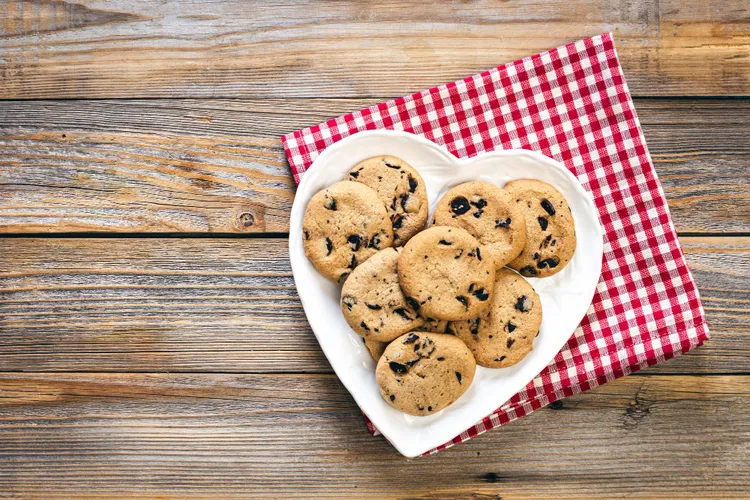
The chocolate chip cookie has been the subject of more culinary obsession, more careful recipe testing, and more precise scientific analysis than almost any other baked good. Serious baking writers have spent years testing every variable. Professional pastry chefs have written treatises on the subject. And the reason for this disproportionate attention is simple: the chocolate chip cookie is extraordinarily sensitive to its variables. Change the butter state, the sugar ratio, or the baking temperature, and you get a detectably different cookie - not just in flavour, but in texture, spread, colour, and character.
This is not a disadvantage. It is an invitation. Once you understand what each variable does, the chocolate chip cookie becomes the most controllable bake in your repertoire. You are not following a recipe and hoping for the best. You are making deliberate decisions and producing a predictable result.
The Five Variables That Control Cookie Texture
Variable 1: Butter State
This is the single most powerful texture dial.
Melted butter: The fat coats the flour more completely in liquid form, inhibiting gluten development significantly. Cookies made with melted butter spread more during baking (the fat is already liquid; it flows before the proteins set), producing wider, thinner cookies with a chewier, denser interior. Melted butter also produces a more intense butter flavour because the milk solids are more available to brown.
Browned butter (the recommended state): The same as melted, with the additional Maillard browning of the milk solids. Produces all the textural effects of melted butter with a dramatically deeper, nuttier, butterscotch-adjacent flavour. The single biggest flavour upgrade in cookie baking.
Room-temperature (creamed) butter: Creaming aerates the fat, incorporating air that leavens the cookie slightly and produces a cakey, taller, more cake-like texture. Less spread, more rise, softer interior.
Cold butter: Cold fat takes longer to melt in the oven, limiting spread. Cold-butter cookies are thicker, with a more biscuit-like texture. Used in shortbread and some crispy cookie applications.
This recipe's choice: Browned butter. Maximum flavour, chewy texture, clear winner.
Variable 2: Sugar Ratio
Brown sugar and white sugar are not simply different flavours of the same sweetness - they produce measurably different textures.
Brown sugar contains molasses: a humectant (moisture-attracting) ingredient that keeps cookies moist and chewy. Brown sugar also has a slightly acidic pH, which slows the Maillard reaction and produces a chewier texture.
White sugar is hygroscopic but not humectant - it draws in moisture during baking but doesn't retain it as effectively. White sugar promotes spreading (it melts to a liquid during baking, pushing the cookie outward) and crispiness.
More brown sugar = chewier, moister, more flavourful cookie. More white sugar = crispier, thinner, more spread.
This recipe uses 180g brown to 80g white - heavily weighted toward brown, producing maximum chewiness and flavour.
Variable 3: Flour Type and Quantity
More flour = less spread, more cake-like texture. Less flour = more spread, crispier edges, chewier centre.
Bread flour (higher protein) develops more gluten, producing a chewier cookie. Plain/all-purpose flour (medium protein) produces the standard result. Cake flour (lower protein) produces a more tender, cakey cookie.
This recipe uses plain flour in a measured quantity - enough to provide structure without making the cookie cakey.
Variable 4: Eggs and Egg Components
Whole eggs contribute both protein (structure, from the white) and fat (richness, from the yolk). Adding extra yolks produces a richer, more flavourful, chewier cookie. Adding extra whites produces a drier, more structured cookie.
This recipe: 1 whole egg + 1 additional yolk. The extra yolk adds richness and chew without the drying effect of an extra white.
Variable 5: Chilling the Dough
Chilling the dough before baking is the variable most often skipped and most impactful per unit of effort.
What chilling does:
- The flour fully hydrates during refrigeration, producing a more developed flavour
- Yeast fermentation (minimal in cookies, but present) produces small amounts of organic acids and esters that add complexity
- The fat solidifies, producing less spread and more height
- The Maillard reaction in a cold, slowly warming dough produces more complex colour and flavour than an unchilled dough
The recommendation: Chill the dough for at least 30 minutes, ideally 24-72 hours. The 72-hour dough produces a noticeably more complex flavour - the specific toffee-like depth that distinguishes great chocolate chip cookies from good ones. This is the technique behind the cookies at many famous bakeries.
The Definitive Chewy Cookie Recipe
Makes 18-20 cookies | Active time: 20 minutes | Chilling: 30 minutes minimum (24 hours preferred)
Ingredients
- 225g unsalted butter, browned and cooled to room temperature
- 180g soft light brown sugar
- 80g caster sugar
- 1 large egg + 1 egg yolk, both at room temperature
- 2 tsp vanilla extract
- 280g plain flour
- 1 tsp baking soda
- 1 tsp fine sea salt - essential; undersalted cookies taste flat and sweet rather than complex
- 300g chocolate - a mix: 200g dark chocolate (70%) roughly chopped + 100g milk chocolate chips. Chopped chocolate produces jagged pieces that melt unevenly - large pools and small chips throughout - which is better than uniform chips.
Method
Step 1 - Brown the butter (5 minutes): Melt the butter in a light-coloured saucepan over medium heat. Continue cooking, stirring occasionally, past the foaming stage until the milk solids turn amber and the butter smells nutty (4-5 minutes from melting). Pour into a large mixing bowl, including the brown bits. Cool until just warm to the touch.
Step 2 - Combine fats and sugars (2 minutes): Whisk both sugars into the cooled browned butter until fully combined. The mixture will be thick and grainy - the sugar doesn't fully dissolve at this stage.
Step 3 - Add eggs and vanilla (1 minute): Add the egg and egg yolk to the butter-sugar mixture. Whisk vigorously for 60 seconds until the mixture lightens in colour slightly and becomes cohesive and glossy. Add vanilla and whisk to combine.
Step 4 - Add dry ingredients (1 minute): Sift in the flour, baking soda, and salt. Fold with a spatula until just combined - no visible flour streaks remain. The dough will be thick.
Step 5 - Add chocolate (30 seconds): Add the chopped chocolate and chips. Fold through with 3-4 strokes.
Step 6 - Chill: Cover the bowl and refrigerate for a minimum of 30 minutes. For the best result: refrigerate for 24-72 hours.
Step 7 - Portion and bake: Preheat the oven to 190°C (fan). Line baking sheets with parchment.
Portion the dough using a large ice cream scoop or two spoons - approximately 60g per cookie, rolled loosely into a ball. Place 6 per baking sheet (they spread significantly).
For extra-tall, crinkled cookies: Flatten the dough ball slightly, then tear it in half and press the torn sides together facing upward before placing on the sheet. The jagged, rough surface produces more surface area for browning and a more dramatic crinkled appearance.
Bake for 10-12 minutes until the edges are golden and the centres look underdone - slightly shiny and not fully set. They will continue to cook on the hot baking sheet. For chewy cookies, underbaked is correct.
Step 8 - Rest on the sheet: Leave the cookies on the baking sheet for 5 minutes before transferring to a wire rack. The residual heat of the sheet continues cooking the bottom of the cookie; moving them immediately produces cookies that are too soft and collapse. After 5 minutes, they are structurally set but still warm and yielding inside.
The Two Variations: Crispy and Cakey
The Crispy Cookie
- Changes: Use all white sugar (260g); use room-temperature (not browned) butter creamed for 5 minutes; reduce flour to 250g; bake at 175°C for 14-16 minutes until the entire surface is golden (not just the edges).
- Result: Thin, spread wide, crispy throughout with a slightly caramelised flavour. Best served the day they are made; they soften overnight.
The Cakey Cookie
- Changes: Cream room-temperature butter with both sugars for 5 minutes until pale and fluffy; use 2 whole eggs (no extra yolk); increase flour to 310g; add ¼ tsp baking powder alongside the baking soda; bake at 200°C for 9-10 minutes.
- Result: Thick, domed, soft throughout, cake-like texture. The closest to a bakery-style soft cookie.
The Chocolate Strategy
The choice of chocolate matters more in cookies than in any other bake, because the chocolate is uncooked - it melts during baking and resolidifies as the cookie cools. The quality of the chocolate is directly experienced, unmediated by batter or sauce.
Bar chocolate vs. chips: Pre-formed chocolate chips contain less cocoa butter than bar chocolate and are formulated to hold their shape during baking (they "chip" when bitten rather than melting into pools). Bar chocolate broken into irregular pieces melts completely during baking, producing glossy, flowing chocolate throughout the cookie. The combination - chopped bar chocolate plus some chips - provides both pools and structure.
Percentage: 70% dark chocolate provides bitterness and complexity that balances the cookie's sweetness. Below 60% and the chocolate-to-sugar balance shifts toward cloyingly sweet. Above 85% and the cookie needs more sugar to compensate for the chocolate's bitterness.
Milk chocolate addition: 30-40% milk chocolate alongside the dark creates textural and flavour contrast - the milk chocolate pockets are sweeter and creamier than the dark chocolate pools. Many of the best-regarded chocolate chip cookies use a blend.
Storing and Freezing
Baked cookies: Room temperature in a sealed container with a slice of bread (the bread donates moisture to the cookies). 4-5 days at peak quality, up to a week acceptable.
Unbaked dough balls: Freeze on a baking sheet, then transfer to a sealed bag. Bake from frozen - add 2-3 minutes to the baking time. Having frozen cookie dough balls available produces fresh cookies in 15 minutes whenever needed. One of the most practically useful things to have in a freezer.
Pro Tips
- Brown the butter, always. The flavour difference between melted butter and browned butter in this recipe is not subtle. Brown the butter every time.
- Don't skip the extra yolk. The additional fat and richness of the extra yolk is part of the recipe's calibration for chewiness. Two whole eggs produces a slightly drier, more cakey result.
- Chill for 24 hours when possible. The flavour of a cookie baked from a 24-hour-chilled dough is noticeably more complex than one baked immediately. Make the dough the night before; bake in the morning.
- Underbake by conventional standards. The centre of a chewy cookie should look underdone when it comes out of the oven - slightly shiny, not fully set. The residual heat of the sheet and the cooling process complete the baking. Cookies that look done in the oven are overdone once cooled.
Common Mistake: Baking Until the Whole Cookie Is Golden A chewy chocolate chip cookie baked until the entire surface is golden is a crispy cookie. The chewy version requires the edges to be golden and the centre to still look slightly underdone - shiny and not fully set - when removed from the oven. The residual heat of the baking sheet continues cooking the bottom for the 5 minutes the cookie rests on it; the carried-over heat from the cookie itself continues cooking the interior. Pull them early. Every time.
FAQ
Q: Why did my cookies spread completely flat?
Too much butter (measure by weight), butter too warm when the dough was formed, or the dough wasn't chilled before baking. If using browned butter, ensure it has cooled to just warm before combining with sugar. If dough is too soft, chill for 30 minutes before portioning.
Q: My cookies came out puffy and didn't spread. What went wrong?
Too much flour (always weigh, don't use cup measurements), butter was creamed rather than melted/browned (creamed butter incorporates air that leavens and lifts rather than allowing spread), or the baking soda was old (test by adding ½ tsp to hot water - it should bubble immediately).
Q: Can I use salted butter?
Yes - reduce the added salt to ½ tsp. Salted butter produces a slightly less precisely seasoned result (the salt is distributed unevenly through the fat rather than mixed precisely through the dough), but the difference is minor.
🔗 Continue Baking
Latest