How to Tell When Your Bread Dough Has Proofed Enough
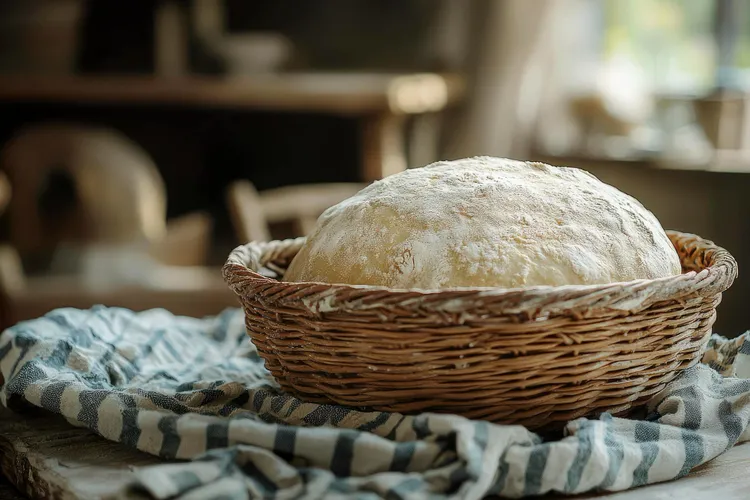
Here's what no one tells you when you start baking bread: the recipe's time estimate is a suggestion, not a contract. "Let rise for 1-2 hours" means almost nothing without knowing your kitchen temperature, yeast activity, and dough hydration.
The real skill in bread proofing isn't watching a clock - it's learning to read your dough. And once you know what to look for, you'll never be left guessing again.
This guide covers every sign that tells you when bread dough is properly proofed, under-proofed, or over-proofed - and what to do about each one.
Why Proofing Time Matters So Much
Proofing (also called fermentation or rising) is the period when yeast feeds on sugars in the flour and produces carbon dioxide gas. That gas inflates the dough, creating the open, airy crumb structure of well-made bread.
Too little time (under-proofed) and the loaf won't have developed enough gas. It'll be dense and may burst irregularly in the oven.
Too much time (over-proofed) and the gluten structure weakens from exhausted yeast. The loaf can collapse, spread sideways, or bake flat with a gummy texture.
The sweet spot - fully proofed dough - is when maximum gas has been produced without compromising the gluten network. That's what we're looking for.
This is one of the key skills covered in our Complete Beginner's Guide to Baking Bread - mastering it will improve every loaf you bake.
The Two Proofing Stages (And Why They're Different)
Most bread recipes involve two proofing stages:
1. Bulk Fermentation (First Rise) The whole mass of dough rises in a bowl after kneading. Goal: roughly double in size. Time: typically 1-3 hours.
2. Final Proof (Second Rise) After shaping, the loaf proofs one more time in its pan or on a baking sheet. Goal: the dough looks puffy and slightly relaxed into its shape. Time: typically 45-90 minutes.
Both stages have different visual and tactile cues, though the most reliable test - the poke test - applies to both.
The Poke Test: The Most Reliable Method
Also called the finger dent test, this is the baker's go-to for checking the final proof:
- Lightly flour your fingertip
- Gently poke the shaped dough about ½ inch deep
- Watch how the dough responds
Under-proofed: The indent springs back immediately and completely. The dough feels tight and resistant. It needs more time.
Perfectly proofed: The indent springs back slowly and only about halfway. The dough feels pillowy and light.
Over-proofed: The indent barely springs back or stays completely. The dough feels fragile and may deflate slightly when poked.
Tip: Practice this test even before you think the dough is ready. Feeling the difference between tight, under-proofed dough and soft, pillow-like proofed dough is tactile knowledge that sticks with you permanently.
Visual Signs of Properly Proofed Dough
During Bulk Fermentation
- Volume: The dough has roughly doubled in size
- Surface: Looks domed and slightly rounded on top (not flat)
- Texture: Bubbles visible on the surface and sides of the bowl
- Feel: When you jiggle the bowl, the dough wobbles - it's full of gas
During Final Proof (In the Pan)
- Height: The dough has risen to about 1 inch above the rim of a loaf pan
- Shape: It looks noticeably puffier and more relaxed than when you first shaped it
- Surface: Smooth and slightly rounded - not shiny or taut
The Float Test for Sourdough Starters
If you're working with sourdough, the float test checks starter readiness (not the dough itself):
Drop a small spoonful of starter into a glass of water. If it floats, it's active enough to leaven bread. If it sinks, it needs more time to ferment.
Note: this test isn't perfect - overripe starters can sometimes float. Use it as one signal among several.
Understanding Over-Proofing vs. Under-Proofing
Under-Proofed Bread: Signs and Fixes
In the dough:
- Tight, dense feel
- Doesn't spring back slowly - snaps back fast
- Less than doubled in bulk fermentation
In the baked loaf:
- Dense crumb with uneven, closed bubbles
- Large irregular air pockets (the crust burst from oven spring)
- Pale, thick crust
- The top may split along the sides rather than the scored line
Fix: Simply give it more time. If your dough seems to be refusing to rise, check your room temperature and consider moving it somewhere warmer.
Over-Proofed Bread: Signs and Fixes
In the dough:
- Soft, almost floppy feel
- Smells very yeasty or slightly alcoholic
- Surface covered in large bubbles
In the baked loaf:
- Flat, spreading shape
- Dense, gummy crumb
- Pale crust that didn't develop properly
- Sour, overly yeasty flavor
Fix for over-proofed dough: Gently reshape it, pressing out the excess gas, and do a shortened second proof. The gluten has weakened, so it won't be perfect - but it can still be edible.
For a full troubleshooting guide, see: Why Did My Bread Not Rise? 7 Reasons and Easy Fixes
Temperature's Effect on Proofing Time
Proofing time is directly related to temperature:
| Temperature | Typical Bulk Fermentation Time |
|---|---|
| 65°F (18°C) | 3-4 hours |
| 70°F (21°C) | 2-3 hours |
| 75°F (24°C) | 1.5-2 hours |
| 80°F (27°C) | 1-1.5 hours |
| Refrigerator (38°F / 3°C) | 8-16 hours |
Cold proofing in the refrigerator (called cold retarding) is a powerful technique - it slows fermentation dramatically while developing significantly more flavor. Many artisan bakers shape their loaves and refrigerate them overnight for baking the next morning.
Common Mistakes With Bread Proofing
Mistake 1: Judging by time instead of appearance. A 70°F kitchen and a 60°F kitchen produce very different rise times from the same recipe. Trust your eyes and the poke test over the clock.
Mistake 2: Proofing in an environment that's too warm. Setting dough directly on a hot oven or in a spot above 85°F (29°C) can over-ferment the outside of the dough while the interior catches up unevenly. Aim for gentle warmth.
Frequently Asked Questions
Q: Can I proof bread dough overnight at room temperature? It depends on your yeast amount and kitchen temperature. With a very small amount of yeast (like in our No-Knead Overnight Bread recipe), yes. With a full teaspoon of yeast, overnight room temperature proofing will almost certainly over-ferment the dough. Use the fridge instead.
Q: What happens if I bake under-proofed bread? It won't be terrible - just denser than ideal, with a more closed crumb. The oven spring will be more dramatic (sometimes producing a burst crust along the side). Next time, let it go a bit longer.
Q: My dough doubled in 45 minutes - is that too fast? Possibly. Very fast rising can mean too much yeast, too warm an environment, or very active yeast. Fast rises don't allow enough time for flavor development. Try reducing yeast by 25% or proofing at a cooler temperature next time.
Q: Does the same poke test work for pizza dough? Yes - pizza dough is proofed the same way. After the final rest, poke it gently. Slow, partial spring-back means it's ready to stretch and top.
Read the Dough, Not the Clock
Proofing is where many beginners get caught - waiting the prescribed time without watching their dough, then wondering why the results vary from bake to bake.
Start paying attention to your dough. Check it at the 45-minute mark. Feel it with the poke test. Watch the volume change. This attentiveness is what separates a baker who gets consistent results from one who hopes for the best.
Head back to our Complete Beginner's Guide to Baking Bread to see how proofing fits into the full process - or try the No-Knead Overnight Bread for a very different (and forgiving) approach to fermentation.
More from the Beginner's Bread Series:
Latest