Why Did My Bread Not Rise? 7 Reasons and Easy Fixes
You followed the recipe. You waited. You checked. And your dough just... sits there, looking exactly the same as when you left it. We've all been there.
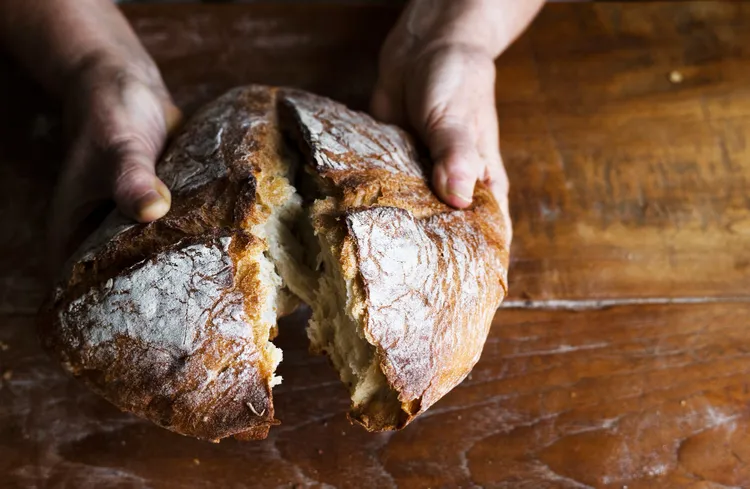
A bread dough that won't rise is one of the most common (and most frustrating) problems beginner bakers face. The good news: it almost always comes down to one of a handful of fixable causes. Understanding why bread dough doesn't rise is the first step to making sure it never happens again.
Here are the 7 most common culprits - and exactly how to fix them.
1. Your Yeast Is Dead
This is the most common reason bread doesn't rise. Yeast is a living organism, and it can die from age, improper storage, or exposure to heat.
Signs: No bubbling, no puffing, no activity - even after an hour.
The Fix: Always check your yeast before committing to a full batch of dough. Dissolve it in warm water (100-110°F / 38-43°C) with a pinch of sugar and wait 10 minutes. If it doesn't foam, throw it out and start fresh.
Store opened yeast in the refrigerator or freezer in an airtight container. It keeps for up to 4 months in the fridge and a year in the freezer.
Not sure what type of yeast to buy? Read our breakdown: Active Dry vs. Instant Yeast: What's the Difference?
2. Your Water Was Too Hot (Or Too Cold)
Water temperature is yeast's best friend or worst enemy. The sweet spot is narrow:
- Below 90°F (32°C): Yeast activates too slowly or barely at all
- 100-110°F (38-43°C): Ideal activation range
- Above 120°F (49°C): Yeast starts dying
- Above 140°F (60°C): Yeast is completely killed
The Fix: Use a thermometer. It's the single most useful $5 tool in bread baking. No thermometer? Water should feel comfortably warm on your wrist - not hot, not cool.
Tip: If you're ever unsure, go cooler rather than hotter. Slightly cool water means a slower rise, but slow fermentation actually improves flavor. Hot water means dead yeast and no rise at all.
3. The Room Is Too Cold
Yeast is sluggish in cool environments. If your kitchen is below 68°F (20°C), don't expect a typical 1-2 hour rise time. In a cold kitchen, the same dough might take 3-4 hours to double.
The Fix: Create a warm proofing environment. Options:
- Preheat your oven to the lowest setting, turn it off, then place the covered dough inside
- Set the bowl on top of the fridge (warm air rises from the motor)
- Place the dough bowl over a bowl of warm water
- Use your oven's dedicated "proof" setting if it has one
Target temperature: 75-80°F (24-27°C) for bulk fermentation.
4. You Added Too Much Salt (Or Salt Killed the Yeast)
Salt is essential in bread - but in high concentrations, it dehydrates and inhibits yeast cells.
The Fix: Never add salt directly onto yeast, especially in layered mixing. Keep them on opposite sides of your mixing bowl until you start combining. Use the correct amount - the standard ratio is 1.8-2% of flour weight (about 9g per 500g flour).
5. The Dough Was Too Stiff
Over-flouring your dough creates a dense mass that yeast struggles to lift. This is incredibly common because beginners instinctively add flour to tame sticky dough during kneading.
The Fix: Trust the stickiness. Most bread doughs at 65% hydration will feel tacky - that's correct. Only add flour if the dough is genuinely impossible to work with. A properly hydrated dough will still spring back nicely and produce a much better loaf.
For more on this, see our guide: How to Knead Bread Dough Properly
6. The Yeast Was Old or Improperly Stored
Yeast packets have expiration dates for a reason. Even sealed packets lose potency over time, especially if stored in a warm cupboard.
The Fix: Check the expiration date. Store yeast in a cool, dark place - ideally the freezer for long-term storage. When in doubt, proof it (see Reason 1) before using.
7. You Didn't Give It Enough Time
Impatience is underrated as a bread problem. Recipes give time ranges for a reason - "double in size" is the goal, not a specific clock time. Depending on yeast activity, hydration, room temperature, and flour type, dough can take anywhere from 1 hour to 3+ hours to complete its first rise.
The Fix: Judge by appearance and feel, not the clock. Properly proofed dough:
- Has doubled (or nearly doubled) in volume
- Looks domed and puffy on top
- Feels light and slightly jiggly when you shake the bowl
- Springs back slowly when poked (if it springs back quickly, it needs more time; if the indent stays, it's over-proofed)
Need help reading the signs? See our full guide: How to Tell When Your Bread Dough Has Proofed Enough
What to Do If Your Dough Still Isn't Rising
If you've waited 2+ hours with zero rise, the yeast is almost certainly the problem. Here's your rescue attempt:
- Dissolve 1 teaspoon of fresh yeast in ¼ cup warm water
- Add it to your flat dough and knead it in
- Re-cover and wait 45-60 minutes
This doesn't always work - especially if the dough has been sitting long enough to start developing off-flavors - but it's worth trying before discarding everything.
Common Mistakes That Lead to No-Rise Bread
Mistake 1: Not checking yeast freshness before baking. This is a 10-minute prevention that eliminates the most common reason bread fails.
Mistake 2: Using water straight from the hot tap. Tap hot water can easily exceed 120°F. Always measure temperature or mix hot and cold to achieve the right range.
Frequently Asked Questions
Q: Can over-proofed dough be saved? Sometimes. If the dough has over-proofed (risen too much), gently punch it down, reshape it, and do a shorter second proof. The gluten may be weakened but the bread can still be edible - just denser.
Q: Does altitude affect bread rising? Yes. At high altitudes (above 3,500 feet), lower atmospheric pressure causes dough to rise faster and can lead to over-proofing and collapsed loaves. Use slightly less yeast (about 25% less) and watch your dough more carefully.
Q: Why does my bread rise in the oven but not before? This could be under-proofing - the dough still has active yeast but hasn't developed enough gas before baking. The oven heat causes a final burst (oven spring). A small amount of this is desirable; a large oven spring usually means you should have let it proof longer at room temperature.
Q: My dough rose beautifully but collapsed - what happened? Over-proofing. The gluten structure weakened from too much gas production and couldn't hold itself up. Next time, reduce proofing time or proof at a cooler temperature.
Q: Can I bake bread that didn't rise? You can, but the result will be very dense and potentially gummy. It's worth understanding what went wrong (usually dead yeast) and starting fresh rather than baking an unsatisfying loaf.
Don't Let One Flat Loaf Stop You
Every experienced baker has a bread disaster story - usually involving dead yeast and a dough that looked like cement. It's a rite of passage, not a signal to give up.
Go back to the basics in our Complete Beginner's Guide to Baking Bread, nail the fundamentals, and your next loaf will be completely different.
And when it works - when that dome crests above the pan and your kitchen fills with that smell - it makes every failed loaf worth it.
More from the Beginner's Bread Series:
Latest