Knife Skills: The 5 Cuts Every Cook Needs
The five cuts that appear in more recipes than any others - each explained with the technique, the applications, and the order to learn them
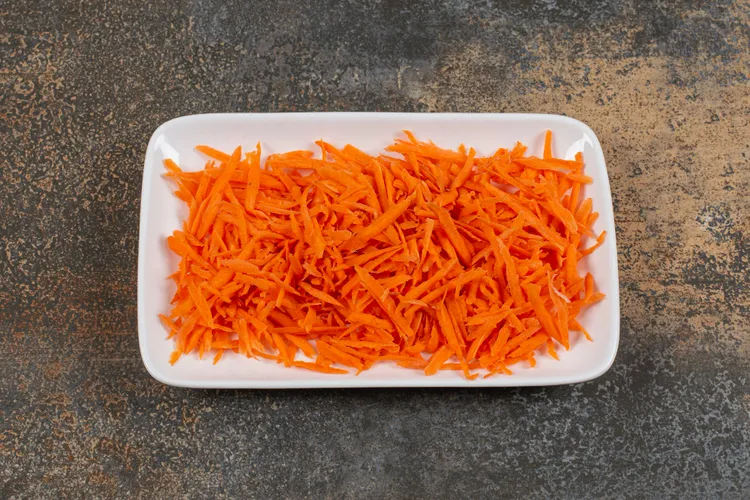
Most recipe instructions assume knife skills. "Julienne the carrots." "Brunoise the shallot." "Chiffonade the basil." These instructions presuppose a vocabulary and a technique that most home cooks have never been formally taught. The result: either the instruction is ignored and a rough chop is substituted, or the recipe is abandoned as too technical.
Neither is necessary. These five cuts are learnable in an afternoon of deliberate practice, and each one unlocks a specific range of preparations that rough chopping cannot replicate - not because of aesthetics, but because consistent cut size determines consistent cooking. A 2mm brunoise of shallot cooks and caramelises in 2 minutes; a random rough chop of the same shallot produces some pieces that burn and some that are still raw in the same 2 minutes.
This guide covers the five cuts in the order recommended for learning, with the technique, applications, and the one rule that applies to all of them: the guiding hand in the claw position throughout. See How to Use a Chef's Knife for the claw and pinch grip technique before starting.
The Learning Order
1. Medium dice → 2. Small dice → 3. Batonnet → 4. Julienne → 5. Brunoise + Chiffonade
Each later cut builds on an earlier one. The batonnet is the intermediate step between a medium dice and a julienne; brunoise comes directly from julienne. Learning in this sequence means each technique reinforces the previous one.
Cut 1: The Standard Dice
The most used cut in home cooking. "Dice an onion," "dice the carrots," "dice the celery" - the standard dice is the daily workhorse.
What it is: A cube with equal-length sides, produced by three sets of cuts at right angles to each other.
The three sizes:
- Large dice: 2cm cubes - slow braises, roasted vegetables, stews where texture is wanted
- Medium dice: 1-1.5cm cubes - the most common "diced vegetable" in recipes
- Small dice (diced fine): 5-6mm cubes - aromatics for sautéeing, preparations where the onion or carrot should disappear into the dish
The technique:
For a rectangular vegetable (carrot, potato, celery root):
- Trim to a rectangular block - cut away curved surfaces to produce flat faces on all four sides
- Slice into planks of the desired dice thickness (1.5cm for medium dice, 5-6mm for small dice)
- Stack the planks (2-3 at a time) and cut into batons of the same width
- Cut across the batons to produce cubes
For a spherical vegetable (onion) - see How to Dice an Onion for the root-intact technique.
Applications: Everything. The medium dice is the onion in every braise, the carrot and celery in every soup base, the potato in every home fries preparation.
Cut 2: Batonnet
What it is: Sticks with a square cross-section, approximately 6mm × 6mm × 6-7cm long. Larger than julienne, smaller than rough batons for crudités.
The technique:
- Trim the vegetable to a rectangular block
- Slice into 6mm planks
- Stack 2-3 planks and slice into 6mm × 6mm sticks, 6-7cm long
The precision: The 6mm × 6mm cross-section is what makes this batonnet rather than a larger rough stick. A ruler the first few times is not embarrassing - it teaches the correct visual reference.
Applications:
- French fries / chips (the batonnet is the classic chip shape)
- Crudités for dipping
- Stir-fry vegetables (batonnet carrots, courgette, bell pepper cook evenly together)
- Ratatouille (the classic preparation uses batonnet to ensure even cooking)
The relationship to other cuts: Batonnet is the foundation of the standard dice (cut the batonnet across the width to produce a medium dice) and the foundation of julienne (cut to a thinner cross-section).
Cut 3: Julienne
What it is: Very thin matchstick cuts - 2-3mm × 2-3mm × 5-6cm long. Often described as "matchsticks."
The technique:
- Trim the vegetable to a rectangular block
- Slice into 2-3mm planks - this requires control and a sharp knife; thicker planks produce thick julienne
- Stack 3-4 planks (keep the stack stable with the claw)
- Slice across the stack into 2-3mm matchsticks
The precision challenge: Consistent 2-3mm plank thickness is the hardest part of julienne. A mandoline slicer produces perfectly consistent planks; knife-cut planks require practice. Both are correct - a mandoline for speed, the knife for learning the technique.
Applications:
- Korean bibimbap garnish (julienne carrot and courgette are standard components)
- Vietnamese spring roll fillings (julienne carrot, cucumber, and daikon)
- Japanese salads (daikon julienne)
- Decorative garnish in European cooking
- Stir-fry where the vegetables must cook extremely quickly (thin cuts cook in 60-90 seconds)
Vegetables that julienne well: Carrot, courgette, cucumber (seeded), daikon, celery root, beetroot, leek (the white part), ginger.
Cut 4: Brunoise
What it is: Very small dice - 2-3mm cubes - produced by dicing julienned strips. The finest common dice in professional cooking.
The technique:
- Produce julienned strips as above (2-3mm × 2-3mm × 5-6cm)
- Gather the strips into a neat bundle
- Cut across the bundle at 2-3mm intervals - the same width as the strips
The result is perfectly uniform 2-3mm cubes.
The precision note: The brunoise is only as consistent as the julienne it comes from. Uneven julienne strips produce irregular brunoise. The investment in consistent julienne cuts pays off at the brunoise stage.
Applications:
- Fine sauces where small pieces of shallot or carrot are wanted without texture (a smooth beurre blanc benefits from brunoise shallot - it cooks and disappears into the sauce)
- Classic French garnishes (a brunoise of carrot, turnip, and celery in a clear consommé)
- Tartare preparations (steak tartare, salmon tartare) - fine dice of shallot, cornichon, capers
- Salsas and condiments where very fine vegetable pieces are wanted
Cut 5: Chiffonade
What it is: Fine ribbons produced from leafy herbs or leaves, by rolling and slicing. Different from all other cuts - it applies to herbs and leaves rather than firm vegetables.
The technique:
- Stack several leaves (basil, mint, sage, sorrel, shiso, or large flat-leaf herbs)
- Roll the stack into a tight cylinder - work from the base of the leaf toward the tip
- Hold the cylinder firmly with the claw
- Slice across the cylinder in thin, even strips (2-4mm wide for standard chiffonade, finer for garnish)
- The leaves unfurl into long, fine ribbons
Basil note: Basil bruises and oxidises (blackens) very quickly when cut. Chiffonade of basil should be done immediately before using - not in advance. A dry, very sharp knife minimises bruising.
Applications:
- Basil chiffonade on pizza, pasta, and Caprese salad
- Mint chiffonade in Southeast Asian salads, tabbouleh, and fattoush
- Shiso chiffonade in Japanese preparations
- Sorrel chiffonade in French butter sauces
- Sage chiffonade in Italian brown-butter preparations (see How to Brown Butter)
The difference from rough chopping: Rough-chopped herbs release more bruising compounds (the cells are torn rather than sliced). Chiffonade produces the maximum visual appeal with minimum bruising - appropriate when the herb is a featured garnish rather than an ingredient that will be cooked into the dish.
Cut Size Reference Table
| Cut | Cross-Section | Length | Equivalent |
|---|---|---|---|
| Large dice | 2cm × 2cm | 2cm | Sugar cube |
| Medium dice | 1-1.5cm × 1-1.5cm | 1-1.5cm | Marble |
| Small dice | 5-6mm × 5-6mm | 5-6mm | Pea |
| Brunoise | 2-3mm × 2-3mm | 2-3mm | Sesame seed |
| Batonnet | 6mm × 6mm | 6-7cm | Standard chip |
| Julienne | 2-3mm × 2-3mm | 5-6cm | Matchstick |
| Chiffonade | 2-4mm wide | Length of leaf | Herb ribbon |
Equipment for Consistent Cuts
A sharp chef's knife: All five cuts require a sharp knife. A dull knife compresses rather than slices, producing ragged edges that catch on subsequent cuts. See How to Sharpen a Knife.
A mandoline slicer: For julienne and batonnet at speed and with perfect consistency, a mandoline with a julienne blade is the tool that bridges home kitchen and professional kitchen results. Use with a cut-resistant glove - mandolines are extremely dangerous without hand protection.
A large, stable cutting board: The claw technique requires the guiding hand to travel backward in a controlled motion. A board that moves disrupts this. A heavy wooden board with a damp cloth underneath is ideal.
Practise Protocol
Week 1: Medium and small dice - carrots, celery, and onions. These are the cuts you will use most often. 10 minutes of focused practice before any recipe that calls for diced aromatics.
Week 2: Batonnet - carrots for a stir-fry. The uniform thickness makes a visible difference to even cooking.
Week 3: Julienne - carrot or cucumber. Use a recipe that specifically calls for julienne (a salad, a spring roll) so the application reinforces the technique.
Week 4: Brunoise - shallot for a butter sauce. The fine dice cooks in 60 seconds and disappears - the technique serves the preparation.
As needed: Chiffonade whenever fresh basil or mint is used as a garnish.
Pro Tips
- The claw, always. See How to Use a Chef's Knife. The claw is non-negotiable for every cut on this list - the blade runs along the knuckle face, protecting the fingertips.
- Square the vegetable first. Every precise cut on this list begins with trimming the vegetable to flat, even faces. Curved surfaces make consistent slice thickness nearly impossible. Two minutes of squaring saves significant effort in the subsequent cuts.
- The planning cut: Before starting any dice, plan the sequence - how thick are the planks? How wide are the sticks? How long are the sticks? The correct sequence is: plank thickness = finished dice width; stick width = finished dice width. Getting this right before the first cut saves significant waste.
- Consistency over speed. Uneven cuts cook unevenly. Consistent cuts cook consistently. In every preparation where you use a precise cut, the even cooking is the reason for the precision.
Common Mistake: Skipping the Squaring Step Cutting julienne or brunoise from an unsquared vegetable (still with its rounded, irregular exterior) produces cuts that vary significantly in cross-section - the edge pieces, from the curved exterior, are thinner than the interior pieces. This inconsistency makes even cooking impossible. Square the vegetable first, always. The trimmings from squaring are not wasted - they go into stock, soup, or a rough chop for a different preparation.
FAQ
Q: What is a mirepoix and does it need to be diced precisely?
Mirepoix is the aromatic vegetable base (onion, carrot, celery) used in stocks, braises, and soups. For stocks: rough chop - the mirepoix will be strained out. For braises where the vegetables remain in the dish: medium dice for even cooking. For a final sauce or preparation where texture matters: small dice. The precision matches the application.
Q: What is the difference between dice and chop?
Dice refers to a precise cube-shaped cut with consistent dimensions. Chop refers to irregular, approximate cuts where consistency is not the priority. Most recipe instructions that say "chop" accept any reasonably uniform irregular cut; instructions that say "dice" expect the cube-shaped precision described here.
🔗 Build the Full Skill Set
Latest