Labneh: The Strained Yogurt That Becomes Cheese
24 hours of hanging and plain yogurt transforms into something extraordinary - tangy, spreadable, endlessly versatile
Labneh is what happens when you take yogurt seriously.
You make yogurt, or you buy a very good live yogurt, and you hang it in cloth for 24 hours. The whey drains away. What remains is thick, tangy, and spreadable - a soft cheese with the clean sourness of yogurt and the richness of cream cheese, but lighter than either and more complex than both. In the Middle East, where labneh has been made for thousands of years, it is as fundamental to the daily table as bread - served for breakfast with olive oil and za'atar, eaten as a dip, rolled into balls and preserved in olive oil and herbs for months.
It is also the most immediately useful recipe in this collection for home cooks who are uncertain about fermentation. Labneh requires no starter culture. No temperature management. No monitoring of a live culture. You spoon yogurt into a cloth, hang it over a bowl in the refrigerator, and come back the next day to something that bears no resemblance to what you started with.
The transformation is remarkable. The texture shifts from pourable to spreadable to almost firm, depending on how long you strain. The flavour concentrates - the tanginess of yogurt, compressed and clarified into something more complex and more satisfying. The whey that drains is itself a useful ingredient.
This is the easiest ferment in the collection and one of the most immediately rewarding.
The History: From the Levant to Your Kitchen
Labneh (also spelled labne, labni, or lebneh) is a Levantine food - its heartland is Lebanon, Syria, Jordan, Palestine, and Israel, where it appears on every table at every meal time. It is also made across the wider Middle East, in Turkey (süzme yoğurt), in Greece (strained yogurt, the basis of tzatziki and many other preparations), and in variations across South Asia and North Africa.
The simplicity of the technique - strain yogurt, add salt, drain - means it predates almost any food technology. In the days before refrigeration, labneh preserved in olive oil (the traditional preserved form, coating labneh balls in oil with herbs and spices) provided protein and fat through the months when fresh dairy was unavailable.
The specific flavour of labneh reflects the yogurt it is made from and the culture behind it. Lebanese labneh, made from goat's milk yogurt, has a specific tanginess and slight gaminess. Egyptian labneh, made from cow's milk, is milder. At home, the labneh you make reflects the yogurt you use - another reason why Homemade Yogurt produces the best labneh.
Ingredients
Makes approximately 350g labneh (from 500g yogurt) | Active time: 5 minutes | Straining: 24-48 hours
For the labneh:
- 500g full-fat plain yogurt with live cultures - the higher the fat content, the richer and creamier the labneh. Greek yogurt works but is already partially strained; full-fat natural yogurt produces the most labneh per gram of starting material.
- ½ tsp fine sea salt - helps draw out the whey and seasons the finished labneh
For serving (plain):
- Extra virgin olive oil - good quality; it will be tasted directly
- Za'atar spice blend - dried thyme, sumac, sesame seeds, dried oregano
- Flaky sea salt
For preserved labneh balls:
- 1 litre extra virgin olive oil
- Dried herbs: thyme, oregano, dried chili flakes
- Optional: whole peppercorns, bay leaves, dried rose petals, sumac
Method
Step 1: Salt the yogurt (2 minutes)
Stir ½ tsp of fine sea salt thoroughly into the yogurt. The salt seasons the finished labneh and helps draw out the whey during straining.
Step 2: Set up the strainer (3 minutes)
Line a fine-mesh strainer or colander with a double layer of muslin cloth (or a clean, lint-free tea towel - not terry cloth, which sheds fibres). Place the strainer over a deep bowl that will catch the whey.
Spoon the salted yogurt into the centre of the cloth. Bring the edges of the cloth together and tie with a rubber band or kitchen twine to form a bag.
The hanging method (produces faster, more even straining): Tie the cloth bag to the handle of a wooden spoon and suspend it over the bowl. Or tie it to a shelf in the refrigerator, with the bowl below. The yogurt hangs and the whey drips freely on all sides.
The pressing method (more practical for most kitchens): Simply leave the cloth-lined strainer over the bowl in the refrigerator. The weight of the yogurt presses the whey through the cloth. Slightly slower than hanging but equally effective.
Step 3: Strain in the refrigerator
Place in the refrigerator and leave to strain:
6-8 hours: Soft, spreadable labneh - similar to cream cheese in texture. The mildest flavour.
12-16 hours: Firmer, more concentrated labneh. Can be spread thickly on bread or formed into soft mounds. The standard eating consistency for most purposes.
24 hours: Very thick, almost dough-like labneh. Firm enough to roll into balls. The flavour is the most concentrated and the tanginess is most pronounced. This is the consistency needed for preserved labneh balls.
48 hours: Extremely firm, almost like a fresh farmer's cheese. Can be grated. Very strong flavour.
There is no single correct answer - the straining time depends on how you intend to use the labneh.
Step 4: Serve or preserve
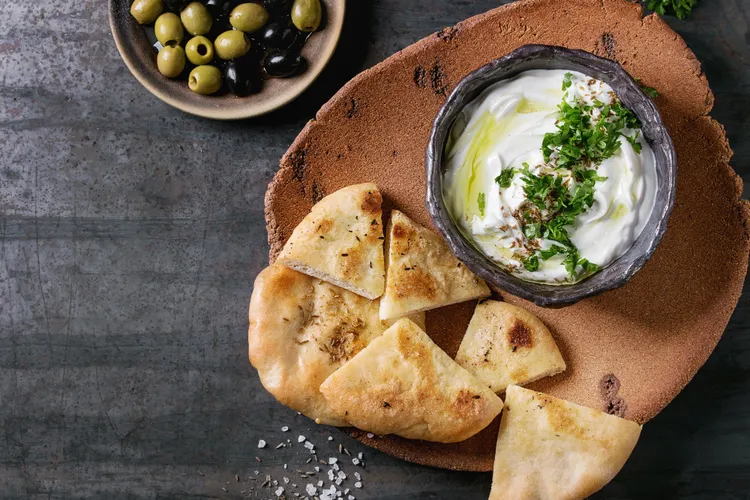
For immediate serving: Turn the labneh out of the cloth onto a plate. Drizzle generously with extra virgin olive oil. Scatter za'atar and flaky salt. Serve with warm flatbread, pitta, or vegetables.
For labneh balls: See the preserved labneh balls method below.
Preserved Labneh Balls: The Version That Keeps for Months
Labneh balls (known as labneh mkabrasa in Lebanese Arabic) are labneh strained until very firm, rolled into balls, coated in dried herbs and spices, and submerged in olive oil. They keep for 1-3 months at room temperature, the olive oil preserving both the labneh and the herb flavours.
This preparation transforms labneh from a fresh product (3-4 days refrigerated) into a preserved one - the logic behind the traditional form that made labneh a year-round staple in a pre-refrigeration Middle East.
Ingredients (makes approximately 15-18 balls)
- 1kg full-fat plain yogurt, strained for 24-30 hours (this produces approximately 400-450g of very firm labneh)
- 1 tsp fine sea salt (stirred into the yogurt before straining)
- For coating (combine your selection):
- Dried thyme or za'atar
- Dried chili flakes (Aleppo pepper for a mild, fruity heat)
- Dried oregano
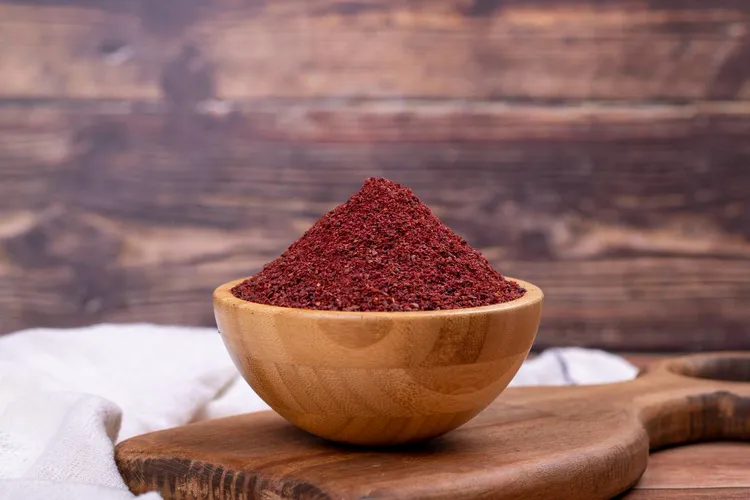
- Sumac (tangy, fruity, vivid red)
- Black sesame seeds - striking visually and nutty in flavour
- Finely chopped dried rose petals - the most elegant option
- 600ml-1 litre extra virgin olive oil to fill the storage jar
Method
Strain the yogurt for 24-30 hours until it is very firm - it should hold its shape when scooped and not spread.
Roll the balls: With lightly oiled hands (olive oil prevents sticking), scoop approximately 30g of labneh and roll between your palms into a smooth ball. Place on a parchment-lined tray. Repeat until all the labneh is rolled.
Coat the balls: Roll each ball through your chosen coating - dried herbs, spices, or sesame. Some people coat all the balls in the same coating; others make a variety for visual appeal. Press the coating lightly to adhere.
Pack into the jar: Layer the coated balls into a clean glass jar. Add whole peppercorns, bay leaves, or dried chili between the layers if desired. Pour olive oil over to completely submerge all the balls. Tap the jar gently to release any air bubbles.
Storage: Seal the jar and store in a cool, dark place or in the refrigerator. The olive oil will solidify in the refrigerator - this is normal; remove from the fridge 30 minutes before serving to allow the oil to re-liquefy.
Shelf life: 1-3 months at cool room temperature; up to 6 months refrigerated. The olive oil itself becomes infused with the herb and labneh flavours over time - an extraordinary oil for bread-dipping, salad dressings, or pasta.
What to Do with the Whey
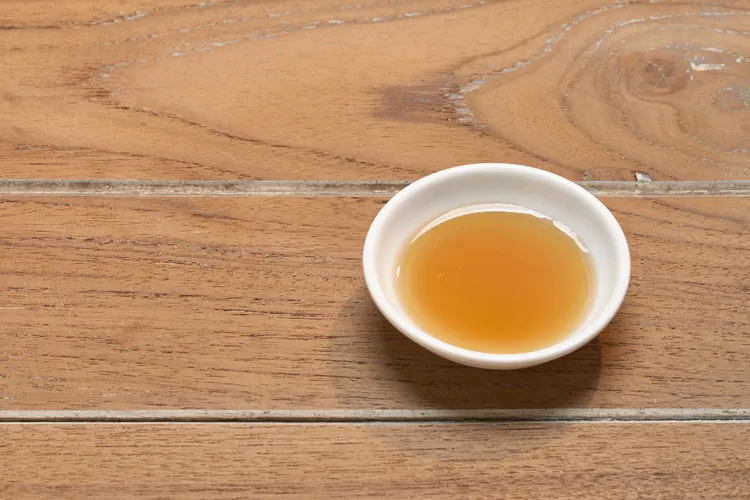
The liquid that drains from labneh is whey - slightly yellowish, tangy, and nutritionally rich (high in protein, probiotics, B vitamins, and calcium).
Do not discard it. It is useful in:
- Smoothies: A cup of whey adds protein and probiotics without significantly changing the flavour
- Bread dough: Replace up to half the water with whey. It adds tang and protein to the bread
- Soups and stews: As a flavour-adding liquid, similar to stock
- Lacto-fermentation brine: Its existing acidity and LAB content accelerates vegetable ferments
- Salad dressings: Mixed with olive oil, lemon, and herbs it makes an excellent dressing
- Plant watering: Diluted whey (10:1 water:whey) is a gentle fertiliser for the garden
Fifteen Ways to Use Labneh
The versatility of labneh is one of its greatest qualities. It works across almost every meal context:
For breakfast:
- Spread on toast with olive oil, za'atar, and sliced tomatoes
- In a flatbread wrap with cucumber, mint, and olives
- Alongside scrambled eggs as a cooling, tangy accompaniment
As a dip and spread: 4. Spread on a plate, drizzled with olive oil and za'atar, served with warm pitta 5. As a dip for vegetables alongside hummus and muhammara 6. Spread on crackers with smoked salmon or grilled vegetables 7. As the base for a mezze platter with olives, pickles, and flatbread
In cooking: 8. Stirred into pasta at the end of cooking instead of cream - lower fat, more flavour 9. As the base for a salad dressing mixed with olive oil, lemon, and herbs 10. Dolloped over roasted vegetables - beetroot and labneh is a particularly excellent combination 11. Served alongside grilled lamb or chicken - the tang cuts through the richness 12. In a grain bowl alongside roasted chickpeas, cucumber, and fresh herbs
As a cheese: 13. Spread thickly on a board alongside honey and walnuts - a cheese course alternative 14. Formed into a log, coated in crushed pistachios, served with crackers 15. Crumbled over a salad anywhere you would use feta - tangier and fresher in character
Variations
Goat's Milk Labneh
Made from goat's milk yogurt, this produces a labneh with a distinct, slightly gamey flavour that is closer to the traditional Lebanese preparation. Goat's milk labneh is tangier and more complex than cow's milk labneh. Available from farmers markets and online - worth making if you can source good-quality goat's milk yogurt.
Labneh with Herbs Mixed In
Strain the yogurt for 16-20 hours, then fold in finely chopped fresh herbs (mint, dill, chives, or a mixture) and a minced clove of garlic before serving. The herbs permeate the labneh and produce a flavoured soft cheese that is excellent on toast or alongside grilled fish.
Labneh with Harissa
Fold 1 tbsp of harissa paste (from The Street Food Sauce Bible) into 200g of finished labneh. The fiery, smoky harissa marbled through the cool, tangy labneh is a combination that works almost everywhere - as a dip, spread, or sauce alongside grilled meats.
Labneh Cheesecake
Use very firm labneh (strained 36+ hours) as a substitute for cream cheese in a no-bake cheesecake. The tanginess of the labneh produces a cheesecake that is lighter and more complex than the standard version - particularly good with a pomegranate or citrus topping.
Pro Tips
- Use the best yogurt you have. Labneh concentrates the flavour of the yogurt it is made from. A mild, slightly flat commercial yogurt produces a mild, slightly flat labneh. Homemade yogurt or a good-quality live yogurt produces a significantly more complex and interesting result.
- Don't skip the salt. Salt in the yogurt before straining seasons the labneh throughout rather than just on the surface, and it accelerates whey drainage. The ½ tsp quantity is calibrated - the finished labneh should be pleasantly seasoned, not salty.
- The hanging method drains faster. If you want labneh in 12 hours rather than 24, hang the cloth rather than setting it in a strainer. The free drainage on all sides is approximately twice as fast as gravity through the bottom of a sitting strainer.
- Refrigerate during straining. Straining at room temperature is faster but the yogurt can become too sour if left too long. Straining in the refrigerator is slower but the flavour development is more controlled.
- The olive oil for labneh balls is an ingredient, not just a preserving medium. Use the best olive oil you can reasonably afford - it becomes infused with the labneh and herbs and is itself a premium ingredient by the end of the preservation period.
Common Mistake: Using Low-Fat Yogurt Low-fat or fat-free yogurt produces a thin, watery labneh with little body or richness. The fat in full-fat yogurt is what gives labneh its spreadable, creamy texture. After straining, low-fat yogurt may produce a gritty, crumbly result rather than the smooth, spreadable labneh that makes the preparation worthwhile. Full-fat is non-negotiable.
FAQ
Q: How long does labneh keep?
Fresh labneh: 5-7 days refrigerated in a sealed container. Preserved labneh balls in olive oil: 1-3 months at cool room temperature, up to 6 months refrigerated.
Q: Can I make labneh from non-dairy yogurt?
Yes - coconut yogurt produces a rich, slightly sweet labneh that works well as a vegan alternative. Soy yogurt produces a tangier, more neutral result. Oat milk yogurt tends to produce a thinner result. Use full-fat non-dairy yogurt only; low-fat versions produce a watery, unsatisfying labneh.
Q: The whey isn't draining - my labneh is still liquid after 12 hours.
Either the muslin has too tight a weave (use a looser weave or a double layer with more space between the layers), or the yogurt is too cold and the fat has solidified slightly (allow it to come to room temperature for 30 minutes before straining begins). Also check that the collection bowl is not so full that the strainer is sitting in the whey - this stops drainage completely.
Q: Can I speed up the process?
Yes - gently pressing the outside of the cloth bag increases pressure on the curds and accelerates drainage. Or strain at room temperature for the first 4 hours (faster drainage) then move to the refrigerator. A salad spinner can also be used: line the inner basket with muslin, add the yogurt, and the centrifugal force accelerates drainage significantly.
🔗 Continue Fermenting
- Yogurt from Scratch: Better Than Any Shop-Bought Version
- Milk Kefir: Thicker Than Yogurt, Better for Your Gut
- The Street Food Sauce Bible: 15 Sauces from 15 Countries - Tzatziki, Raita
- Greek Souvlaki at Home: The Complete Guide
- Indian Pani Puri: The Street Food That Explodes in Your Mouth
- Fermentation & Gut Health at Home: The Ultimate Guide
Latest