One-Pan Shakshuka: The Eggs-in-Sauce Dinner That Works Any Time of Day
North Africa's greatest one-pan dish - spiced tomato, eggs, bread, done in 25 minutes
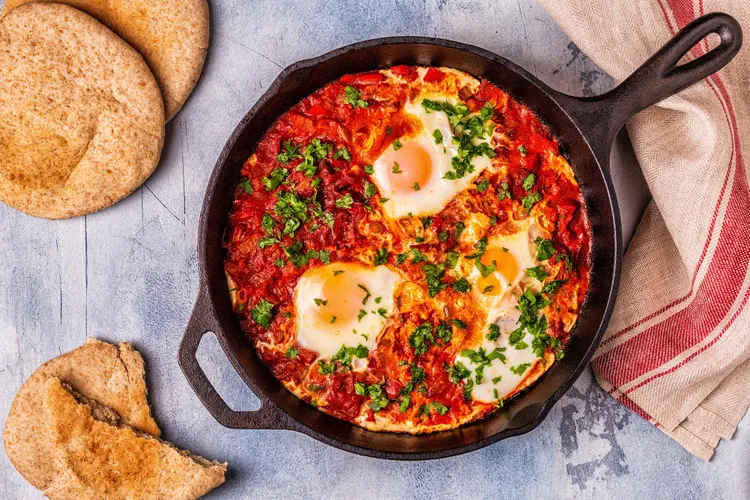
Shakshuka is one of those dishes that makes the "what should I make for dinner" question completely unnecessary. The answer, on any evening when eggs are in the fridge and tinned tomatoes are in the cupboard, is shakshuka. Twenty-five minutes. One pan. A sauce that is simultaneously a vehicle for the eggs and a complete flavour experience on its own, with the spice and warmth of North African and Middle Eastern cooking running through every bite.
The dish is also one of the best arguments for the proposition that breakfast food is appropriate at any hour. Traditionally eaten for breakfast in Israel, Tunisia, and across the Middle East, shakshuka has been adopted by brunch menus globally - and it is just as good for dinner. The eggs provide protein, the tomato provides acid and sweetness, the spices provide warmth and depth, and good bread alongside provides everything else.
The technique has one specific challenge: achieving egg whites that are fully set without producing yolks that are rubbery and overcooked. The solution is precise and replicable - and it produces a shakshuka with glossy, fully-set whites and soft, slightly runny yolks every time.
The History: From North Africa to Every Brunch Menu
Shakshuka's origins are contested in the way that any beloved regional dish's origins are contested. Tunisia has the strongest historical claim - the dish appears in Tunisian culinary records going back to the Ottoman period, and the Tunisian version (which often includes merguez sausage and harissa) is one of the most assertively spiced. Libya, Morocco, Algeria, and Yemen all have related preparations.
The version most internationally known - eggs in spiced tomato sauce, often with cumin and paprika - was popularised in Israel by Tunisian and Libyan Jewish immigrants who brought their culinary traditions with them in the 20th century. The Israeli version, particularly the popularisation by Tel Aviv restaurants, is largely responsible for shakshuka's global reach.
The word itself may derive from the Arabic shakshaka, meaning "to shake" or "a mixture" - an apt description for a dish that is essentially a well-seasoned, vigorously spiced tomato sauce into which eggs are cracked and cooked.
The One Challenge: Whites That Set, Yolks That Don't
The single technical challenge of shakshuka is the eggs. The whites and yolks have different heat tolerances: whites set at approximately 63°C; yolks become firm at approximately 70°C. The goal is to bring the whites to fully set while keeping the yolks at 63-65°C - still soft, still slightly runny, still golden.
The problem: the yolks sit above the whites. If you cook until the whites are set by the heat from the base of the pan alone, the yolks will have been exposed to significantly more heat from the pan's ambient warmth and will be partially or fully set.
The solution: Use the oven, not the hob, for the final cooking stage. After the eggs are cracked into the sauce on the hob, the pan goes into a preheated oven. The oven heats from all directions simultaneously - including from above - which means the whites set from both bottom and top while the yolks cook more gently from the ambient heat rather than the direct heat of the hob below. The result: set whites, runny yolks, consistently.
The hob-only alternative: If an oven-safe pan is not available, cover the pan with a tight-fitting lid for 4-6 minutes after adding the eggs. The trapped steam sets the whites from above while the hob heat sets them from below. The result is slightly less elegant (the steam produces a slight film over the yolks) but functionally excellent.
Ingredients
Serves 4 | Active time: 15 minutes | Total time: 25 minutes
The Tomato Sauce
- 3 tbsp extra virgin olive oil
- 1 large onion, finely diced
- 1 red pepper, deseeded and diced
- 4 cloves garlic, minced
- 2 tsp ground cumin
- 1.5 tsp smoked paprika
- 1 tsp ground coriander
- ½ tsp chili flakes (or ½ tsp cayenne, or 1 tbsp harissa paste - see The Street Food Sauce Bible)
- 2 × 400g tins whole tomatoes, crushed by hand before adding - crushing by hand produces a better texture than blended tomatoes
- 1 tsp sugar - balances the acidity of the tinned tomatoes
- Salt and black pepper to taste
The Eggs
- 6-8 large eggs (2 per person for a main, 1-2 per person for a starter)
To Finish
- 100g feta cheese, crumbled (optional but excellent)
- Fresh flat-leaf parsley or coriander, roughly chopped
- Good extra virgin olive oil for drizzling
- Crusty bread for serving - essential
Equipment
A 28-30cm oven-safe skillet or sauté pan - cast iron is ideal. If your pan cannot go in the oven, use the lid method described above.
Method
Step 1: Preheat the oven
Preheat to 190°C (fan). Having the oven ready before you crack the eggs is critical - the eggs should go in the oven the moment they are cracked, not wait while the oven heats.
Step 2: Build the sauce (12-15 minutes)
Heat the olive oil in the skillet over medium heat. Add the onion and pepper and cook for 8 minutes, stirring occasionally, until very soft and beginning to colour at the edges. Do not rush this step - properly softened onion and pepper is the flavour base of the sauce.
Add the garlic and all the spices. Cook for 90 seconds, stirring - the spices should foam slightly in the oil and become intensely fragrant. This is the blooming step: fat-soluble spice compounds are released into the oil and distributed through the entire sauce.
Add the crushed tomatoes (including all their juices) and the sugar. Stir to combine. Season with salt and pepper.
Simmer over medium heat for 8-10 minutes, stirring occasionally, until the sauce has thickened slightly - it should no longer look watery, but rather like a thick, chunky tomato sauce that is intensely flavoured. Taste and adjust seasoning. The sauce should be assertively spiced and balanced between sweet and sharp.
Step 3: Create wells and add eggs
Using the back of a large spoon, create 6-8 wells in the sauce - depressions deep enough to hold an egg. The wells keep the eggs from sliding together and allow the whites to set independently.
Crack one egg carefully into each well. Season each egg yolk with a pinch of salt.
Speed matters here: Transfer to the oven immediately after cracking the eggs. Every minute the eggs sit in the hot sauce before the oven heats them is a minute the whites are cooking unevenly.
Step 4: Bake (7-10 minutes)
Bake in the preheated oven for 7-10 minutes. The timing depends on how you want the yolks:
- 6-7 minutes: Whites just set, yolks completely runny - the most dramatic presentation but requires eating immediately
- 8-9 minutes: Whites fully set, yolks soft and slightly runny - the ideal balance for most people
- 10-11 minutes: Whites fully set, yolks mostly set - for those who prefer fully cooked yolks
Check the eggs at 7 minutes: the whites should be opaque and jiggly rather than liquid when the pan is gently shaken. If the whites still look translucent in places, return for 2 more minutes.
Step 5: Finish and serve
Remove from the oven. Scatter crumbled feta immediately - the residual heat partially melts it into the sauce. Scatter fresh parsley or coriander. Drizzle with olive oil.
Serve directly from the pan at the table - shakshuka is a communal dish, eaten from the pan with bread for dipping. Warm flatbread or crusty sourdough is ideal.
The Green Shakshuka Variation
Green shakshuka replaces the spiced tomato base with a vivid herb-and-tomatillo (or simply herb-and-cream) base. The result is a completely different visual experience - vivid green rather than red - with a lighter, more herbal flavour that is particularly good in spring and summer.
Ingredients (serves 4)
- 3 tbsp olive oil
- 1 leek, thinly sliced
- 4 cloves garlic, minced
- 400g tomatillos (canned, drained) or 200g baby spinach + 200ml single cream as an alternative
- 1 jalapeño or green chili, finely sliced
- 1 tsp ground cumin
- 200ml vegetable stock
- Large handful fresh coriander and fresh parsley
- 6-8 eggs
- Labneh (from the fermentation collection) or Greek yogurt for serving
Method
Sauté leek in olive oil for 5 minutes until soft. Add garlic and jalapeño, cook 1 minute. Add tomatillos (blended to a rough purée) or spinach and cream. Simmer for 5 minutes until slightly thickened. Season. Add fresh coriander and parsley. Create wells, crack in eggs, bake as above. Serve with labneh and warm bread.
Variations
With Merguez Sausage (Tunisian Style)
Brown 200g of merguez sausage (sliced into rounds) in the pan before building the sauce. Set aside and return to the pan with the eggs. The spiced lamb fat from the merguez enriches the tomato base significantly. This is the closest version to traditional Tunisian shakshuka.
With Feta and Roasted Red Pepper
Add 2 roasted and peeled red peppers (jarred is fine), torn into pieces, to the tomato sauce in the final 2 minutes of sauce simmering. Increase the feta to 150g. The sweetness of the roasted pepper against the spiced tomato is one of the great combinations in this collection.
Breakfast Shakshuka (Simplified)
For the fastest version: skip the pepper in the base, use pre-crushed tomatoes rather than whole tinned, and reduce the spicing to just cumin and a pinch of chili. Ready in 18 minutes. Serve with avocado slices and toast.
What to Serve Alongside
Shakshuka without bread is incomplete - the sauce and yolk need something to be mopped with.
Best options: Warm pitta, crusty sourdough (the sourdough starter from the fermentation collection), Moroccan msemen (flatbread), or any substantial bread with a good crust.
Alongside: A simple cucumber and tomato salad dressed with lemon and olive oil provides freshness and contrast to the rich, spiced sauce. Labneh or Greek yogurt as a cooling element on the side.
Drinks: Strong mint tea (the North African tradition) or a glass of citrusy white wine alongside the dinner version.
Pro Tips
- Crush tinned tomatoes by hand. Squeeze each tomato through your fingers into the pan rather than using a tin of ready-crushed tomatoes. The texture is more varied and interesting - some pieces are still chunky, others have dissolved. It takes 30 seconds and produces noticeably better sauce texture.
- Bloom the spices properly. The 90-second cooking of spices in hot oil is the step that separates good shakshuka from great shakshuka. The spices must sizzle and become fragrant - not just touch the oil and immediately have tomato added on top. The Maillard chemistry happening in those 90 seconds creates flavour compounds that raw spices in liquid don't produce.
- Have your bread warm and ready. Shakshuka waits for no one - the eggs continue cooking in the residual heat of the sauce even off the heat. Have the bread warm, the feta crumbled, and the herbs ready before the pan comes out of the oven.
- The pan stays on the table. Serving from the pan rather than decanting to plates is correct for shakshuka - the communal, slightly rustic presentation is part of the experience.
Common Mistake: Undercooking the Sauce Before Adding Eggs The most common shakshuka failure is adding the eggs to a sauce that is still watery and insufficiently reduced. The eggs poach in this thin sauce, the whites spread rather than staying contained in their wells, and the whole dish becomes a watery mess. Simmer the sauce for the full 8-10 minutes until it is clearly thick and concentrated before any egg touches it. The sauce should hold its shape when the back of a spoon is dragged through it.
FAQ
Q: Can I make shakshuka ahead?
The sauce can be made up to 3 days ahead and refrigerated. Reheat the sauce in the pan until simmering, then create wells and add eggs and proceed from Step 3. This makes the dish even faster on weeknights - 10 minutes from starting to eating.
Q: My eggs all ran together and the sauce is full of egg white. What happened?
The wells weren't deep enough, or the sauce was too thin. Make deeper, more clearly defined wells. Ensure the sauce is thick enough to hold the well shape when you drag a spoon through it. If the sauce is too thin, simmer for an additional 5 minutes before adding eggs.
Q: Is shakshuka suitable for meal prep?
The sauce is ideal for meal prep. The finished dish with eggs is not - poached eggs do not reheat well. Make the sauce ahead; crack eggs fresh when you eat. This is the correct approach.
Q: Can I use fresh tomatoes instead of tinned?
Yes, if the tomatoes are very ripe and in season. Use 800g of ripe fresh tomatoes, blanched, peeled, and roughly chopped. The sauce will take slightly longer to reduce. Out of season, good-quality tinned whole tomatoes (San Marzano or similar) produce a better sauce than fresh.
🔗 Continue Cooking
- One-Pot Lentil Soup: The Most Nourishing 30-Minute Dinner
- Sheet Pan Vegetables with Chickpeas and Tahini Dressing
- The Street Food Sauce Bible: 15 Sauces from 15 Countries - Harissa, Zhug
- Labneh: The Strained Yogurt That Becomes Cheese
- The One-Pan Dinner Formula
- One-Pan & One-Pot Dinners: The Ultimate Guide
Latest