Which Flour Should You Use for Bread? (All-Purpose vs. Bread Flour vs. Whole Wheat)
You're standing in the flour aisle staring at six different bags and wondering: does it actually matter which one you pick? It does - and the difference will show up in your loaf.
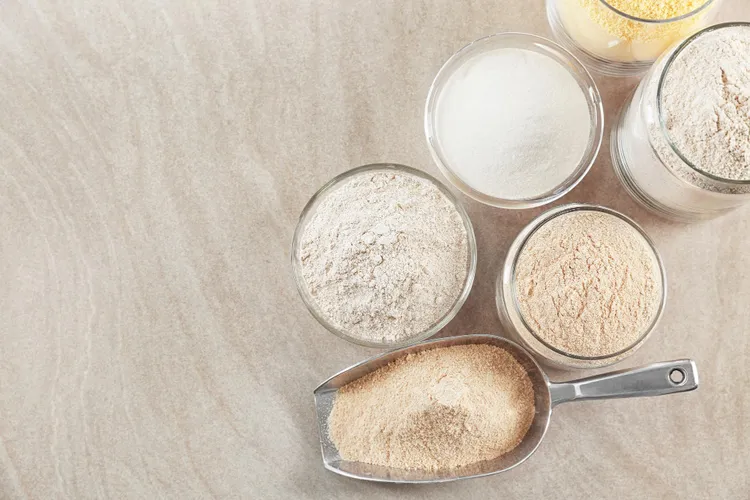
The flour you use for baking bread isn't just a backdrop ingredient. It's the structural backbone of your entire loaf. Protein content, absorption rate, and gluten formation all vary between flour types, and understanding these differences will make you a sharper, more confident baker.
This guide breaks down the most common flour types for bread baking so you can grab the right bag with confidence.
Why Protein Content Is Everything in Bread Flour
Flour's protein content determines how much gluten your dough can develop. Gluten is the elastic network that traps gas bubbles from yeast, giving bread its rise and chew.
Higher protein = more gluten = chewier, better-structured bread. Lower protein = less gluten = softer, more tender results.
That's the core rule. Everything else flows from it.
All-Purpose Flour for Bread: The Flexible Choice
Protein content: 10-12%
All-purpose flour is the reliable generalist. It produces decent bread with a softer crumb and slightly less chew than bread flour - which isn't a bad thing depending on what you're making.
It works beautifully for:
- Sandwich loaves
- Flatbreads and focaccia
- Quick breads and dinner rolls
- Beginner recipes where forgiveness matters
If you're just starting out and only want to stock one flour, all-purpose gets the job done. Most beginner recipes - including the one in our Complete Beginner's Guide to Baking Bread - work well with all-purpose flour.
Tip: When using all-purpose flour in a bread recipe designed for bread flour, reduce your water by about 1-2 tablespoons. All-purpose absorbs slightly less liquid.
Bread Flour: The Serious Baker's Choice
Protein content: 12-14%
Bread flour is milled specifically for yeast breads. Its higher protein develops a stronger gluten network, producing:
- Better oven spring (the final rise in the oven)
- A chewier, more satisfying crumb
- A crispier, more developed crust
- Greater tolerance for longer fermentation times
If you're baking sandwich bread, sourdough, or anything where structure matters, bread flour is the upgrade worth making. The difference is subtle at first, but once you bake the same recipe with both flours side by side, you'll notice it immediately.
Whole Wheat Flour: Flavor and Nutrition at a Cost
Protein content: 13-14% (but behaves differently)
Whole wheat flour contains the entire wheat kernel - bran, germ, and endosperm. The bran particles actually cut gluten strands as the dough develops, which is why whole wheat bread tends to be denser and heavier than white bread loaves.
It also absorbs significantly more water. A recipe using 100% whole wheat flour may need 10-15% more liquid than the same recipe made with bread flour.
Best approach for beginners: Start with a blend. Replace 25-30% of bread flour or all-purpose with whole wheat to get the flavor and nutritional benefits without the density challenge.
Other Flours Worth Knowing
Cake Flour (8-9% protein)
Too low in protein for yeasted bread. It's designed for tender cakes and pastries. Don't use it for sandwich loaves.
Self-Rising Flour
Contains baking powder and salt already mixed in. Not suitable for yeast breads - the leavening agents are wrong for fermentation-based baking.
Rye Flour
Adds incredible depth of flavor. Like whole wheat, it has limited gluten development. Use it at 10-20% of total flour weight in beginner recipes for complexity without compromising structure.
"00" Flour (Italian-style, 10-12% protein)
Finely milled and very soft. Excellent for pizza dough and focaccia. Not ideal for sandwich loaves.
Quick Reference: Which Flour for Which Bread?
| Bread Type | Best Flour | Why |
|---|---|---|
| Sandwich loaf | Bread flour or AP | Good structure, soft crumb |
| Sourdough | Bread flour | Handles long fermentation |
| Focaccia | AP or 00 | Tender, open crumb |
| Whole grain loaf | 70% bread + 30% whole wheat | Balance of structure + flavor |
| Flatbread/pita | AP flour | Soft and pliable |
| Artisan boule | Bread flour | Strong gluten for open crumb |
Common Mistakes When Choosing Flour
Mistake 1: Swapping whole wheat 1:1 for white flour. Whole wheat absorbs more water and weakens gluten. Always adjust your hydration and start with partial substitutions.
Mistake 2: Using self-rising flour for yeasted bread. The built-in leavening agents conflict with yeast fermentation. You'll get unpredictable results at best, a disaster at worst.
Frequently Asked Questions
Q: Can I use all-purpose flour instead of bread flour? Yes. The loaf will be slightly softer and less chewy, but still delicious. All-purpose is a perfectly valid choice for most beginner bread recipes.
Q: Is bread flour worth buying separately? If you bake bread regularly, yes. The difference in texture and structure is noticeable, especially in rustic loaves and sourdough. For occasional baking, all-purpose is fine.
Q: Does brand matter? It can. King Arthur Flour is widely regarded as one of the most consistent brands for baking. Their all-purpose flour has a higher protein content (~11.7%) than most grocery store brands, making it closer to bread flour in performance.
Q: How should I store flour? In an airtight container at room temperature for up to 6 months, or in the freezer for up to a year. Whole wheat flour goes rancid faster due to its oil-rich germ - refrigerate or freeze it.
Q: What happens if I use expired flour? It likely won't hurt you, but the bread may taste flat or slightly off. Flour can lose its baking properties over time. When in doubt, smell it - fresh flour is nearly odorless.
Pick Your Flour and Get Baking
For your very first loaf: grab a bag of bread flour or all-purpose and follow the recipe in our Complete Beginner's Guide to Baking Bread. Once you've got a feel for the dough, experiment with blends and different types.
The best flour is the one you actually have in your pantry. Don't let the perfect be the enemy of a great first loaf.
Ready to put your flour to work? Try our No-Knead Overnight Bread - it works brilliantly with either all-purpose or bread flour.
Drop your flour questions in the comments - we read every single one.
More from the Beginner's Bread Series:
Latest