The Best Matcha Tools for Home Brewing
What you actually need, what's nice to have, and what's just clutter
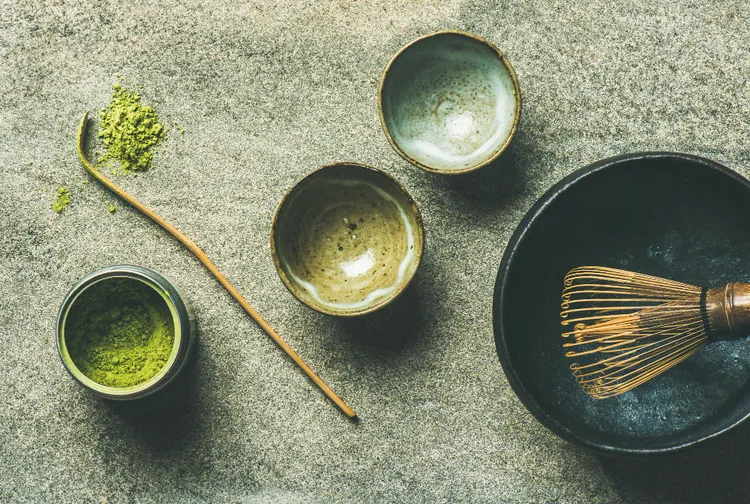
Walk into a specialty tea shop and you'll see a bewildering array of bamboo whisks, ceramic bowls, bamboo scoops, sifters, and wooden caddies - each one beautiful, each one mysteriously priced. What do you actually need? What can you skip?
This guide cuts through it all. Whether you want the traditional experience or the most practical modern setup, here's exactly what to buy and what to leave on the shelf.
Before you buy tools, buy good matcha. Tools can't save bad powder. See The Best Matcha Powders of 2025, Ranked and Matcha 101 first.
The Essentials (You Actually Need These)
1. Chasen (Bamboo Whisk) - Non-Negotiable
The chasen is the most important matcha tool by far. Nothing else produces the same result.
A bamboo chasen is carved from a single piece of bamboo into dozens of fine tines that create the friction and aeration needed to properly emulsify matcha powder and water. The result is a smooth, foam-crowned cup that no other implement can fully replicate.
What to look for:
- 80-tine (80-hon) for thick matcha (koicha) - a denser, more intense preparation
- 100-tine (100-hon) for thin matcha (usucha) - the standard preparation most people make
- Bamboo should be pale, flexible, and uniform - not yellowing or brittle
What to avoid: Synthetic or plastic "whisks" marketed as matcha tools. They work poorly and miss the point.
Care: Rinse immediately after use (never use soap), reshape the tines around a kusenaoshi (whisk holder) if you have one, and let air-dry. A well-cared-for chasen lasts 6-12 months of daily use.
Cost: $8-25 for a good quality chasen.
2. Chawan (Matcha Bowl) - Strongly Recommended
You can technically whisk matcha in any wide bowl, but a proper chawan makes the process significantly easier and more enjoyable. The wide, flared shape gives the chasen room to move and prevents splashing.
What to look for: A bowl wide enough that the chasen can move in a full W-motion without the tines hitting the sides. Diameter of at least 12cm at the base is ideal. Weight and feel in the hands matter too - this is an object you'll hold every morning.
Ceramic vs. other materials: Traditional matcha bowls are ceramic. The thermal properties of ceramic keep your matcha warm without burning your hands. They also develop a patina over time that many people find beautiful.
Cost: $15-60 for a practical everyday bowl. Traditional handmade Japanese chawan can cost hundreds or thousands of dollars - beautiful, but not necessary for a great cup.
3. Chashaku (Bamboo Scoop) - Useful but Substitutable
The chashaku is a long, thin bamboo scoop traditionally used to measure matcha. One level scoop typically equals about 1-1.5g of matcha - roughly the right amount for a single serving.
Practical reality: A small kitchen scale is more accurate. If you care about consistency, weigh your matcha (1.5g is a good baseline). The chashaku is beautiful and traditional, but a small measuring spoon works in a pinch.
Cost: $5-15.
4. Fine Mesh Sifter - Surprisingly Important
Matcha clumps. Even freshly opened, high-quality matcha often has small clumps that won't fully dissolve when whisked, resulting in a gritty texture in the cup.
Sifting 30 seconds before preparing your matcha through a fine mesh sifter (80-100 mesh) eliminates clumps and makes whisking much easier. It's a small step that significantly improves the result.
Cost: $8-15 for a dedicated matcha sifter, or use a standard fine tea strainer.
Nice to Have
Kusenaoshi (Whisk Holder)
A ceramic stand shaped to hold the chasen upside-down while drying - preserving the curve of the tines. Not essential, but extends the life of your whisk noticeably. Around $10-20.
Natsume (Tea Caddy)
A small lacquered wooden container for storing matcha. Beautiful, traditional, and genuinely useful if you keep your matcha on the counter (though a dark, airtight container in the fridge is better for freshness - see our Matcha Storage Guide).
Electric Milk Frother
For matcha lattes, a handheld electric frother is excellent at frothing warm milk. It's also acceptable for making quick matcha - not as good as a chasen for ceremonial preparation, but fast and easy for everyday lattes. Around $8-15.
Skip These
Matcha "shakers": Leakproof cups with a ball whisk inside. They produce a lumpy, under-aerated result. Not recommended.
Elaborate multi-piece "matcha sets" from generic retailers: Usually include poorly made versions of everything. Better to buy one good chasen and bowl separately.
Electric matcha whisks: Expensive, hard to clean, and produce inferior foam compared to a good bamboo chasen.
The Minimal Starter Kit (Under $40)
If you want to start simply and well:
- 100-tine chasen - $12
- Wide ceramic bowl - $18
- Fine mesh sifter - $8
That's all you need for an exceptional cup of traditionally whisked matcha. Add a chashaku for the full experience.
🔗 Continue Exploring
Latest