Greek Souvlaki at Home: The Complete Guide
The marinade, the grill, the tzatziki, the pita - everything you need to recreate Greece's greatest street food
The souvlaki stand is one of the most democratic institutions in Greek food culture.
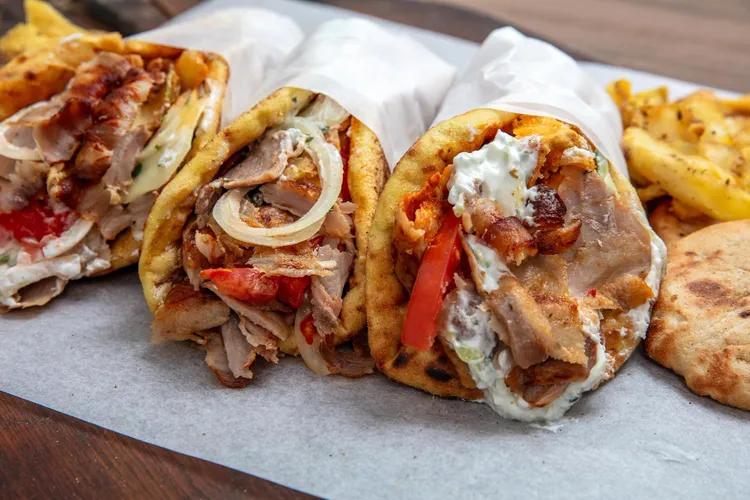
It is open at noon and at midnight. It serves everyone - the construction worker on his lunch break, the table of tourists who've wandered off the main square, the family walking home after a late evening. The price is low enough that it has never been a luxury, and the quality - at a good stand - is high enough that it has never needed to be. A skewer of well-marinated pork or chicken, charred over charcoal, wrapped in a soft warm pita with tzatziki, tomato, onion, and chips tucked inside (the Greek way - yes, the chips go inside the pita), is one of the most satisfying combinations of flavors and textures in any cuisine.
The word souvlaki simply means "small skewer" - from the Greek souvla (skewer). It refers both to the skewered and grilled meat and, in broader usage, to the entire pita-wrapped preparation. Outside Greece, the wrapped version is sometimes called a gyros (which is technically a different dish - shaved meat from a vertical rotisserie, like a döner). The distinction matters: souvlaki is made to order from fresh skewers, not shaved from a pre-formed cone of compressed meat. The quality difference is significant.
This guide makes both versions - the skewered souvlaki to eat from the skewer, and the wrapped pita version - and covers the three proteins that represent the full range of the tradition: pork (the classic), chicken thigh (the everyday version), and halloumi (the vegetarian), plus a fully vegan option.
📖 The tzatziki recipe in this guide is the same sauce covered in The Street Food Sauce Bible. If you've already made it from that post, it's waiting in your fridge. If not, the full recipe is in Part 3 of this guide.
The History: From Ancient Skewers to Modern Street Stands
The Greeks have been cooking meat on skewers over fire for at least three thousand years. The Iliad describes Achilles' companions preparing skewered meat (obelias - named for the long pointed spits used) during the siege of Troy. Archaeological evidence from Minoan Crete suggests skewer-grilled meat was common as early as 1700 BCE - small clay stands with slots for skewers have been found at multiple sites.
The modern souvlaki stand, serving the wrapped pita version with tzatziki and tomato, is a 20th-century development - the specific format solidified in Athens in the post-WWII period and spread across Greece as urban street food culture developed. The chips-inside-the-pita innovation (a souvlaki without chips is considered incomplete in most of Greece) is relatively recent - a practical street food adaptation that turned a skewer and a bread into a complete meal without requiring a plate.
The tradition that reaches back to Homer and arrives, three thousand years later, at a stand in a side street in Athens at 11pm is one of the more remarkable continuities in culinary history.
Part 1: The Marinade
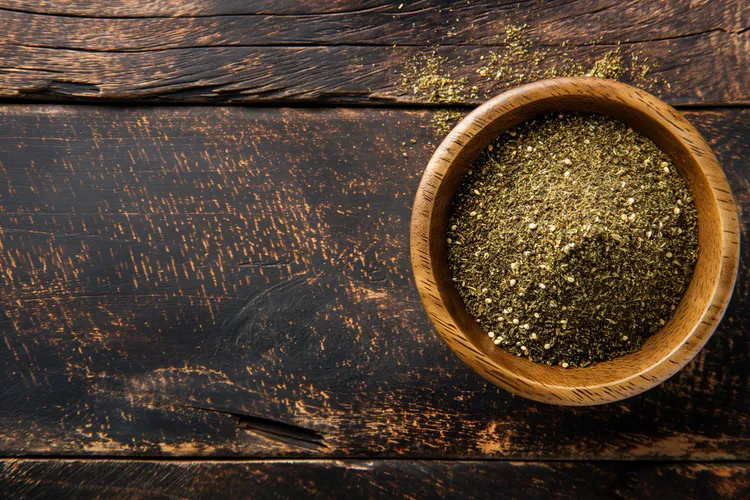
The souvlaki marinade is one of the most approachable and most effective marinades in this collection. No fermented pastes, no dried chilies to rehydrate, no blending required. Olive oil, lemon, garlic, dried oregano, and salt - the flavor profile of the eastern Mediterranean reduced to five ingredients.
What makes it work is both the quality of the ingredients and the time. The lemon juice tenderises the protein through its acidity; the olive oil carries the fat-soluble flavor compounds from the garlic and oregano into the meat; the dried oregano (preferably Greek - more aromatic and less anise-forward than Italian oregano) provides the specific herbal character that defines Greek grilling.
The time question: Chicken thigh benefits from 2-12 hours; pork from 4-24 hours; halloumi needs only 30 minutes (the salt in the cheese means it doesn't need salt in the marinade, and extended marinating makes it too soft). The overnight marinade is when the flavor deepens from "well-seasoned" to something more integrated and complete.
The Marinade (for all three proteins)
Ingredients (for 600g of any protein):
- 80ml extra virgin olive oil - Greek olive oil if possible; its fruitiness and slight bitterness are specifically appropriate here
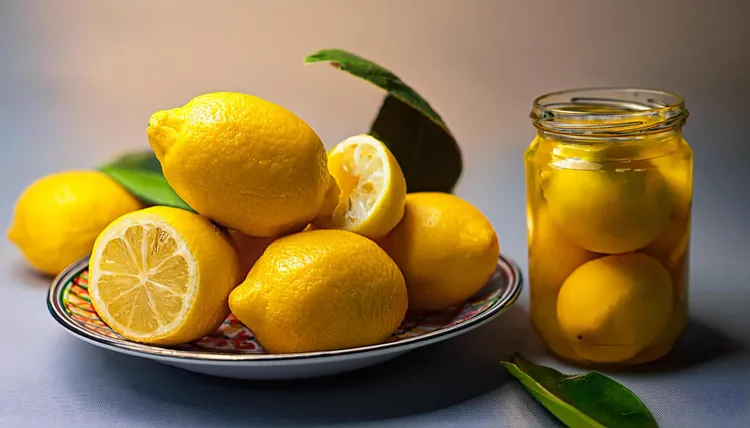
- Juice of 2 lemons (about 60ml) - always fresh
- 4 cloves garlic, minced to a paste with a pinch of salt
- 2 tsp dried oregano - Greek oregano (rigani) preferred; rub between your palms before adding to release the volatile oils
- 1 tsp fine sea salt (omit for halloumi)
- ½ tsp black pepper, freshly ground
- Optional: 1 tsp sweet paprika - adds a gentle warmth and a slightly deeper color
- Optional: ½ tsp ground cumin - less traditional but occasionally used in Greek island cooking, adding a subtle earthiness
Method: Combine all ingredients. Taste - the marinade should be assertively herbal and lemony. It will mellow considerably once applied to the protein. Add protein, turn to coat thoroughly, cover, and refrigerate for the appropriate time (see above).
Part 2: The Three Proteins
Protein 1: Pork Shoulder (Classic)
Pork is the traditional souvlaki protein - specifically pork shoulder or pork neck (cervical collar), which has enough fat marbling to stay moist over the intense heat of a charcoal grill without drying out. Lean pork loin is not suitable - it becomes dry and fibrous.
Preparation: Cut pork shoulder into 3-4cm cubes. Thread onto metal or pre-soaked wooden skewers (4-5 pieces per skewer). The pieces should be snug against each other but not so tightly packed that air cannot circulate - some space allows even cooking on all sides.
Cooking:
- Outdoor charcoal grill (ideal): The smokiness of charcoal is genuinely different from gas or pan-cooking. Cook over medium-high charcoal for 10-12 minutes, turning every 3 minutes, until cooked through with clear char marks.
- Cast iron griddle pan (excellent home alternative): Preheat over maximum heat for 3-4 minutes until smoking. Cook the skewers for 3-4 minutes per side - 4 sides total for cylindrical skewers, or 2 sides for flat skewers.
- Oven grill/broiler: Position the shelf close to the element. Grill at maximum heat for 4-5 minutes per side.
Internal temperature: 70°C for pork - use a thermometer for confidence, especially on a first attempt.
Rest: 3 minutes under foil before serving. This allows the juices to redistribute and prevents the meat from releasing everything when cut.
Protein 2: Chicken Thigh (Everyday Version)
Boneless, skinless chicken thighs are the most home-cook-friendly souvlaki protein - they marinate quickly, cook quickly, and are forgiving of slight overcooking in a way that chicken breast is not.
Preparation: Cut into 3-4cm pieces. Thread onto skewers as for pork. If the thighs are small, thread the whole thigh folded in half rather than cutting it - this produces a juicier result because the meat hasn't been cut and the surface area exposed to heat is smaller.
Cooking: Same methods as pork. Cooking time is shorter - 8-10 minutes total on a griddle pan or grill.
Internal temperature: 74°C for chicken.
The weeknight approach: The chicken thigh souvlaki is the version in the 30-Minute Street Food guide. With 20 minutes of marinating while the pan heats and the tzatziki is made, this is dinner in 30 minutes.
Protein 3: Halloumi (Vegetarian / Vegan with modification)
Halloumi souvlaki is not a compromise. It is a genuinely excellent dish - the salty, squeaky Cypriot cheese becomes golden and slightly crispy on the exterior while remaining soft inside, with the herbs and lemon of the marinade combining with the cheese's natural saltiness in a way that is completely satisfying.
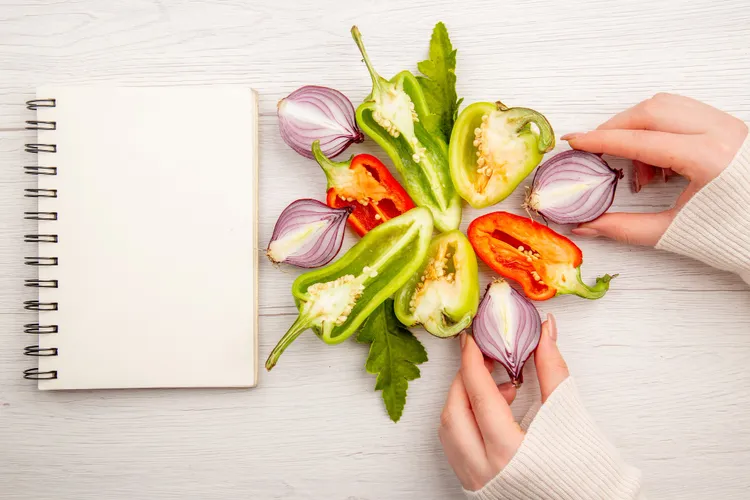
Preparation: Cut halloumi into 2-3cm cubes. Marinate for 30 minutes in the standard marinade (omit the salt - halloumi provides more than enough). Thread onto skewers alternating with pieces of red and green pepper and red onion - the vegetables char at similar temperatures to the halloumi and add color and sweetness.
Cooking: Halloumi cooks faster than meat - 2-3 minutes per side on a very hot griddle pan or grill. Watch carefully; overcooked halloumi becomes rubbery rather than golden.
Vegan version: Replace halloumi with extra-firm tofu (pressed for 30 minutes, marinated for 2 hours) or with large portobello mushroom caps cut into thick slices. The mushroom version especially benefits from a slightly longer marinade - the porous flesh absorbs the marinade deeply and produces a result that is earthy, smoky, and genuinely substantial.
Part 3: The Tzatziki
The complete tzatziki recipe and method is in The Street Food Sauce Bible. The key principles, repeated here because they are that important:
Full-fat Greek yogurt only. Low-fat or "Greek-style" yogurt produces a thin, watery tzatziki that pools on the plate. The specific tanginess and thickness of full-fat strained Greek yogurt is non-substitutable.
Squeeze the cucumber completely dry. A cucumber is approximately 95% water. Grated and unsqueezed, it releases enough liquid in 10 minutes to turn your tzatziki into soup. Squeeze until your hands ache and then squeeze once more. This single step is what separates good tzatziki from disappointing tzatziki.
Rest for 30 minutes minimum. Raw garlic is aggressive. After 30 minutes in the yogurt, it mellows into something that tastes like garlic should taste - present and aromatic, not sharp and harsh. Made the day before, it is even better.
Quick Reference Recipe
- 300g full-fat Greek yogurt
- 1 medium cucumber, grated and squeezed completely dry
- 2 cloves garlic, minced
- 2 tbsp fresh dill or mint
- 2 tbsp extra virgin olive oil
- 1 tbsp lemon juice
- ½ tsp salt
Combine all. Rest 30 minutes minimum. Drizzle with olive oil to serve.
Part 4: The Pita
The pita used in souvlaki is the soft, thick, slightly charred Greek pita - different from the thin, pocket-forming Middle Eastern pita bread. Greek pita has no pocket; it is a solid, slightly fluffy flatbread that is warm and pliable, designed to wrap around a souvlaki filling without tearing.
Best option: Find Greek pita specifically (labeled "Greek pita" or "souvlaki pita" at Greek delis, some larger supermarkets, or online). It is larger and thicker than Middle Eastern pita and the experience of eating it warm, charred, and wrapped around a souvlaki is the correct one.
Acceptable substitute: Thick flatbreads, Lebanese bread, or large flour tortillas warmed in a dry pan. Middle Eastern pita, warmed, is a reasonable substitute but the pocket format makes it less practical for wrapping.
Warming the pita: Place directly over a gas flame for 20-30 seconds per side until lightly charred and pliable. In the absence of a gas flame: a very hot dry griddle pan for 45 seconds per side, or wrapped in foil in a 180°C oven for 5 minutes.
Making pita from scratch: A straightforward yeasted flatbread - 250g strong white flour, 7g instant yeast, 150ml warm water, 2 tbsp olive oil, ½ tsp salt. Knead for 8 minutes, prove for 45 minutes, divide into 4 balls, roll to 5mm thickness, cook in a very hot dry pan for 2 minutes per side. The from-scratch version is notably better than shop-bought if you have the time.
Part 5: Assembly - The Souvlaki Pita
The Greek souvlaki pita has a specific assembly logic that makes it structurally sound and proportionally correct. This is the street stand method.
The sequence:
- Lay the warm pita flat on a sheet of greaseproof paper or foil - this will also be the wrapping
- Spread tzatziki generously across the centre third of the pita - about 2 tablespoons
- Add sliced fresh tomato - two or three slices, laid overlapping
- Add thinly sliced white onion - a small amount; it should be present but not dominant
- Slide the meat off the skewer onto the pita, over the tzatziki and vegetables
- Add chips (yes - this is the Greek way, and it is correct): a small handful of thin, salted chips tucked alongside the meat. It sounds wrong. It is extraordinary.
- Add a few slices of fresh jalapeño or chili - optional but traditional in some regions
- Roll the pita around the filling, wrapping the greaseproof paper tightly around the outside to hold the shape
- Eat from the paper, unwrapping as you go
The chips note: The inclusion of chips inside a souvlaki pita is non-negotiable in most of Greece and is the element most often omitted by home cooks and restaurants outside Greece. The combination of hot chips, charred meat, cold tzatziki, and warm pita - all in one bite - is genuinely one of the great street food experiences. Do not omit them on first making.
The Full Souvlaki Spread
For a group of 6, the complete souvlaki experience:
The skewers: All three proteins - pork, chicken, halloumi - cooked in batches and kept warm on a foil-covered tray in a low oven (80°C).
The accompaniments:
- Large bowl of tzatziki (make the day before)
- Sliced fresh tomatoes
- Thinly sliced white onion
- Fresh chips - proper thin cut, well-salted
- Warmed pita, stacked in a cloth
- Lemon wedges
- Dried oregano in a small bowl for sprinkling
The format: Set everything on the table and let people assemble their own. This is the correct format - the souvlaki stand aesthetic, recreated at home. Guests build their own pitas, add or omit as they prefer, eat standing or sitting with the paper wrapper in hand.
Greek salad alongside: Tomato, cucumber, red onion, Kalamata olives, and crumbled feta with oregano and olive oil. The combination of souvlaki and horiatiki (Greek country salad) is the complete Greek summer meal.
Variations
Souvlaki Platter (Without Pita)
Serve the skewers on a large platter over a bed of warm pita bread torn into pieces, with tzatziki poured over. A lemon quarter, fresh herbs, and a drizzle of olive oil. This is the taverna presentation - more formal than the street stand, equally good.
Lamb Souvlaki
Replace pork with lamb shoulder, cut into 3cm pieces and marinated overnight. Lamb has a stronger flavor than pork that works beautifully with the oregano and lemon marinade - add a ¼ tsp of cinnamon and a ¼ tsp of allspice to the marinade for a specifically Levantine note.
Shrimp Souvlaki
Large raw prawns, marinated for 15 minutes only (longer and the acid "cooks" them), threaded onto skewers alternating with cherry tomatoes and lemon slices. Cook for 90 seconds per side. The fastest version on this list and particularly good in summer.
Spetsofai (Sausage and Pepper Souvlaki)
Thread pieces of Greek loukaniko sausage (or any coarse-ground pork sausage) alternating with strips of red and green pepper. The sausage fat bastes the peppers as they cook. A different format but unmistakably souvlaki in spirit.
Pro Tips
- Metal skewers are better than wooden for home cooking. They conduct heat to the centre of the meat, cook more evenly, and don't need soaking. Flat metal skewers also prevent the meat from spinning when turned, which means more even charring. Buy a set once and use them indefinitely.
- Pat the meat dry before skewering. Excess marinade on the surface drips into the pan rather than caramelising on the meat. A light pat removes the excess; don't remove so much that the surface is dry.
- The pan must be at maximum heat. A souvlaki cooked on a moderately hot pan is a stewed piece of meat in a lemon sauce. A souvlaki cooked on a screaming hot pan is charred, caramelised, and exactly what it should be. Wait for the pan to be properly hot - smoking is the indicator.
- Don't move the skewers too frequently. The char develops from sustained contact with the hot surface. Moving every 30 seconds prevents charring and produces grey, steamed meat. Turn only when the underside releases easily and has developed clear char marks.
- Make the tzatziki the day before. It is genuinely better after 24 hours - the garlic mellows, the flavors integrate, and the texture tightens slightly. Making it the day before also means the day-of cooking is simpler and faster.
Common Mistake: Using Chicken Breast Instead of Thigh Chicken breast dries out on a hot grill in the time it takes to cook through - the lack of fat means there is nothing to keep the meat moist as the surface moisture evaporates. Chicken thigh stays juicy because its fat content protects it. Every Greek souvlaki stand uses thigh. It is not a budget concession - it is the correct choice for this specific application.
FAQ
Q: What's the difference between souvlaki and gyros?
Souvlaki is freshly skewered and grilled meat, made to order. Gyros is meat shaved from a pre-formed cone rotating on a vertical rotisserie - similar in concept to Turkish döner or Lebanese shawarma. Both are served in pita with similar accompaniments. The key difference: souvlaki is always freshly grilled; gyros is shaved from a pre-cooked rotating spit. Souvlaki is generally considered higher quality because each portion is cooked fresh.
Q: Can I cook souvlaki in the oven?
Yes - grill/broil at maximum heat, positioned close to the element, for 5-6 minutes per side. The result is good but lacks the char of a griddle pan or outdoor grill. For best results in the oven, use the grill/broiler function rather than conventional heat.
Q: My halloumi is sticking to the pan. How do I prevent this?
The pan isn't hot enough. Halloumi sticks when it hasn't yet developed a crust - if you try to move it before the crust forms, it tears. Let it sit on a properly preheated, lightly oiled pan for 2-3 minutes without touching it. It will release when the crust has set. If it still sticks, the pan needs more preheating next time.
Q: Is Greek oregano different from Italian oregano and does it matter?
Yes - Greek oregano (Origanum vulgare subsp. hirtum, also sold as rigani) is more intensely aromatic than Italian oregano, with a slightly different essential oil profile that is specifically suited to the flavors of Greek cooking. It matters: Greek oregano in a souvlaki marinade tastes distinctly more authentic than Italian. It's available at Greek and Mediterranean food stores, online, and increasingly in large supermarkets.
Q: How far ahead can I marinate the meat?
Pork: up to 24 hours - beyond that the lemon acid begins to toughen the surface texture. Chicken thigh: up to 12 hours. Halloumi: 30 minutes to 2 hours maximum. All proteins benefit from a minimum of 2 hours. The overnight marinade (8–12 hours) is the sweet spot for both pork and chicken - done the evening before for next-day cooking.
🔗 Continue Exploring
- The Street Food Sauce Bible: 15 Sauces from 15 Countries - Tzatziki, Tahini Sauce
- How to Make Socca: The Chickpea Flatbread of the French Riviera
- Spanish Street Food: 5 Recipes from the Markets of Madrid
- The Perfect Arancini: Sicily's Greatest Street Food at Home
- Mexican Street Tacos: The Only Taco Guide You'll Ever Need
- 10 Street Food Dishes You Can Make in 30 Minutes or Less
- How to Fry Like a Street Food Vendor: The Complete Home Guide
- Global Street Food at Home: The Ultimate Guide
Latest