A Beginner’s Guide to Gluten-Free Flours
Whether you’re avoiding gluten for health reasons, managing celiac disease, or simply experimenting with new ways of baking, understanding gluten-free flours is the key to success.
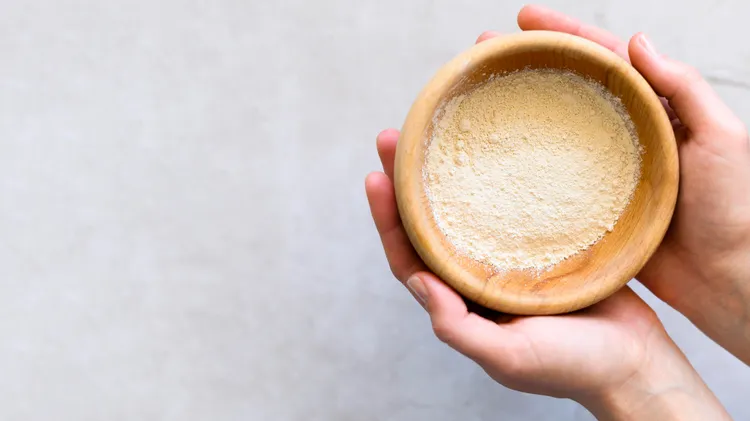
Going gluten-free can feel overwhelming at first, especially when you step into a grocery store aisle lined with unfamiliar flours made from rice, nuts, seeds, and ancient grains. If you’ve ever wondered why there are so many gluten-free flours, how they differ, or which one to use for baking, you’re not alone. This beginner’s guide to gluten-free flours is designed to walk you through everything you need to know in a clear, friendly, and practical way - without making it feel like a chemistry lesson.
Gluten-free flours are exactly what they sound like: flours made from ingredients that naturally contain no gluten. Gluten itself is a protein found in wheat, barley, and rye, and it’s responsible for the stretchy, elastic texture in traditional dough. When gluten is removed, baking and cooking change dramatically. That’s why gluten-free flours behave differently from regular wheat flour and why understanding them is the key to successful gluten-free recipes.
One of the most important things to know right away is that there is no single “perfect” gluten-free flour. Unlike wheat flour, which can do almost everything on its own, gluten-free flours each have their own strengths, weaknesses, flavors, and textures. Some are light and neutral, others are dense and nutty, and some are best used in small amounts. Learning how they work - either alone or blended - is what turns gluten-free cooking from frustrating to fun.
Among the most common gluten-free flours, rice flour is often the starting point for beginners. Made from finely milled white or brown rice, it has a mild flavor and a light color that works well in many recipes. White rice flour is especially popular in gluten-free baking because it creates a soft texture without overpowering other flavors. Brown rice flour, on the other hand, has a slightly nuttier taste and more fiber, making it a favorite for heartier baked goods. Rice flour is widely used in gluten-free flour blends because it mimics some of the structure of wheat flour, although on its own it can sometimes feel a bit gritty.
Almond flour has become one of the most talked-about gluten-free flours, especially in low-carb and paleo recipes. Made from finely ground blanched almonds, it adds moisture, richness, and a subtle nutty flavor to baked goods. Almond flour is naturally high in protein and healthy fats, which makes it ideal for cakes, muffins, pancakes, and cookies that need tenderness. However, because it lacks starch, it doesn’t provide much structure on its own, so it’s often combined with other gluten-free flours or binding ingredients like eggs.
Coconut flour is another popular option, but it’s one that requires special care. Made from dried, ground coconut meat, coconut flour is extremely absorbent. A small amount goes a very long way, and recipes using coconut flour usually require extra eggs or liquid. Its mildly sweet flavor works beautifully in desserts, but it can easily lead to dry or crumbly results if substituted cup-for-cup with other flours. For beginners, coconut flour is best used in recipes specifically designed for it.
Oat flour is a favorite for those looking for a soft, comforting texture similar to traditional baking. Made from finely ground oats, it has a naturally sweet, wholesome flavor and works well in cookies, quick breads, and pancakes. It’s important to use certified gluten-free oats, as regular oats are often contaminated with gluten during processing. Oat flour adds moisture and tenderness, making it a valuable ingredient in gluten-free baking blends.
For those who enjoy deeper, earthier flavors, buckwheat flour is a fantastic gluten-free choice despite its misleading name. Buckwheat is not related to wheat at all and is completely gluten-free. This flour has a bold, nutty taste and works especially well in pancakes, crepes, and rustic breads. It pairs beautifully with honey, chocolate, and fruit, adding character to gluten-free recipes that might otherwise taste flat.
Sorghum flour is another excellent option for beginners because of its mild flavor and versatility. It’s made from an ancient grain and has a taste similar to whole wheat flour, making it a great choice for those transitioning to gluten-free baking. Sorghum flour provides structure and softness and is often used in gluten-free flour blends for bread, muffins, and cakes.
Then there are starches, which play a crucial supporting role in gluten-free cooking. Tapioca starch, potato starch, and cornstarch help add lightness, elasticity, and chew to baked goods. These starches don’t contribute much flavor, but they are essential for improving texture. Tapioca starch, in particular, is known for giving gluten-free bread and pizza dough that slightly stretchy, satisfying bite.
Because no single gluten-free flour can replicate the properties of wheat flour, many recipes rely on gluten-free flour blends. These blends typically combine several flours and starches to balance flavor, texture, and structure. Store-bought gluten-free all-purpose flour blends are a convenient option for beginners and are often designed to be substituted cup-for-cup in traditional recipes. While results can vary depending on the brand, they are a great starting point for anyone new to gluten-free baking.
When cooking or baking with gluten-free flours, patience and experimentation are key. Gluten-free doughs and batters often look different from what you might expect. They may be thicker, wetter, or stickier than traditional dough, and that’s completely normal. Letting batters rest before baking can help flours hydrate properly and improve texture. Measuring accurately, especially with highly absorbent flours like coconut flour, can make a dramatic difference in results.
From an lifestyle perspective, gluten-free flours aren’t just for people with celiac disease or gluten sensitivity. Many home cooks use them to add variety, nutrition, and flavor to their meals. Whether you’re baking for health reasons, dietary preferences, or pure curiosity, understanding gluten-free flours opens up a whole new world of possibilities in the kitchen.
In the end, the best way to learn gluten-free flours is to use them. Start with a few versatile options, follow well-tested recipes, and don’t be afraid to experiment. With the right knowledge and a little practice, gluten-free baking can be just as delicious, satisfying, and creative as traditional baking - sometimes even more so.
Latest