Toasted Nuts Change Dishes Instantly - The Small Step That Makes Food Taste Better
A handful of nuts can completely change a dish - but only if they’re toasted properly. Heat unlocks aroma, enhances flavor, and adds the kind of texture contrast that makes food memorable. Once you start using toasted nuts intentionally, even simple home cooking begins to taste more layered and restaurant-quality.
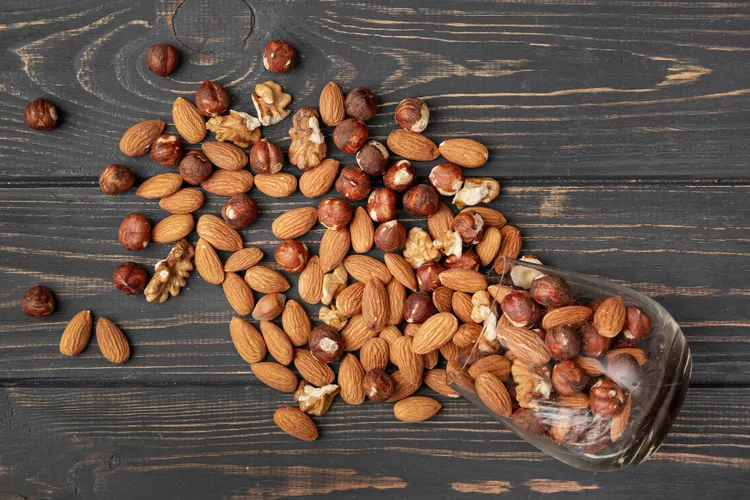
Many home cooks add nuts to recipes exactly as they come from the package.
Technically, that works.
But it misses one of the easiest flavor upgrades available in everyday cooking.
Toasting nuts - a process that takes only a few minutes - transforms them completely. Their flavor becomes deeper, sweeter, and more aromatic, while their texture turns crisp instead of soft or waxy.
Professional kitchens rely on this simple step constantly because toasted nuts add three things most dishes need:
-
flavor depth,
-
crunch,
-
contrast.
And unlike complicated techniques, this one requires almost no skill.
What Actually Happens When You Toast Nuts
Raw nuts contain natural oils and sugars.
When exposed to heat, several changes occur:
-
oils warm and release aroma,
-
sugars caramelize slightly,
-
moisture evaporates,
-
texture becomes crisp.
This process creates what cooks describe as a nutty, roasted complexity.
Without toasting, nuts often taste muted or flat.
With toasting, they become a defining ingredient.
Raw vs Toasted Nuts: The Real Difference
Understanding this difference explains why recipes improve so dramatically.
Raw Nuts
-
softer texture,
-
mild flavor,
-
sometimes slightly bitter finish.
Toasted Nuts
-
richer aroma,
-
sweeter taste,
-
crunchy texture,
-
stronger presence in dishes.
Even the same quantity feels more flavorful once toasted.
Why Restaurants Almost Always Toast Nuts
In professional kitchens, texture balance matters as much as flavor.
Many dishes contain soft components:
-
pasta,
-
roasted vegetables,
-
grains,
-
sauces.
Toasted nuts introduce contrast.
That crunch creates interest with every bite.
It’s one reason restaurant salads and vegetable dishes often feel more satisfying.
Best Nuts for Toasting (And When to Use Them)
Different nuts bring different qualities.
Almonds - Clean and Versatile
Perfect for:
-
green beans,
-
salads,
-
rice dishes,
-
roasted vegetables.
Sliced or slivered almonds toast quickly and evenly.
Walnuts - Deep and Slightly Bitter
Excellent with:
-
roasted squash,
-
pasta,
-
leafy salads.
Toasting softens their bitterness and enhances sweetness.
Pecans - Naturally Sweet
Ideal for:
-
autumn vegetables,
-
sweet-savory dishes,
-
grain bowls.
They caramelize beautifully.
Hazelnuts - Rich and Aromatic
Best with:
-
mushrooms,
-
roasted carrots,
-
creamy sauces.
Their aroma becomes especially strong after toasting.
Pine Nuts - Small but Powerful
Often used in:
-
pasta,
-
pesto,
-
vegetable toppings.
They toast extremely fast and require attention.
The Three Best Ways to Toast Nuts at Home
Each method works depending on quantity and time.
1. Pan Toasting (Best Flavor Control)
Place nuts in a dry skillet over medium heat.
Stir frequently for 3-6 minutes.
Advantages:
-
fast,
-
even browning,
-
strong aroma development.
This is often the preferred chef method.
2. Oven Toasting (Best for Large Batches)
Spread nuts on a baking tray.
Bake at about 175-180°C (350°F) for 8-10 minutes.
Shake halfway through.
Ideal for meal prep or entertaining.
3. Air Fryer Method (Quick Modern Option)
Toast for 3-5 minutes at moderate heat.
Check frequently.
Nuts burn faster than expected.
The Most Important Rule: Watch Closely
Nuts go from perfect to burnt quickly.
Because of natural oils, they continue cooking after removal from heat.
Always transfer them immediately to a cool plate.
Leaving them in a hot pan causes overcooking.
Where Toasted Nuts Improve Everyday Cooking
This is where the real magic happens.
Salads That Feel Like Full Meals
Adding toasted nuts creates substance.
Example combinations:
-
cucumber salad + toasted almonds,
-
spinach + walnuts,
-
cabbage slaw + peanuts.
Crunch transforms simple vegetables into satisfying dishes.
Pasta Without Heavy Sauces
Instead of adding more cream or cheese, toasted nuts add richness naturally.
Try:
olive oil pasta + garlic + chili flakes + toasted walnuts.
Texture replaces heaviness.
Roasted Vegetables
Soft roasted vegetables benefit enormously from crunch.
Excellent pairings:
-
broccoli + almonds,
-
carrots + hazelnuts,
-
cauliflower + pine nuts.
A small handful changes the entire dish.
Soups and Creamy Dishes
Sprinkling toasted nuts on soup adds contrast.
Works especially well with:
-
pumpkin soup,
-
lentil soup,
-
tomato soup.
Texture keeps each bite interesting.
Flavor Pairing Trick Professionals Use
Toast nuts with seasoning.
Try adding during the last minute:
-
pinch of salt,
-
smoked paprika,
-
chili flakes,
-
rosemary.
The heat helps spices bloom alongside the nuts.
Instant flavor upgrade.
Make-Ahead Tip for Busy Home Cooks
Toast extra.
Store cooled nuts in an airtight container.
They stay flavorful for about a week at room temperature or longer refrigerated.
Having toasted nuts ready encourages spontaneous upgrades to meals.
Common Mistakes Home Cooks Make
Skipping Toasting Entirely
The biggest missed opportunity.
Using High Heat
Leads to burnt outsides and raw centers.
Walking Away
Nuts cook quickly.
Stay nearby.
Storing Warm Nuts
Creates steam and soft texture.
Always cool first.
The 30-Second Upgrade Rule
If a dish feels:
-
soft,
-
flat,
-
missing texture,
add toasted nuts.
It’s one of the fastest finishing touches available.
Many chefs treat them like seasoning rather than garnish.
Why This Simple Habit Changes Cooking Confidence
Small techniques build noticeable improvements.
Toasting nuts teaches awareness of:
-
aroma,
-
texture,
-
timing.
Once you notice how dramatically flavor improves, you start applying the same thinking elsewhere in cooking.
Tiny Step, Big Flavor Payoff
Great cooking often comes down to contrast - soft and crisp, rich and fresh, simple and complex.
Toasted nuts deliver all of that in minutes.
They turn everyday salads into meals, vegetables into highlights, and simple pasta into something memorable.
For home cooks looking for maximum impact with minimal effort, few kitchen habits offer such reliable results.
Sometimes the difference between good food and unforgettable food is just a warm pan and a handful of nuts.