Anchovies: Invisible Umami - The Secret Ingredient You Don’t Taste (But Always Notice)
Anchovies have a reputation problem. Many home cooks avoid them, assuming they will make food taste strongly fishy - yet professional kitchens rely on them constantly. Used correctly, anchovies disappear completely while adding deep savory flavor that makes dishes taste richer and more balanced.
There’s a moment many cooks experience when tasting restaurant food at home.
The sauce tastes deeper.
The vegetables seem richer.
The soup feels slow-cooked even when it isn’t.
Often, the difference comes from a small ingredient working quietly in the background: anchovies.
Not as a visible topping.
But as an invisible flavor builder.
When melted into oil or sauces, anchovies dissolve completely, leaving behind something far more important than fish flavor - umami.
What Makes Anchovies So Powerful in Cooking
Anchovies are cured and packed with naturally occurring glutamates.
These compounds create umami, the savory taste associated with foods like:
-
aged cheese,
-
mushrooms,
-
tomatoes,
-
slow-cooked meat.
Because anchovies are concentrated through curing, a tiny amount delivers significant flavor impact.
Used properly, they don’t taste like seafood.
They simply make food taste better.
Why You Usually Don’t Taste Anchovies
This surprises many home cooks.
When heated gently in oil or butter, anchovies break down completely.
They become part of the sauce base.
Think of them less as an ingredient and more as seasoning - similar to salt, but more complex.
In fact, many people regularly enjoy anchovies without realizing it.
Classic dishes using them include:
-
Caesar dressing,
-
pasta sauces,
-
Mediterranean vegetable dishes,
-
slow braises.
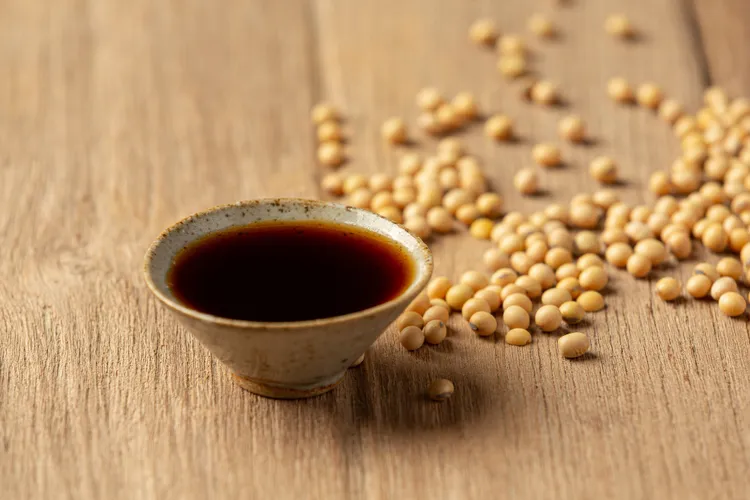
Anchovies vs Fish Sauce vs Soy Sauce
All three add umami, but they behave differently.
Anchovies
-
rich and rounded,
-
dissolve into cooking fat,
-
subtle background flavor.
Best for cooking bases.
Fish Sauce
-
sharper aroma,
-
liquid seasoning,
-
stronger presence.
Often added late in cooking.
Soy Sauce
-
fermented depth,
-
salt-forward seasoning.
Works across many cuisines.
Anchovies are unique because they melt directly into food structure.
The Proper Way to Cook With Anchovies
Technique matters more than quantity.
Step-by-Step Method
-
Heat olive oil or butter gently.
-
Add chopped anchovy fillets or paste.
-
Stir until they dissolve.
Within seconds, they disappear.
Now the cooking fat carries umami flavor throughout the dish.
Garlic or onions added afterward absorb this richness.
Where Anchovies Make the Biggest Difference
This is where home cooks see immediate results.
Tomato Sauces That Taste Slow-Cooked
Tomatoes already contain natural glutamates.
Anchovies amplify them.
Add one or two fillets while sautéing garlic or onions.
Result:
-
deeper flavor,
-
less acidity,
-
richer sauce without longer cooking.
Many Italian-style sauces quietly rely on this method.
Vegetable Dishes That Stop Tasting Flat
Vegetables sometimes lack savory depth.
Anchovies solve that instantly.
Excellent with:
-
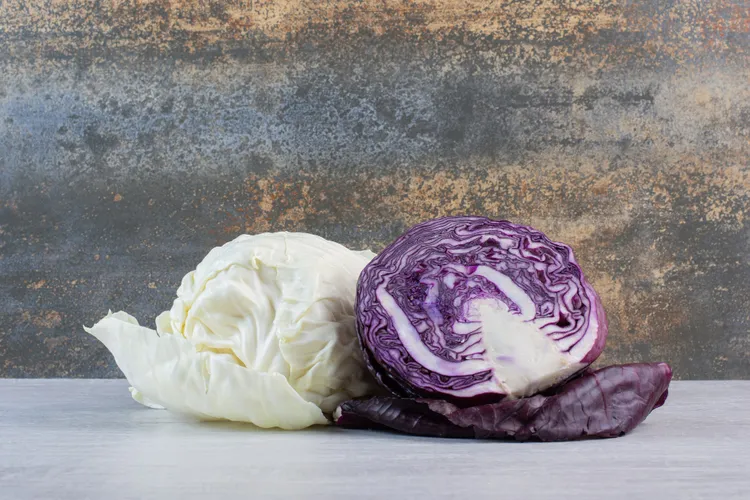
cabbage,
-
broccoli,
-
spinach,
-
roasted cauliflower,
-
green beans.
They enhance vegetables without overpowering freshness.
Pasta That Needs Almost Nothing Else
Simple pasta dishes benefit enormously.
Example approach:
Olive oil + garlic + anchovy + chili flakes.
Add pasta water and herbs.
The anchovy melts into a silky sauce base.
Minimal ingredients, maximum flavor.
Soups and Stews
Adding anchovy early strengthens broth complexity.
Especially useful in:
-
lentil soup,
-
vegetable stew,
-
beef dishes,
-
bean soups.
It mimics long simmering.
Anchovy Paste vs Whole Fillets
Both work well.
Fillets in Oil
Best flavor and texture.
Ideal when cooking frequently.
Anchovy Paste
Convenient and fast.
Easy portion control.
Excellent for dressings or quick sauces.
Keep paste refrigerated after opening.
How Much Should You Use?
Less than you think.
General guideline:
-
1-2 fillets for a full pan of sauce or vegetables.
You should not clearly taste anchovy.
If you do, reduce next time.
Anchovies should support flavor, not dominate it.
Common Anchovy Fears (And Why They’re Mostly Wrong)
“It Will Taste Fishy”
Properly cooked anchovies dissolve completely.
Flavor becomes savory, not seafood-forward.
“My Family Won’t Like It”
Most people already enjoy anchovy-based dishes unknowingly.
“It’s Too Salty”
Reduce added salt slightly.
Anchovies season food naturally.
Unexpected Dishes That Benefit From Anchovies
Many cooks overlook these.
Roasted Potatoes
Mash anchovy into oil before roasting.
Crispy, savory result.
Salad Dressings
Classic vinaigrettes gain depth instantly.
Butter Sauces
Anchovy + butter creates powerful finishing sauces for vegetables.
Meat Cooking
Enhances braised beef or lamb flavor quietly.
Storage Tips for Home Kitchens
Anchovies last longer than expected.
After opening:
-
keep submerged in oil,
-
refrigerate tightly sealed.
They can remain usable for weeks.
Some cooks freeze extra fillets individually.
The Chef Mindset: Flavor Layers Matter
Professional cooking often builds flavor step by step.
Anchovies form part of the foundation layer.
Instead of adding stronger spices later, chefs strengthen flavor early.
That creates balance rather than intensity.
The 10-Second Flavor Upgrade Trick
If a savory dish tastes:
-
flat,
-
slightly dull,
-
missing richness,
try dissolving half an anchovy into warm oil and mixing it in.
The improvement is often immediate.
Small Ingredient, Major Impact
Anchovies may never become the most visible ingredient in your kitchen - and that’s exactly the point.
Their strength lies in invisibility.
They deepen sauces, improve vegetables, strengthen soups, and create the kind of satisfying flavor people associate with restaurant cooking.
For home cooks looking to build richer meals without adding complexity, anchovies might be one of the smartest ingredients to keep nearby.
Sometimes the best flavor in a dish is the one nobody notices - but everyone enjoys.