Parmesan Rind Uses - The Flavor Booster Most Home Cooks Throw Away
Most home cooks grate Parmesan, wrap the remaining piece, and eventually discard the hard rind. But in professional kitchens, that rind is treated as a valuable ingredient rather than waste. Packed with concentrated flavor, Parmesan rinds quietly transform soups, sauces, and slow-cooked dishes with almost no extra effort.
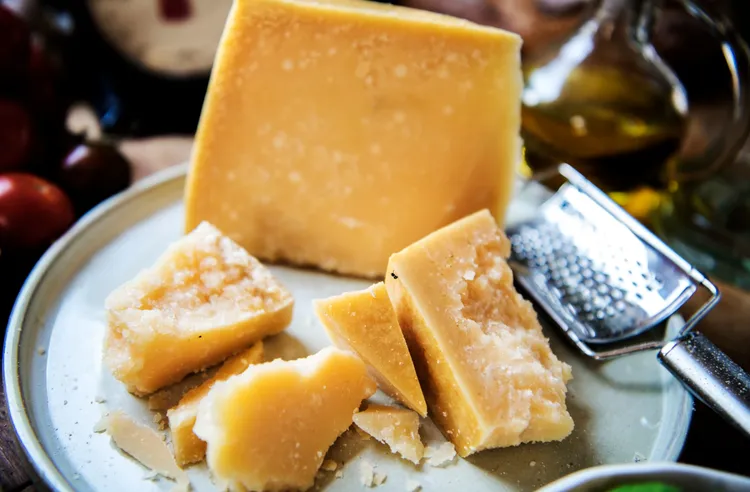
If you cook regularly with Parmesan cheese, you’ve probably encountered the same moment.
The cheese becomes too small to grate easily, leaving behind a hard outer edge that seems impossible to use.
Many people throw it away.
Chefs almost never do.
That firm Parmesan rind contains concentrated aged cheese flavor developed over months - sometimes years - of maturation. When simmered slowly, it releases savory depth similar to long cooking or expensive ingredients.
In simple terms:
It turns everyday food into richer food.
And it does so quietly.
What Exactly Is a Parmesan Rind?
The rind forms naturally during aging.
It’s not wax or plastic like some cheeses.
Authentic Parmesan-style cheeses develop a hardened outer layer as moisture evaporates during aging.
This rind contains:
-
salt,
-
fats,
-
proteins,
-
fermented flavor compounds.
While too tough to eat directly, it becomes incredibly useful during cooking.
Why Parmesan Rinds Add So Much Flavor
Aged cheeses are naturally rich in glutamates - compounds responsible for umami.
When simmered in liquid, the rind slowly releases:
-
savory richness,
-
subtle saltiness,
-
creamy background flavor.
Think of it as a slow-dissolving seasoning block.
Unlike grated cheese, it enhances food without making dishes heavy or overly cheesy.
The Golden Rule: How to Use Parmesan Rinds Properly
Parmesan rinds work best with moisture and time.
Basic method:
-
Add rind to liquid-based dishes.
-
Simmer gently.
-
Remove before serving.
During cooking, the rind softens and releases flavor gradually.
Some cooks even scrape the softened interior afterward - an extra bonus.
1. The Classic Use: Soups That Taste Slow-Cooked
This is where Parmesan rinds shine most.
Add one rind while simmering soup.
Perfect for:
-
vegetable soup,
-
lentil soup,
-
minestrone,
-
bean soup,
-
tomato-based soups.
Why It Works
Soups absorb flavor evenly over time.
The rind enriches broth without overpowering vegetables.
Many Italian home kitchens rely on this exact trick.
2. Beans That Taste Richer Without Meat
Beans sometimes taste flat despite seasoning.
A Parmesan rind changes that.
Add during cooking or simmering.
Works beautifully with:
-
white beans,
-
chickpeas,
-
cannellini beans,
-
lentils.
Result:
Creamier texture and deeper flavor - even in vegetarian meals.
3. Pasta Sauces With More Depth
Tomato sauces benefit enormously.
Drop a rind into simmering sauce for 20-30 minutes.
The sauce develops:
-
rounded acidity,
-
savory richness,
-
longer-cooked flavor.
Especially useful for quick weeknight sauces.
4. Risotto Upgrade Without Extra Cheese
Risotto already uses Parmesan, but the rind adds background flavor earlier.
Add rind while cooking stock or directly into risotto.
Remove before serving.
The flavor becomes layered rather than sharp.
5. Vegetable Braises and Stews
Vegetables absorb umami beautifully.
Try adding Parmesan rind to:
-
braised cabbage,
-
zucchini stews,
-
spinach dishes,
-
roasted vegetable ragouts.
It bridges sweetness and savoriness naturally.
6. Homemade Stock Enhancement
Even simple vegetable stock improves dramatically.
Add rind alongside:
-
onions,
-
carrots,
-
celery,
-
herbs.
The result tastes fuller without meat.
A favorite trick for plant-forward cooking.
7. Creamy Sauces Without Extra Cream
Parmesan rind adds richness without heaviness.
Useful in:
-
mushroom sauces,
-
potato dishes,
-
creamy soups.
Because flavor develops slowly, sauces taste balanced rather than overly cheesy.
8. The Crispy Snack Surprise
Few home cooks know this one.
Some rinds can be roasted or pan-heated until puffed.
Cut into small pieces and bake briefly.
Result:
Crunchy, savory bites similar to cheese crisps.
Texture depends on rind thickness and cheese type.
9. Flavoring Grains and Rice
Cooking grains in flavored liquid changes everything.
Add rind when cooking:
-
rice,
-
farro,
-
barley,
-
quinoa.
The grains absorb subtle cheese flavor without needing heavy sauces later.
Parmesan Rind vs Adding Grated Cheese
Both work differently.
Grated Parmesan
Adds immediate flavor and creaminess.
Parmesan Rind
Builds background depth slowly.
Using both often produces the best results.
How to Store Parmesan Rinds
Smart cooks save them intentionally.
After finishing cheese:
-
wrap rind tightly,
-
store in freezer-safe bag,
-
freeze until needed.
They last for months.
No thawing required before cooking.
How Many Rinds Should You Use?
Usually:
1 rind per pot or large dish.
Too many can oversalt food.
Taste before adding extra salt later in cooking.
Common Mistakes to Avoid
Throwing Them Away
Biggest missed opportunity.
Adding to Dry Cooking
Rinds need liquid to release flavor.
Forgetting to Remove Them
Texture stays tough.
Remove before serving.
Using Wax-Coated Cheese Rinds
Only natural aged cheese rinds work.
The Zero-Waste Kitchen Advantage
Using Parmesan rinds also reduces food waste.
Instead of discarding usable flavor, you extend the ingredient’s life across multiple meals.
Many sustainable kitchens follow this principle naturally.
Better flavor and less waste go together.
A Simple Flavor Habit Worth Learning
Professional cooking often relies on small background techniques rather than dramatic ingredients.
Parmesan rinds are one of those quiet upgrades.
They don’t change the identity of a dish.
They simply make it taste more complete.
The Ingredient You Already Paid For
Cooking smarter sometimes means noticing what others overlook.
That hard Parmesan edge sitting in your refrigerator isn’t kitchen waste - it’s concentrated flavor waiting to be used.
Dropped into soups, sauces, beans, or vegetables, it adds depth that normally takes hours to develop.
For home cooks looking to make everyday meals richer without extra cost or effort, saving Parmesan rinds might be one of the easiest upgrades you can start today.