A History of Ghee: From Ayurveda to Modern Kitchens
Ghee has traveled a long and fascinating journey - from sacred rituals and Ayurvedic healing to TikTok recipes and modern wellness trends. This golden ingredient isn’t just food; it’s history, tradition, and science all melted together. Let's explore how ghee evolved through centuries to become the beloved staple it is today.

Ghee has a way of feeling both ancient and wonderfully current - an ingredient that has traveled from sacred rituals and traditional healing to Instagram reels and upscale restaurant menus. Its rich aroma, golden color, and unmistakably luxurious flavor make it more than just clarified butter; it’s a culinary symbol with a story that stretches thousands of years. When you spoon ghee into a pan, you’re not just cooking - you’re taking part in one of the longest-running food traditions in human history, one that continues to evolve beautifully in today’s modern kitchens.
The history of ghee begins in the Indian subcontinent, where it first emerged out of necessity. In ancient times, without refrigeration or reliable storage, butter would spoil in warm climates. Clarifying it - slowly simmering butter until the water evaporated and the milk solids separated - created a pure, shelf-stable fat that stayed fresh for months. What started as a practical solution quickly became a culinary treasure. Ghee wasn’t just a way to preserve butter; it developed into a food that carried cultural, medicinal, and spiritual significance. Its long shelf life and deep flavor made it an essential ingredient in early cooking traditions, where it was used generously in everything from hearty dals to sweetened rice dishes.
But ghee’s importance extended well beyond the kitchen. Ayurveda, one of the world’s oldest systems of holistic healing, embraced ghee as a cornerstone of health. It was believed to nourish the body, calm inflammation, support digestion, and balance the doshas - Ayurveda’s three elemental energies. Healers used ghee as both medicine and medium: it was infused with herbs to create potent remedies, drizzled into warm milk to soothe the gut, and used in cleansing rituals meant to remove impurities from the body. In Ayurvedic thinking, ghee wasn’t just food; it was a vehicle for vitality and longevity. Its purity symbolized clarity, strength, and the inner warmth essential to good health.
This spiritual and medicinal reverence flowed into cultural rituals as well. In Hindu ceremonies, ghee has long been used in lamps, offerings, and sacred fires. Its ability to burn cleanly symbolized purity and devotion, making it a bridge between the material and the divine. Even today, many households light ghee lamps during festivals, believing that the golden glow carries blessings into the home. Few ingredients manage to hold such a deep connection to both everyday life and sacred tradition, and yet ghee continues to do so effortlessly.
In the culinary world, ghee remained beloved because of its uniquely high smoke point and rich, nutty flavor. Where butter burns quickly, ghee stays stable - even at high heat - making it ideal for frying, sautéing, and tempering spices. In Indian kitchens, it became the backbone of countless regional dishes. A spoonful of ghee sizzling with cumin seeds or mustard seeds can transform the aroma and depth of a curry. Drizzled on steaming rice, swirled into lentils, or brushed onto hot chapatis, ghee adds richness without heaviness. For centuries, cooks viewed it as an ingredient that brought warmth and nourishment to every dish it touched.
But ghee’s story didn’t stay contained to the subcontinent. Over time, traders, travelers, and migration carried ghee into the Middle East, Africa, and Southeast Asia, where it gained new roles and interpretations. In Ethiopia, for example, niter kibbeh - spiced clarified butter - became a signature ingredient with its own identity. In the Middle East, clarified butter found its way into pastries and rice dishes, appreciated for its stability and aromatic depth. Each region adapted the concept of clarified butter to fit local tastes, but the essence remained the same: a pure, flavor-rich fat with extraordinary versatility.
In recent decades, ghee entered yet another chapter - this time in Western kitchens. As interest in global flavors, traditional practices, and “clean eating” grew, ghee found itself at the center of modern food trends. Paleo, Whole30, and keto lifestyles celebrated ghee for being lactose-free, shelf-stable, and rich in healthy fats. Home cooks loved its ability to transform simple vegetables or eggs into something far more indulgent. Chefs began using it in pastries, sauces, and grilled dishes to impart subtle caramel notes. Suddenly, what was once a staple of Indian households became a pantry essential for people around the world.
Modern ghee producers have responded creatively, offering infused varieties with garlic, turmeric, chilies, or herbs - flavors that blend ancient tradition with contemporary convenience. You’ll find jars of ghee in mainstream supermarkets, health food stores, and farmers markets, often nestled between oils and artisanal butters. Even dairy-free versions made from coconut or avocado oil mimic the aroma of traditional ghee, bringing this storied ingredient to plant-based diets as well. Today, ghee has become a symbol of culinary fusion: a traditional staple thriving in a global, modern context.
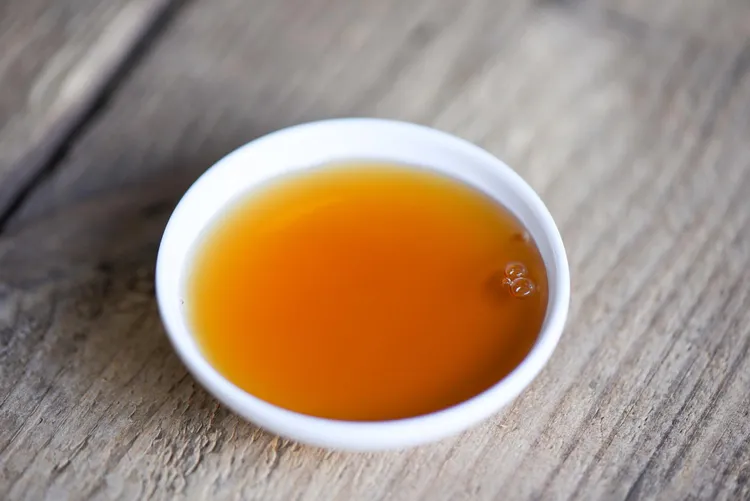
And yet, despite all these evolutions, ghee remains most beloved for what it has always been - a flavor enhancer, a comfort food, a source of nourishment, and a link to centuries of cooking wisdom. Making ghee at home still feels almost meditative: watching butter slowly melt, hearing it sizzle as moisture evaporates, and seeing the clear golden liquid emerge from the foamy surface. The aroma fills the kitchen with warmth and nostalgia, no matter where you come from. It’s a reminder that some foods endure not because they are trendy, but because they are timeless.
The story of ghee is ultimately the story of how food travels - through culture, healing traditions, trade routes, and the rhythms of everyday life. It’s a testament to how a single ingredient can carry thousands of years of history yet feel completely at home in a modern skillet. Whether you swirl it into hot rice, drizzle it over roasted vegetables, or simply enjoy its fragrance melting on fresh bread, you are participating in a culinary lineage that continues to thrive. Ghee has lasted for millennia because it is both useful and beautiful - a rare combination that keeps it glowing brightly in kitchens around the world.
Latest