Meal Prep Burnout Is Real - Here’s How to Cook Healthy Without Spending Your Whole Sunday in the Kitchen
Meal prep is supposed to make life easier - yet for many people it turns into a weekly cooking marathon followed by days of repetitive meals. The problem isn’t your discipline; it’s the rigid all-or-nothing approach. Here’s how to cook healthy all week using flexible prep strategies that actually fit real life.

The Problem With Traditional Meal Prep (That No One Talks About)
Meal prep promises control. Cook once, eat all week. Save money. Eat healthier. Avoid takeout.
So why does it so often end in a Wednesday night stare-down with a container of dry chicken and roasted broccoli?
Meal prep burnout isn’t about laziness. It’s about friction. The classic “cook five full meals on Sunday” approach asks you to:
-
Predict exactly what you’ll want days from now
-
Spend hours batch cooking
-
Eat near-identical meals repeatedly
-
Accept declining texture and flavor
That’s not a motivation problem. That’s a system problem.
If you want to cook healthy without burning out, the solution isn’t abandoning prep entirely. It’s rethinking what prep means.
Why Meal Prep Burnout Happens
Before fixing it, it helps to understand why it fails.
1. Food Fatigue Is Real
Humans crave novelty. Eating the same fully assembled meal four or five times triggers boredom quickly - even if it tasted great on day one.
2. Texture Degrades Faster Than Flavor
Proteins dry out. Roasted vegetables soften. Crisp elements lose structure. Even well-seasoned food becomes less satisfying as texture declines.
3. It Assumes a Predictable Week
Energy fluctuates. Plans change. Cravings shift. A rigid meal plan doesn’t adapt.
4. All-or-Nothing Thinking
If you don’t prep everything, it feels like failure. So when Sunday prep doesn’t happen, the whole week derails.
The fix? Stop prepping full meals. Start prepping leverage.
How to Cook Healthy Without Meal Prep Burnout
1. Prep Ingredients, Not Meals
Instead of assembling five complete dishes, prepare versatile building blocks.
Think:
-
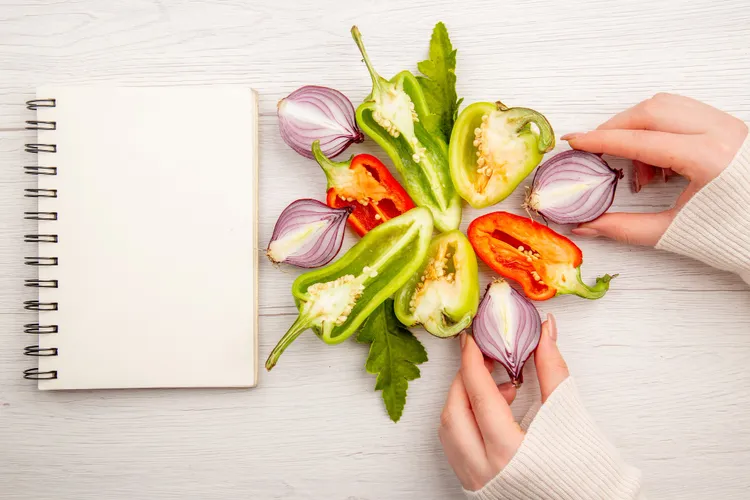
Washed and chopped vegetables
-
Cooked grains (rice, farro, quinoa)
-
A simple sauce or dressing
-
One or two proteins
-
A batch of beans or lentils
This works because ingredients stay flexible. Grilled chicken can become tacos Monday, grain bowls Tuesday, soup Wednesday. The flavor profile changes, even if the base protein doesn’t.
You reduce decision fatigue without locking yourself into repetition.
2. Cook in Components That Mix and Match
The goal is optionality.
Example component setup for the week:
-
Roasted vegetables: carrots, sweet potatoes, broccoli
-
Neutral protein: shredded chicken or baked tofu
-
Bold sauce: chimichurri or tahini dressing
-
Cooked grain: brown rice or couscous
Now you can build:
-
Grain bowls
-
Wraps
-
Salads
-
Stir-fries
-
Quick soups
Same components. Different experience.
When flavors shift - through spices, acidity, or texture contrast - your brain perceives it as a new meal.
3. Repeat Formulas, Not Recipes
Instead of eating the same dish five times, repeat a structure:
-
Grain + vegetable + protein + sauce
-
Pasta + greens + fat + crunch
-
Eggs + vegetable + starch
-
Soup + bread + salad
Formulas eliminate guesswork while allowing variety.
For example:
-
Monday: rice + roasted vegetables + chicken + tahini
-
Tuesday: rice stir-fried with vegetables + egg + soy sauce
-
Wednesday: rice added to a quick tomato soup
Same grain. Completely different experience.
4. Choose Recipes That Improve Over Time
Not all foods are equal when it comes to leftovers.
Dishes that improve:
-
Stews
-
Curries
-
Chili
-
Braised meats
-
Marinated bean salads
Why? Time allows flavors to meld. Spices hydrate. Proteins absorb seasoning. These dishes often taste better on day two or three.
In contrast:
-
Delicate fish
-
Crispy roasted vegetables
-
Fried foods
-
Leafy green salads
These decline quickly.
Strategic cooking means saving batch cooking for foods that benefit from it.
5. Stop Cooking for Seven Days at Once
One reason meal prep feels overwhelming? Scale.
Cooking for five to seven days is a big commitment. Instead, try:
-
Prep for 2-3 days max
-
Midweek 20-minute refresh
-
Double one dinner for planned leftovers
Shorter cycles reduce burnout and increase adaptability.
You don’t need a refrigerator full of containers to feel prepared.
6. Embrace “Strategic Leftovers”
Leftovers feel boring when they’re eaten exactly as-is.
They feel intentional when transformed.
Examples:
-
Roasted vegetables → blended into soup
-
Grilled chicken → chopped into quesadillas
-
Cooked beans → mashed into spreads
-
Extra rice → fried rice or rice pancakes
Transformation adds novelty without adding much effort.
The key is thinking in raw materials, not finished plates.
7. Make Texture the Priority
Texture is often what makes leftovers disappointing.
Add contrast right before serving:
-
Fresh herbs
-
Toasted nuts or seeds
-
Citrus zest
-
Quick pickled onions
-
Yogurt or crema
These small additions wake up reheated food instantly.
A squeeze of lemon can do more for a tired grain bowl than reheating ever will.
8. Build a “Low-Effort Emergency Meal” List
Burnout often leads to takeout because there’s no backup plan.
Create a short list of meals requiring minimal effort:
-
Pasta with olive oil, garlic, and frozen greens
-
Eggs and toast with sautéed spinach
-
Canned beans simmered with tomatoes and spices
-
Store-bought rotisserie chicken with salad
These aren’t failures. They’re pressure valves.
Having defaults prevents burnout from becoming abandonment.
A Sample Burnout-Free Week
Here’s what this could look like in practice:
Sunday (45-60 minutes total):
-
Cook a pot of rice
-
Roast two trays of mixed vegetables
-
Make lemon-tahini dressing
-
Cook a simple batch of shredded chicken or baked tofu
Monday: Grain bowl with rice, vegetables, protein, dressing
Tuesday: Wraps with same ingredients + hot sauce
Wednesday: Fried rice with egg and leftover vegetables
Thursday: Quick soup using rice and vegetables + fresh herbs
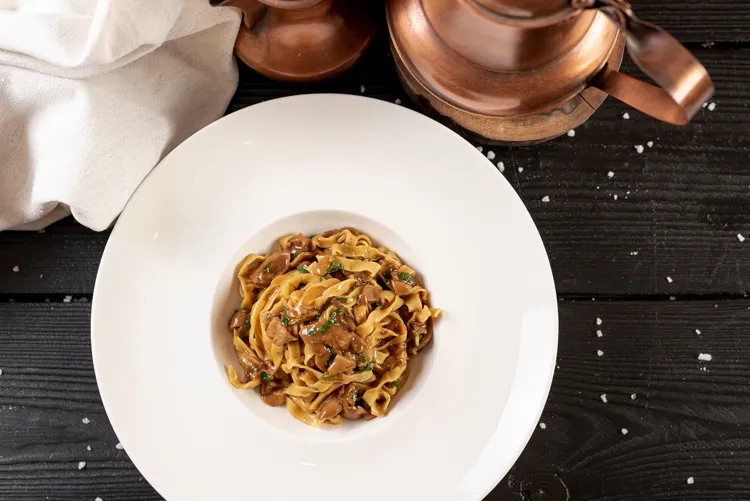
Friday: Fresh pasta night (using pantry staples)
Minimal repetition. No marathon cooking session.
Rethinking What “Meal Prep” Means
Meal prep culture often promotes aesthetic rows of identical containers. But efficiency isn’t about uniformity. It’s about flexibility.
Cooking without burnout means:
-
Reducing rigidity
-
Increasing adaptability
-
Prioritizing flavor and texture
-
Keeping prep small and strategic
The goal isn’t to win Sunday. It’s to make Wednesday easier.
When you shift from “cook everything in advance” to “create options in advance,” cooking stops feeling like a chore and starts feeling manageable again.
And that’s when healthy eating becomes sustainable - not because you forced it, but because your system finally works with your life instead of against it.
Latest