The small mistake that changes texture, moisture, and flavor
Most people think seasoning is about quantity.
Too salty. Not salty enough.
But professional cooks focus on something else entirely: timing.
Salt doesn’t simply sit on food.
It pulls water, changes proteins, alters structure, and controls browning.
That means the moment you add salt determines whether food becomes juicy, dry, crisp, or limp.
This is why a perfectly seasoned dish can still taste disappointing - and why small adjustments suddenly make home cooking feel restaurant-level.
What Salt Actually Does to Food
Salt triggers three important reactions:
-
Draws moisture outward
-
Dissolves proteins
-
Enhances flavor perception
Whether those reactions help or hurt depends entirely on when they occur.
Meat: Early vs Late Salting
Salting Right Before Cooking
Result:
-
moisture pulled to surface
-
steaming instead of searing
-
grey crust
-
dry interior
Salting 40-60 Minutes Before Cooking
Result:
-
moisture first leaves, then reabsorbs
-
proteins loosen
-
better browning
-
juicier texture
Why This Works
Salt initially extracts water.
After time passes, the salted liquid returns inside - carrying seasoning with it.
This is dry brining, and it changes everything.
Best practice:
Salt meat at least 45 minutes before cooking or immediately before cooking - never in between.
Vegetables: The Soggy vs Crisp Problem
Vegetables contain far more water than meat.
Salt timing controls whether they roast or steam.
Early Salting Before High Heat
Good for:
-
eggplant
-
zucchini
-
mushrooms
These release excess water → better browning.
Early Salting Before Salad
Bad idea:
-
cucumbers
-
tomatoes
-
lettuce
They collapse and leak liquid.
The Rule
Salt cooking vegetables early.
Salt raw vegetables late.
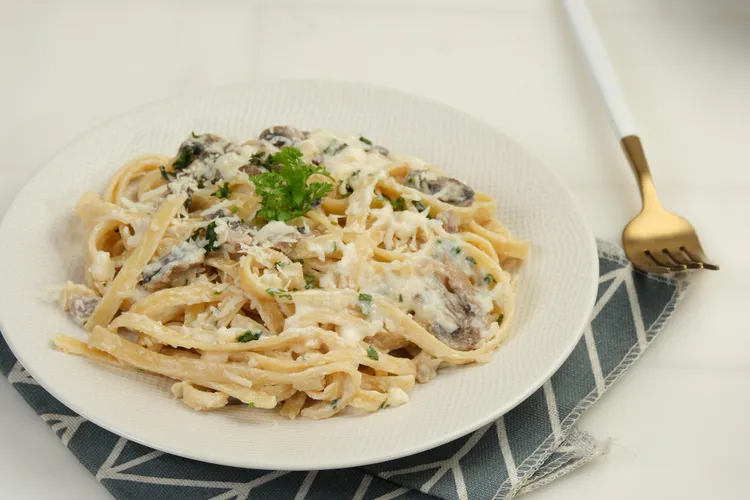
Pasta Water: Why Timing Matters
Adding salt after pasta cooks only coats the exterior.
Salting the water before cooking seasons internally.
The Difference
| Method | Result |
|---|---|
| Salt after cooking | surface flavor only |
| Salt water before boiling | seasoned throughout |
Salt dissolves into starch while pasta hydrates - this cannot be replicated later.
Eggs: The Texture Trap
Eggs are extremely sensitive to salt timing.
Salt Before Cooking Scrambled Eggs
-
proteins loosen
-
creamier texture
-
softer curds
Salt After Cooking
-
firmer
-
sometimes watery
But fried eggs behave differently.
Salt too early → white spreads thin
Salt after setting → neat shape
Beans and Legumes: The Old Myth
People often avoid salting beans early, fearing toughness.
Actually the opposite happens.
Salted soaking water:
-
softens skins
-
cooks evenly
-
improves texture
Unsalted beans burst and cook unevenly.
The Browning Rule (Most Important One)
Salt + time + heat = crust
Salt + heat immediately = steam
If water hasn’t evaporated before high heat, browning can’t begin.
This explains:
-
pale steak
-
soft roasted potatoes
-
soggy mushrooms
Salt controls moisture, and moisture controls browning.
Quick Timing Guide
| Food | When to Salt |
|---|---|
| Steak/chicken | 45 min before or right before |
| Roasting vegetables | before cooking |
| Fresh salad vegetables | after cutting, before serving |
| Pasta water | before boiling |
| Scrambled eggs | before cooking |
| Fried eggs | after whites set |
| Beans | during soaking/cooking |
Common Mistakes Home Cooks Make
Sprinkling at the table only
Flavor stays on surface
Salting during cooking without waiting
Moisture pools in pan
Adding salt to “fix flavor” late
Too salty but still bland
Salt must interact with food structure, not just taste buds.
Why Timing Improves Flavor Without Extra Salt
Correct timing distributes seasoning evenly.
You actually use less salt because it works more efficiently.
Better penetration = stronger perceived flavor.
Salt Is a Cooking Step, Not a Finishing Step
Great cooking isn’t about complicated recipes.
Often it’s about understanding one ingredient deeply.
Salt controls moisture.
Moisture controls texture.
Texture controls satisfaction.
Once you start salting at the right moment, food stops tasting flat - even before adding more ingredients.
The difference is subtle while cooking…
and obvious when eating.
One pinch, better timing, completely different results.