How to Cook for One Without Wasting Food: Smart Shopping, Storage & Meal Planning for Solo Home Cooks
Cooking for one sounds simple - until half your groceries spoil in the fridge. This guide shows practical, realistic ways to shop, store, cook, and repurpose food so you eat well every day without waste. It’s not about strict meal prep - it’s about cooking smarter.
The Complete Guide to Cooking for One Without Wasting Food
Cooking for one is surprisingly difficult. Most recipes feed four. Grocery packaging assumes families. Produce spoils before you finish it. And leftovers become repetitive fast.
So people fall into a cycle:
-
Buy ingredients with good intentions
-
Cook once
-
Refrigerate the rest
-
Forget it exists
-
Throw it away
Food waste isn’t just expensive - it quietly pushes people toward takeout, ultra-processed foods, or skipping meals entirely.
The good news: cooking for one isn’t about shrinking recipes.
It’s about designing a flexible system.
This article teaches you how to build a solo cooking workflow:
shop smarter → cook modular → store efficiently → reuse creatively
Why Cooking for One Is Hard (and How to Fix It)
The Core Problems
-
Grocery store quantities are oversized
-
Recipes assume multiple servings
-
Ingredients spoil at different speeds
-
Leftovers feel repetitive
-
Motivation drops after a long day
The Solution Mindset
Instead of thinking “What am I cooking tonight?”, think: “What ingredients can become 3-4 different meals?”
You stop cooking meals and start cooking components.
Strategy №1 - Shop Like a Minimalist, Not Like a Planner
Most food waste begins in the grocery cart.
The Solo Cook Shopping Rule
Buy ingredients that can transform across cuisines.
Instead of:
-
A recipe-specific shopping list
Choose:
-
A modular ingredient list
The 1-Week Solo Grocery Framework
Proteins (Pick 2):
-
Eggs
-
Chicken thighs
-
Ground meat
-
Canned beans
-
Tofu
-
Greek yogurt
-
Lentils
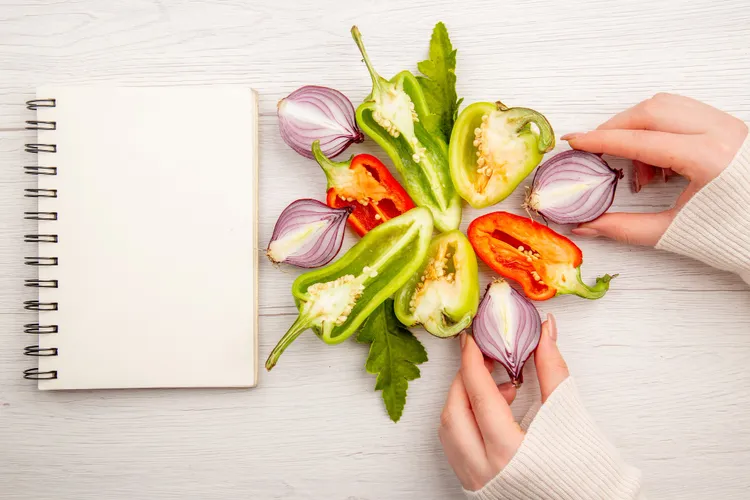
Vegetables (Pick 5-6 max):
Choose overlapping uses:
-
Onion
-
Garlic
-
Bell pepper
-
Carrots
-
Spinach
-
Tomatoes
-
Zucchini
-
Cabbage (extremely long shelf life)
Carbs (Pick 2):
-
Rice
-
Pasta
-
Potatoes
-
Tortillas
-
Bread (freeze half)
Flavor Builders (Always Keep):
-
Soy sauce
-
Vinegar
-
Lemon
-
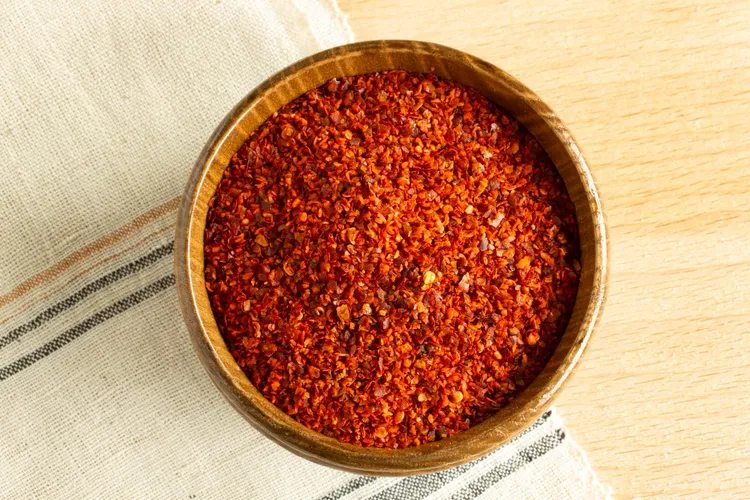
Chili flakes
-
Mustard
-
Olive oil
You now have ingredients for:
stir-fry • soup • tacos • omelet • grain bowl • salad • sandwich
Why This Works
Your brain gets bored of identical meals - not identical ingredients.
Changing format changes perception.
Chicken + rice:
-
Bowl → comforting
-
Soup → light
-
Wrap → snack
-
Fried rice → completely different
Strategy №2 - Cook Components, Not Recipes
Traditional cooking: One recipe = one meal
Solo cooking: One prep session = multiple meals
The 60-Minute Prep Method
Cook once every 3-4 days:
Step 1 - One Protein
Bake or pan cook:
-
2 chicken thighs OR
-
1 cup lentils OR
-
200g ground meat
Step 2 - One Carb
Cook:
-
1 cup rice OR
-
2 potatoes OR
-
small pasta batch
Step 3 - One Vegetable Mix
Sauté:
onion + carrot + pepper
Store separately.
Now you can assemble meals in 5 minutes.
Meal Transformations (Example Week)
| Day | Meal |
|---|---|
| Mon | Rice bowl with chicken & vegetables |
| Tue | Chicken wrap with yogurt sauce |
| Wed | Fried rice |
| Thu | Vegetable soup with shredded chicken |
| Fri | Omelet with leftover filling |
No repetition - no extra cooking.
Strategy №3 - Master Food Storage (The Real Secret)
Bad storage causes most waste - not bad planning.
The Container Rule
Store foods by function, not by meal.
Wrong: “Chicken stir-fry leftovers”
Correct: Chicken / cooked vegetables / rice
You can recombine endlessly.
Shelf Life Cheat Sheet
| Food | Fridge | Freezer |
|---|---|---|
| Cooked rice | 4 days | 1 month |
| Cooked chicken | 4 days | 3 months |
| Soup | 4 days | 3 months |
| Bread | 5 days | 3 months |
| Herbs | 7-14 days (in jar water) | Chop & freeze |
The Freeze-Immediately Rule
If you won’t eat it in 72 hours → freeze it now.
You’re preserving quality, not just safety.
Strategy №4 - Learn the 5 Solo “Base Meals”
Memorize these and you’ll never need recipes.
1) The Bowl Formula
Carb + protein + vegetable + sauce
Examples:
-
Rice + eggs + spinach + soy sauce
-
Potatoes + beans + yogurt + chili oil
Works because: balanced nutrition + fast assembly
2) The Scramble
Everything tastes good with eggs.
Use aging vegetables here first.
3) The Soup Reset
The ultimate anti-waste meal.
Add:
water + seasoning + leftovers
Soup rescues:
dry meat • limp vegetables • extra rice
4) The Wrap
Wraps disguise repetition.
Taco seasoning = Mexican
Soy sauce = Asian
Mustard = European deli
Same ingredients → new meal.
5) The Fried Rice Rule
If it’s edible, it’s fryable.
Cold rice + leftovers + egg = new dish
Strategy №5 - Cook Smaller (Without Math)
Halving recipes often fails because cook times and textures change.
Instead:
Cook With Visual Portions
-
Meat: palm size
-
Rice: ½ mug dry
-
Pasta: coin-size bundle
-
Vegetables: 2 handfuls
You’ll naturally make 1-2 servings.
Strategy №6 - Prevent Produce Death
Vegetables don’t spoil randomly - they follow patterns.
Fast Spoilers (Use First)
Spinach • herbs • mushrooms • berries
Medium
Peppers • zucchini • cucumbers
Long Lasting
Carrots • cabbage • onions • potatoes
Plan meals in that order.
Strategy №7 - Build a “Leftover Map”
Instead of guessing meals, plan ingredient lifecycles.
Example:
Roast chicken →
Day 1: plate
Day 2: sandwich
Day 3: soup
Day 4: fried rice
You remove decision fatigue - the biggest cause of takeout.
Comparing Approaches: What Actually Works?
| Method | Pros | Cons |
|---|---|---|
| Daily cooking | Fresh meals | Exhausting |
| Full meal prep | Efficient | Boring |
| Takeout rotation | Easy | Expensive |
| Component cooking (best) | Flexible, low waste | Requires small planning |
Practical Weekly Plan (Realistic Solo Routine)
Sunday (30 min):
Cook protein + carb + vegetables
Midweek (10 min):
Make soup or fried rice
Friday:
Finish leftovers in wraps or omelet
You cooked 3 times - ate 7 days.
Extra Pro Tips
-
Freeze bread slices individually
-
Keep a “use-me box” in fridge
-
Label with date (not memory)
-
Buy smaller produce more often
-
Use sauces to change cuisine instantly
-
Keep 2 emergency freezer meals
The Goal Isn’t Perfection, It’s Flow
Cooking for one stops being frustrating when you stop chasing recipes and start managing ingredients.
You don’t need complicated meal prep.
You need a system that adapts to energy, appetite, and schedule.
The secret formula:
Flexible ingredients + modular cooking + smart storage = zero waste cooking
Once you shift your mindset from meals to components, cooking becomes easier, cheaper, and surprisingly creative.
You’ll cook more.
Eat better.
And throw almost nothing away.
Latest