Eating With the Seasons (Without Rules): A Practical Guide to Seasonal Cooking for Real Home Cooks
Seasonal eating sounds ideal - fresher food, better flavor, lower cost - but it often feels restrictive. This guide removes the pressure and shows how to cook with the seasons in a flexible, realistic way. No rules, no rigid meal plans - just smarter cooking habits.
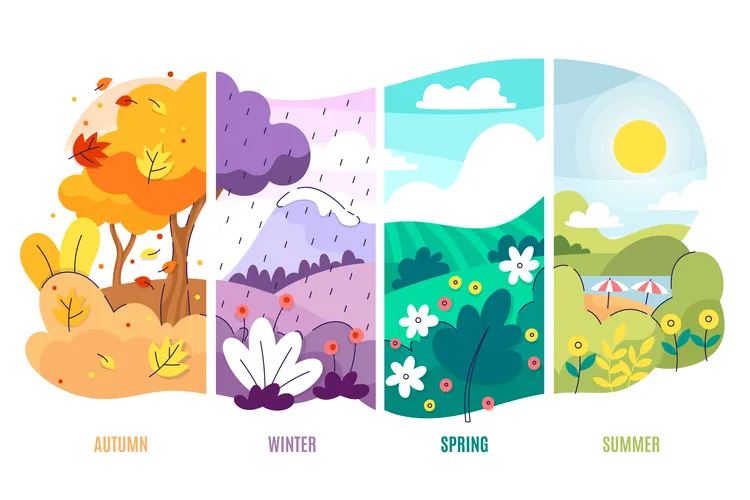
Most people assume seasonal eating means farmers markets, complicated recipes, and memorizing harvest calendars.
That’s why they don’t do it.
But seasonal cooking isn’t a lifestyle - it’s simply paying attention to what food naturally does throughout the year. When you cook this way, three things quietly improve:
-
Flavor becomes stronger
-
Groceries cost less
-
Meals require less effort
Not because you tried harder - because ingredients cooperate.
This article explains how to eat seasonally without strict rules, guilt, or complicated planning. You don’t need to eliminate foods, follow a calendar, or shop perfectly. You just adjust your habits slightly so the seasons work for you instead of against you.
What Seasonal Eating Actually Means (And What It Doesn’t)
The Common Misunderstanding
People think seasonal eating means:
-
Only local produce
-
Weekly farmers market trips
-
Changing your entire diet every 3 months
That version fails for busy home cooks.
The Practical Definition
Seasonal eating simply means: Buy foods when they are easiest to grow, transport, and store.
That’s it.
You can still:
-
Use frozen vegetables
-
Buy imported ingredients
-
Cook favorite meals year-round
You’re just letting nature influence your defaults - not control them.
Why Seasonal Food Tastes Better (Real Reason)
Produce isn’t worse in winter because farmers forgot how to grow it.
It’s because plants have natural growth speeds.
When foods grow naturally:
-
They contain less water dilution
-
Sugars fully develop
-
Aromatics strengthen
Example:
Winter tomatoes are firm and watery
Summer tomatoes are soft and fragrant
You don’t need better cooking skills - you need cooperative ingredients.
The Flexible Seasonal Method
Instead of memorizing produce calendars, follow this simple rule: Keep your cooking style stable. Rotate your ingredients.
Your meals stay familiar - only the vegetables change.
Example: One Meal Across Four Seasons
Basic meal: Protein + vegetable + carb + sauce
| Season | Version |
|---|---|
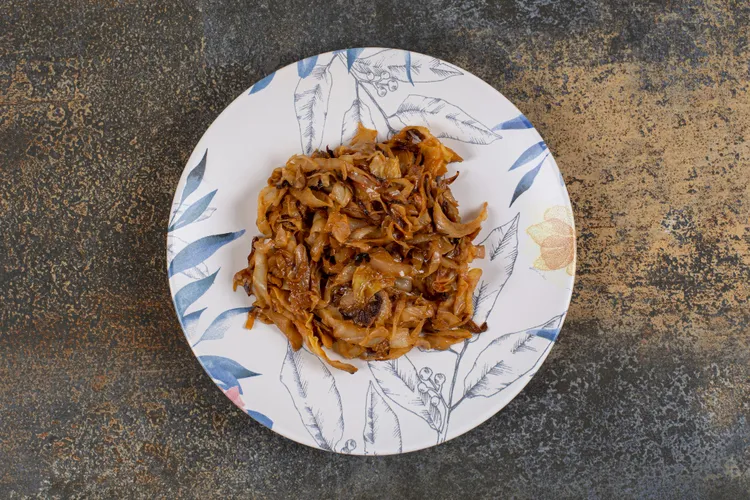
| Winter | Roasted potatoes, cabbage, chicken |
| Spring | Eggs, asparagus, toast |
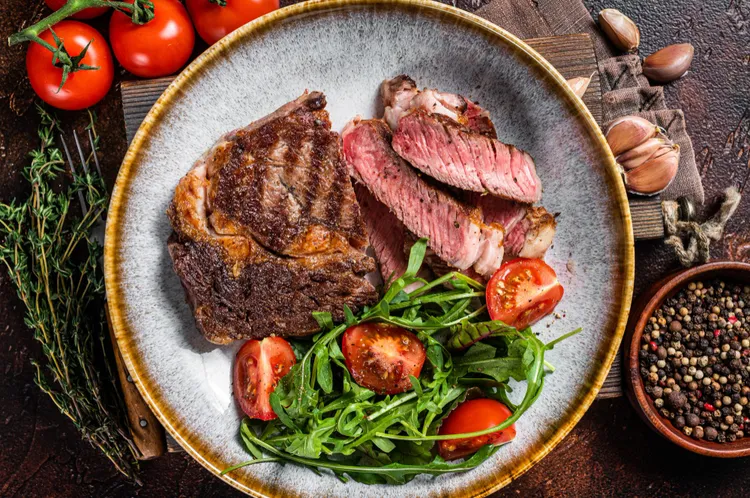
| Summer | Tomato, cucumber, grilled meat |
| Autumn | Squash, mushrooms, rice |
You didn’t change cuisine - only produce.
That’s sustainable seasonal cooking.
The Four Seasonal Cooking Modes
Your kitchen naturally shifts throughout the year. Instead of resisting it, lean into it.
Winter - Cook Deep
Goal: Warmth, density, comfort
Cook longer, slower, wetter:
-
Soups
-
Stews
-
Roasting
-
Braising
Why it works:
Cold weather increases appetite for calorie-dense foods and decreases produce quality. Cooking extracts flavor from hardy ingredients.
Best vegetables:
cabbage • carrots • onions • potatoes • beets
Spring - Cook Fresh
Goal: Lightness, brightness
Cook quickly:
-
Eggs
-
Light sautés
-
Simple pastas
Why it works:
New vegetables contain more water and delicate flavor compounds destroyed by long cooking.
Best vegetables:
peas • spinach • asparagus • herbs
Summer - Cook Less
Goal: Minimal heat
Use:
-
Raw dishes
-
Quick grilling
-
Assembly meals
Why it works:
Heat reduces appetite and increases produce sweetness - cooking becomes optional.
Best vegetables:
tomatoes • cucumbers • peppers • zucchini
Autumn - Cook Balanced
Goal: Transition
Mix fresh and slow cooking:
-
Roasted vegetables
-
Grain bowls
-
Pan meals
Why it works:
Starches mature and sugars deepen - ideal for caramelization.
Best vegetables:
pumpkin • squash • mushrooms • eggplant
Shopping Seasonally Without Checking a Calendar
You don’t need charts. Use the Display Test.
Grocery Store Clues
In season:
-
Large display piles
-
Discount pricing
-
Multiple varieties
-
Strong smell
Out of season:
-
Plastic packaging
-
Uniform appearance
-
High price
-
No aroma
Your senses replace research.
Frozen vs Fresh - Which Is More Seasonal?
Surprisingly, frozen is often more seasonal.
Vegetables are frozen at peak ripeness.
Fresh out-of-season produce is harvested early for transport.
Smart rule:
Fresh when local season
Frozen when not
This prevents both waste and disappointment.
The Seasonal Plate Method
Instead of planning meals, adjust proportions.
| Season | Plate Ratio |
|---|---|
| Winter | 50% carbs / 25% protein / 25% veg |
| Spring | 40% veg / 30% protein / 30% carbs |
| Summer | 50% veg / 25% protein / 25% carbs |
| Autumn | Balanced thirds |
You naturally crave these shifts - follow them instead of resisting.
Cooking the Same Recipes Year-Round (The Easy Way)
You don’t need new recipes every season.
You need interchangeable ingredients.
The Swap System
Pasta template
-
Winter: mushroom & cream
-
Spring: peas & herbs
-
Summer: tomato & olive oil
-
Autumn: squash & sage
Same method. New flavor identity.
The Soup Template
Water + aromatics + vegetable + protein
Change only the vegetable.
You’ll never run out of ideas again.
Why This Reduces Food Waste
Seasonal foods last longer because they are harvested closer to maturity and travel less distance.
Out-of-season produce spoils faster because:
-
picked early
-
stored longer
-
ripened artificially
You’re not just improving flavor - you’re extending shelf life.
The “No Rules” Seasonal Habit System
Instead of strict rules, use soft defaults:
-
Choose the cheapest vegetable first
-
Roast in winter, sauté in spring, raw in summer
-
Freeze extras immediately
-
Repeat favorite meals with different produce
-
Adjust portions, not recipes
Consistency beats perfection.
Comparing Approaches
| Approach | Result |
|---|---|
| Strict seasonal diet | Stressful |
| Ignoring seasons | Expensive & bland |
| Flexible seasonal cooking | Sustainable & easy |
The middle path works because it fits real life.
A Simple Weekly Routine
At the store:
-
Buy what looks abundant
-
Ignore what looks perfect but expensive
At home:
-
Cook the same way you always do
-
Let ingredients change the menu
No planning required.
Seasonal Eating Is About Cooperation
You don’t have to memorize harvest charts or redesign your kitchen every few months.
Seasonal eating works when it becomes invisible.
You keep your favorite meals.
You change the ingredients slightly.
Nature handles the rest.
Food tastes better because it wants to be eaten that way - and cooking becomes easier because you stopped fighting ingredients.
The goal isn’t purity.
It’s alignment.
Cook the same meals.
Let the year season them.