Build-Your-Own Comfort Bowl: The Easiest Way to Eat Well on Any Kind of Day
Some days call for real comfort - food that’s warm, filling, and reassuring without being complicated. That’s where the comfort bowl comes in. This guide will show you how to build your own comfort bowl, step by step, so you can create a meal that meets you exactly where you are, using whatever ingredients you have.
What Is a Comfort Bowl?
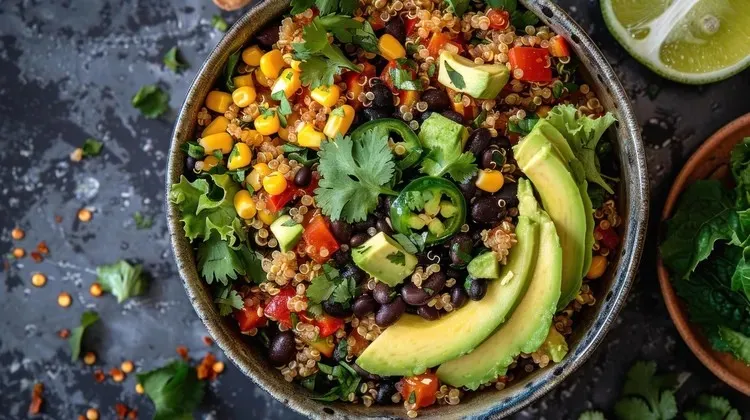
A comfort bowl is a customizable, all-in-one meal built in a bowl. It combines familiar flavors, nourishing ingredients, and flexible options - making it one of the easiest ways to eat well when energy, time, or motivation is low.
Unlike strict recipes, comfort bowls are:
-
Flexible
-
Forgiving
-
Emotionally satisfying
-
Easy to adapt
They work just as well on exhausted days as they do when you feel inspired.
Why Comfort Bowls Are So Satisfying
Comfort bowls work because they balance both physical and emotional needs.
A good comfort bowl usually includes:
-
A filling base
-
A satisfying protein
-
A comforting fat or sauce
-
Flavor and texture
This combination supports stable energy and deeper satisfaction.
How to Build Your Own Comfort Bowl (The Simple Formula)
You only need 4-5 elements. Think of this as a menu, not a rulebook.
1. Choose a Cozy Base
The base provides warmth and fullness.
Popular comfort bowl bases:
-
Rice (white, brown, or leftover)
-
Mashed or roasted potatoes
-
Pasta or noodles
-
Quinoa or other grains
-
Polenta or grits
Choose what feels most comforting today.
2. Add a Protein for Staying Power
Protein helps keep you satisfied and supported.
Easy protein options:
-
Eggs (fried, scrambled, or boiled)
-
Chicken (rotisserie or leftovers)
-
Beans or lentils
-
Tofu or tempeh
-
Yogurt or cottage cheese
Protein doesn’t need to be perfect - just present.
3. Include a Comforting Fat or Sauce
Fat adds richness and emotional satisfaction.
Comforting choices:
-
Butter or olive oil
-
Cheese
-
Creamy sauces
-
Hummus
-
Nut butter or tahini
Sauce is often what turns food into comfort.
4. Add Vegetables (Only If They Feel Good)
Vegetables are optional - but they can add balance and freshness.
Easy, low-effort options:
-
Frozen vegetables
-
Roasted vegetables
-
Sautéed onions or greens
-
Fresh tomatoes or cucumbers
This is about nourishment, not obligation.
5. Finish with Flavor and Texture
This is where your bowl becomes personal.
Flavor boosters:
-
Salt and pepper
-
Herbs or spices
-
Hot sauce
-
Crunchy toppings (nuts, seeds, crispy onions)
Small details make a big difference.
Comfort Bowl Ideas Based on Your Mood
When You’re Exhausted
-
Rice + fried egg + butter + salt
-
Oatmeal-style savory bowl with cheese
When You’re Feeling Low or Emotional
-
Mashed potatoes + chicken + gravy or sauce
-
Pasta + olive oil + cheese
When You’re Stressed
-
Grain bowl + beans + olive oil
-
Noodles + broth + soft vegetables
When You’re Restless or Bored
-
Rice + spicy tofu or chicken + crunchy toppings
-
Taco-style comfort bowl
Comfort Bowls for Low-Energy Days
On days when cooking feels hard:
-
Use microwave rice
-
Rely on frozen foods
-
Keep sauces simple
-
Skip extra steps
A comfort bowl can be assembled, not cooked.
Budget-Friendly Comfort Bowl Staples
Keeping these on hand makes comfort bowls easy:
-
Rice or pasta
-
Eggs
-
Beans
-
Frozen vegetables
-
Oil or butter
-
One favorite sauce
These staples stretch far and combine endlessly.
Common Comfort Bowl Mistakes (And How to Avoid Them)
-
Overcomplicating it: Simple is better
-
Skipping fat: Comfort needs richness
-
Forcing balance: Let the bowl match your needs
There’s no wrong bowl.
Why Comfort Bowls Support a Healthy Relationship with Food
Comfort bowls:
-
Reduce food stress
-
Encourage listening to your body
-
Eliminate all-or-nothing thinking
They’re flexible, forgiving, and sustainable.
One Bowl, Infinite Comfort
A comfort bowl isn’t about rules - it’s about care. It’s a way to feed yourself without pressure, guilt, or perfection.
Whether you’re exhausted, emotional, or simply hungry, building your own comfort bowl allows you to eat in a way that feels supportive and satisfying.
Start with what you have. Build what feels good. That’s comfort.
Latest