Choose Your Mood, I’ll Suggest a Meal: What to Eat Based on How You Feel
Some days, choosing what to eat feels harder than cooking itself - especially when your mood is all over the place. What if you didn’t have to think in recipes or calories, but simply in feelings? In this guide, you’ll choose your mood, and I’ll suggest a meal - simple, comforting food ideas designed to meet you exactly where you are.
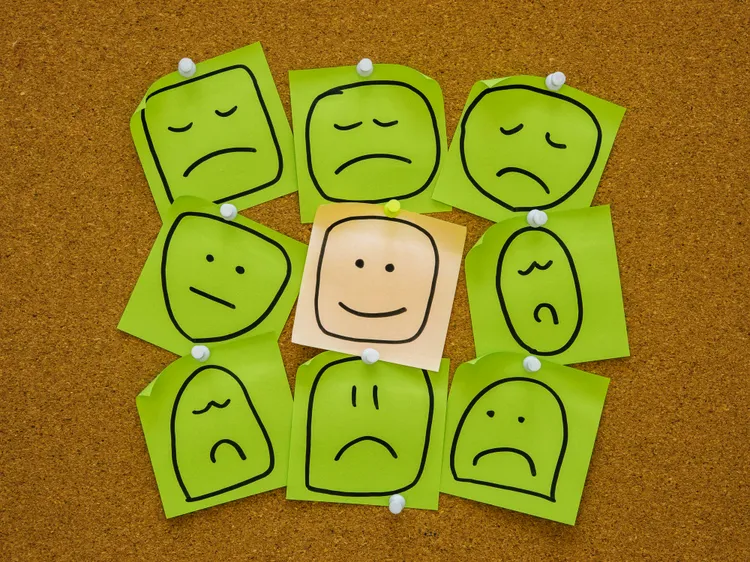
Why Mood-Based Eating Makes Sense
Food isn’t just fuel. It’s emotional support, grounding, stimulation, and care.
Your mood affects:
-
Appetite
-
Energy levels
-
Digestion
-
Cravings
-
Satisfaction after eating
When meals match your emotional and physical state, eating feels easier and more nourishing.
How to Use This Guide
Don’t overthink it. Read through the moods below and notice which one feels most accurate right now. You may resonate with more than one - and that’s okay.
There’s no “perfect” meal here. Just supportive suggestions.
If You’re Feeling Exhausted and Drained
When energy is low, the goal is nourishment without effort.
What Your Body Likely Needs
-
Easy-to-digest carbs
-
Gentle protein
-
Warmth and comfort
Meal Ideas
-
Scrambled eggs and toast
-
Oatmeal with nut butter
-
Soup with bread or crackers
-
Rice with butter and a fried egg
These meals stabilize blood sugar and don’t demand much energy.
If You’re Feeling Anxious or Overstimulated
Anxiety often calls for grounding foods.
What Helps
-
Warm temperatures
-
Soft textures
-
Balanced meals
Meal Ideas
-
Warm grain bowls
-
Mashed potatoes with vegetables
-
Noodle soup
-
Yogurt with oats and honey
These foods help calm the nervous system.
If You’re Feeling Sad or Emotionally Low
Sadness often seeks comfort and familiarity.
What You Might Need
-
Nostalgic flavors
-
Gentle sweetness
-
Emotional warmth
Meal Ideas
-
Mac and cheese
-
Toast with butter and jam
-
Pasta with olive oil and cheese
-
Baked potatoes
Comfort foods aren’t weak - they’re supportive.
If You’re Feeling Stressed and Mentally Overloaded
Stress eats mental energy.
What Works Best
-
Simple meals
-
No complicated decisions
-
Filling foods
Meal Ideas
-
Rice bowls with beans or eggs
-
Sandwiches with protein
-
Frozen meals upgraded with veggies
-
Snack plates (crackers, cheese, fruit)
Ease matters more than perfection.
If You’re Feeling Unmotivated or Burned Out
Burnout needs gentleness, not rules.
Helpful Foods
-
Familiar favorites
-
Minimal prep meals
-
Predictable flavors
Meal Ideas
-
Breakfast for dinner
-
Toast with peanut butter
-
Instant noodles with an egg
-
Smoothies
Eating something is the win.
If You’re Feeling Restless or Bored
Boredom often craves stimulation.
What Helps
-
Texture contrast
-
Bold flavors
-
Crunch or spice
Meal Ideas
-
Spicy stir-fry
-
Crunchy salads
-
Tacos or wraps
-
Popcorn with seasoning
Interesting food can lift flat moods.
If You’re Feeling Social or Playful
Playful moods love shareable food.
Meal Ideas
-
Build-your-own bowls
-
Snack boards
-
Homemade pizza
-
Tacos or sliders
These meals invite creativity and connection.
If You’re Feeling Calm and Balanced
When you feel steady, your body often wants balance too.
Meal Ideas
-
Grain bowls with vegetables
-
Fish or tofu with rice
-
Salads with protein and fat
-
Soups with sides
These meals support sustained energy.
Mood-Based Eating Is Not Emotional Eating
Responding to mood isn’t about losing control - it’s about awareness.
Mood-based eating:
-
Encourages listening
-
Reduces guilt
-
Builds trust with your body
It’s different from eating to avoid emotions.
How to Build Your Own Mood-to-Meal Habit
Ask yourself:
-
How do I feel right now?
-
Do I need comfort, energy, or ease?
-
What feels realistic to prepare?
Let those answers guide your plate.
You Don’t Need the “Perfect” Meal
Some days call for nourishment. Some days call for comfort. Some days call for the easiest option available.
When you choose food based on how you feel - not how you should feel - eating becomes kinder, simpler, and more sustainable.
So go ahead. Choose your mood - and feed yourself accordingly.
Disclaimer: This article is for informational purposes only and does not replace professional nutritional or mental health advice.