Comfort Foods That Don’t Leave You Feeling Worse
Comfort food is often seen as a guilty pleasure - but it doesn’t have to be. The right comfort foods can soothe your body and mind without leaving you bloated, sluggish, or regretful afterward. In this guide, we’ll explore comforting foods that nourish, satisfy emotional cravings, and help you feel better - not worse.

Why Traditional Comfort Foods Can Make You Feel Worse
Classic comfort foods like greasy fast food, sugary desserts, and heavily processed snacks may feel good in the moment, but they often come with consequences:
-
Blood sugar spikes followed by crashes
-
Digestive discomfort and bloating
-
Inflammation
-
Fatigue and brain fog
-
Mood dips and irritability
These foods tend to be high in refined carbs, unhealthy fats, and added sugars - ingredients that overstimulate the reward system without providing lasting nourishment.
True comfort should support your body, not punish it later.
What Makes a Comfort Food Actually Comforting?
Comfort foods that don’t leave you feeling worse usually share a few key qualities:
-
Balanced macronutrients (carbs, protein, healthy fats)
-
Gentle on digestion
-
Rich in nutrients that support mood and energy
-
Familiar flavors and satisfying textures
-
Warmth and heartiness
The goal isn’t perfection - it’s choosing foods that feel emotionally soothing and physically supportive.
Comfort Foods That Nourish Without the Crash
1. Oatmeal with Comforting Add-Ins
Oatmeal is one of the best comfort foods that still supports stable blood sugar and digestion. It’s rich in soluble fiber, which slows digestion and keeps you full longer.
Add comforting flavors like:
-
Cinnamon
-
Banana or baked apples
-
Nut butter
-
A drizzle of honey or maple syrup
This combination delivers warmth, sweetness, and satisfaction without the sugar crash.
2. Mashed Sweet Potatoes
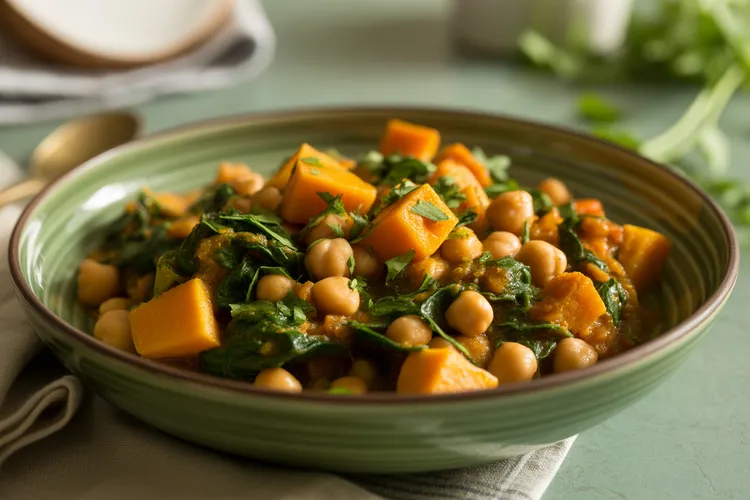
Creamy, naturally sweet, and deeply comforting, mashed sweet potatoes offer complex carbohydrates, potassium, vitamin A, and fiber. Unlike refined white potatoes, sweet potatoes support steadier energy levels.
Upgrade tip: Mash with olive oil or a little butter instead of heavy cream for a lighter but still satisfying texture.
3. Soup and Stew-Based Comfort Meals
Few foods feel more comforting than a warm bowl of soup. Broth-based soups and hearty stews are easy to digest and deeply nourishing.
Comforting yet healthy options include:
-
Chicken and vegetable soup
-
Lentil stew
-
Bone broth with rice and veggies
-
Miso soup
Soups provide hydration, minerals, and warmth - all essential for both physical and emotional comfort.
4. Mac and Cheese - The Smarter Way
Mac and cheese doesn’t have to be off-limits. A lighter, balanced version can still deliver nostalgia and comfort.
Healthier swaps:
-
Whole-grain or chickpea pasta
-
Cheese in moderation
-
Added vegetables like broccoli or spinach
-
Greek yogurt blended into the sauce
You still get the creamy comfort - without feeling overly heavy afterward.
5. Rice Bowls with Familiar Flavors
Rice bowls are incredibly comforting and customizable. Using brown or jasmine rice provides gentle carbs that calm the nervous system.
Comfort bowl ideas:
-
Rice, roasted vegetables, and a soft-boiled egg
-
Rice with salmon and sesame oil
-
Rice with beans, avocado, and mild spices
These meals feel grounding while remaining balanced and nourishing.
6. Toast with Toppings That Satisfy
Sometimes comfort is simple. Toast can be surprisingly soothing, especially when paired with nutrient-dense toppings.
Comforting toast options:
-
Whole-grain toast with avocado and olive oil
-
Peanut butter and banana toast
-
Ricotta with honey and cinnamon
This combination of carbs and fats helps calm cravings and stabilize mood.
7. Yogurt Bowls That Feel Like Dessert
Greek yogurt or plant-based yogurt can easily become a comforting, dessert-like meal without excess sugar.
Add-ins that enhance comfort:
-
Berries
-
Dark chocolate shavings
-
Nuts and seeds
-
Granola (in moderation)
Yogurt also supports gut health, which plays a major role in mood and overall well-being.
8. Eggs in Any Comforting Form
Eggs are warm, familiar, and deeply satisfying. They provide high-quality protein, B vitamins, and healthy fats that support brain function and mood.
Comforting egg ideas:
-
Soft scrambled eggs
-
Omelets with cheese and veggies
-
Egg and toast plates
They’re especially comforting when you want something filling but not heavy.
9. Dark Chocolate (Mindfully Enjoyed)
Chocolate is one of the most common comfort foods - and it can still fit into a feel-good approach. Dark chocolate (70% cacao or higher) contains magnesium and antioxidants that support relaxation.
Enjoying a small portion slowly can satisfy cravings without triggering guilt or discomfort.
10. Warm Beverages That Soothe
Sometimes comfort doesn’t come from food - it comes from warmth.
Comforting drink options include:
-
Herbal teas (chamomile, ginger, peppermint)
-
Warm milk or plant milk
-
Golden milk with turmeric
-
Low-sugar hot cocoa
These drinks calm the nervous system and help signal safety and relaxation to the body.
Key Nutrients That Make Comfort Foods Feel Better
Comfort foods that don’t leave you feeling worse are often rich in:
-
Complex carbohydrates: For steady energy and serotonin support
-
Protein: For fullness and blood sugar balance
-
Healthy fats: For satisfaction and brain health
-
Magnesium: Supports relaxation and reduces stress
-
Fiber: Aids digestion and prevents bloating
Emotional Eating vs. Supportive Comfort Eating
Comfort eating isn’t inherently bad - it’s human. The difference lies in how and what you eat.
Supportive comfort eating:
-
Is mindful, not rushed
-
Includes nourishing ingredients
-
Leaves you feeling satisfied, not stuffed
-
Respects emotional needs without ignoring physical ones
Reframing comfort food as self-care rather than self-sabotage changes the entire experience.
Simple Comfort Meal Ideas That Feel Good Afterward
-
Oatmeal with cinnamon, nuts, and banana
-
Chicken soup with vegetables and rice
-
Sweet potato mash with olive oil
-
Brown rice bowl with eggs and veggies
-
Greek yogurt with berries and dark chocolate
Comfort Can Still Be Kind to Your Body
Comfort foods should feel like a hug - not a hangover. By choosing nourishing ingredients, familiar flavors, and balanced meals, you can enjoy comfort food that truly supports you.
You don’t have to give up comfort to feel better. You just have to redefine what comfort looks like on your plate.
Disclaimer: This article is for educational purposes only and does not replace professional medical advice. If you have specific dietary or health concerns, consult a qualified healthcare provider.
Latest