Cooking as a Form of Self-Care During the Holidays
The holidays can be joyful, but they often come with stress, exhaustion, and emotional overload. Cooking, when approached mindfully, can become a powerful form of self-care that brings comfort, calm, and a sense of grounding. In the midst of a busy season, the kitchen can transform into a space for nourishment - not just of the body, but of the mind as well.
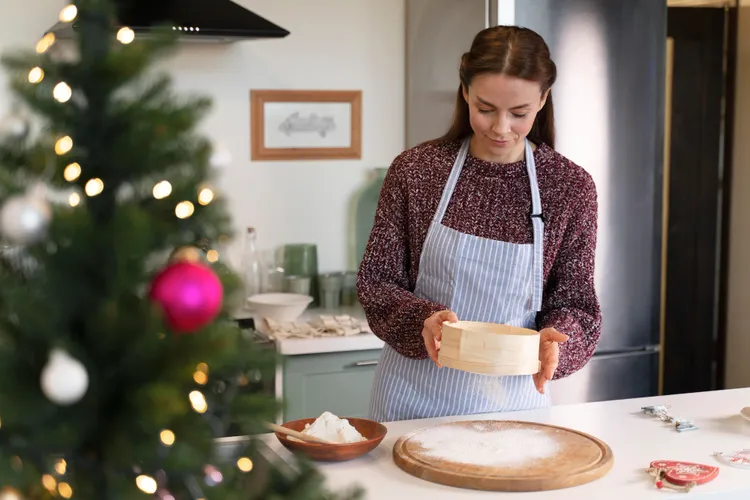
The holiday season is often portrayed as joyful and magical, yet for many people it also brings stress, exhaustion, and emotional overload. Between social obligations, financial pressure, and packed schedules, it’s easy to feel disconnected from yourself. In the middle of all this noise, cooking can become more than just a task - it can be a powerful form of self-care. When approached intentionally, time spent in the kitchen offers comfort, grounding, and a sense of control that’s especially valuable during the holidays.
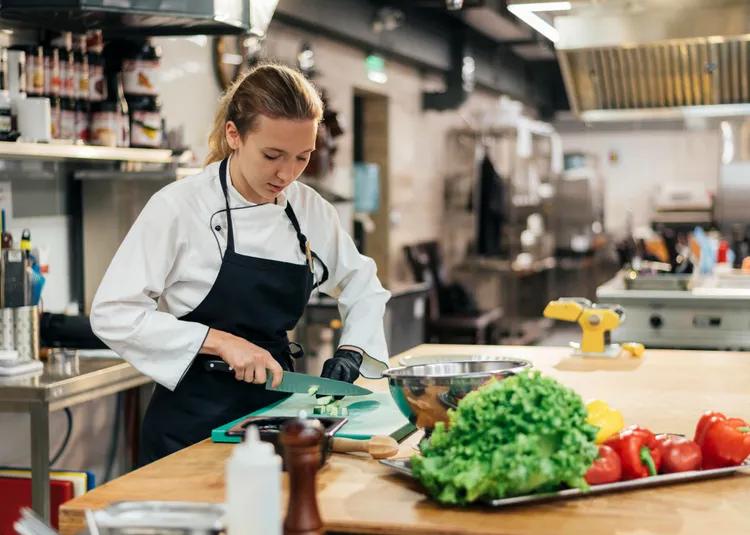
Cooking as self-care begins with a shift in mindset. Instead of viewing meals as another item on a long to-do list, cooking becomes a moment of presence. Chopping vegetables, stirring a pot, or kneading dough engages the senses and gently pulls attention away from anxiety and external demands. The repetitive, tactile nature of cooking has a calming effect similar to meditation, helping regulate stress and create mental space in an otherwise hectic season.
Holiday cooking often carries expectations - perfect dishes, family traditions, and the pressure to impress. Self-care cooking removes that burden. It prioritizes nourishment and enjoyment over performance. Choosing recipes that feel comforting rather than complicated allows you to reconnect with why you cook in the first place. A simple soup simmering on the stove or freshly baked bread can feel far more restorative than an elaborate spread that leaves you depleted.
There is also emotional nourishment in cooking familiar foods. Holiday flavors and aromas are deeply tied to memory, and recreating them can provide a sense of continuity and comfort. Even adapting traditions to suit your current needs - simplifying recipes or adjusting portions - can be an act of self-respect. Cooking what feels good in this moment, rather than what’s expected, is a powerful way to honor your emotional wellbeing.
Cooking as self-care is not limited to solo moments. Preparing food for loved ones can strengthen connection without requiring constant conversation or emotional labor. Sharing a meal you’ve made with care fosters warmth and intimacy, reinforcing bonds in a tangible, nourishing way. At the same time, it’s important to set boundaries - self-care cooking means choosing when and how you give, not overextending yourself out of obligation.
Another essential aspect is allowing cooking to be imperfect. Burnt edges, substitutions, or changes in plans do not diminish the value of the act. Letting go of perfection reduces stress and invites creativity. The holidays are an ideal time to embrace flexibility in the kitchen, experimenting with new recipes or simplifying old ones without guilt.
Self-care also includes how cooking fits into your overall energy. Some days, care looks like cooking from scratch; other days, it looks like reheating leftovers or ordering takeout without shame. Recognizing your limits and responding with kindness is just as important as the food itself. Cooking should support your wellbeing, not compete with it.
Ultimately, cooking during the holidays can be a quiet refuge - a place where you can slow down, reconnect with your senses, and nurture yourself and others. By reframing cooking as an act of care rather than obligation, the kitchen becomes a source of calm rather than stress. In a season that often demands more than it gives, mindful cooking offers balance, comfort, and a gentle reminder to take care of yourself first.