Eating Through Stress Without Guilt
Stress changes how we eat - it’s not a failure of willpower, it’s a biological response. When life feels overwhelming, food often becomes comfort, control, or relief. Learning how to eat through stress without guilt can transform not just your relationship with food, but how you care for yourself during hard moments.

Stress eating is often framed as a bad habit to fix, but that framing misses the point entirely. When the nervous system is under pressure, the body looks for ways to regulate itself. Eating during stress isn’t weakness - it’s an adaptive response. The problem isn’t that we eat through stress; it’s that we’re taught to feel guilty for it instead of understanding what’s actually happening.
When stress hits, the body releases cortisol and adrenaline. These hormones prepare us for action, but they also influence appetite and cravings. For some people, stress suppresses hunger. For others, it amplifies it, especially for foods that are quick sources of energy and comfort. This is the body’s attempt to stabilize itself, not sabotage health.
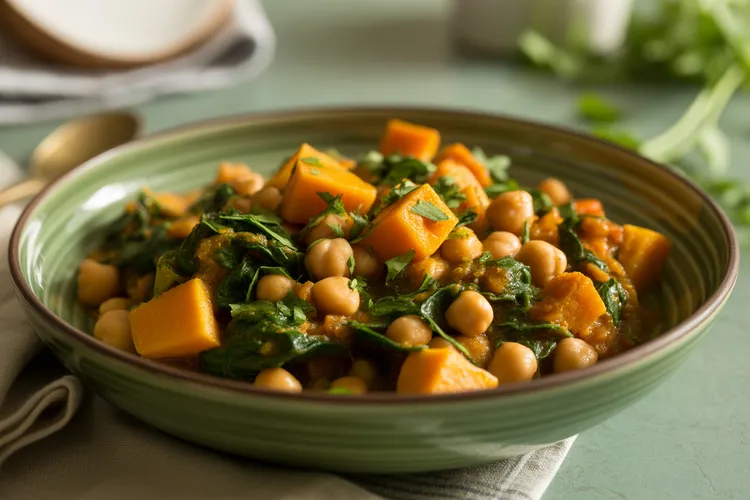
Food provides more than calories. It offers predictability, sensory grounding, and emotional relief. Warm meals can feel soothing, crunchy foods can release tension, and sweet flavors can signal safety to the brain. These responses are wired into human biology. When we label stress eating as “bad,” we create shame around a behavior that is trying to help us cope.
Guilt is what turns stress eating into a cycle. You feel stressed, you eat to feel better, then you feel guilty for eating, which increases stress - and the cycle continues. The food isn’t the problem; the judgment is. Guilt activates the same stress pathways you were trying to soothe in the first place, making emotional regulation harder, not easier.
Eating through stress without guilt begins with curiosity instead of criticism. Asking “What does my body need right now?” opens space for awareness. Sometimes the answer is food. Sometimes it’s rest, reassurance, or a pause. Often it’s a combination. Allowing food to be part of that support removes the urgency and intensity around eating.
Balanced nourishment plays a powerful role here. When meals include protein, healthy fats, and fiber, blood sugar remains more stable, reducing emotional volatility. Stable blood sugar makes stress easier to handle and cravings less extreme. This isn’t about eating perfectly - it’s about eating consistently and kindly.
It’s also important to recognize that stress reduces cognitive capacity. During high-stress periods, expecting yourself to eat “ideally” sets an unrealistic standard. Convenience foods, simple meals, and familiar flavors aren’t failures - they’re practical forms of care. Feeding yourself at all during stress is a success.
Mindful eating doesn’t mean eating slowly or without distraction all the time. During stress, mindful eating can be as simple as acknowledging that you’re using food to cope and giving yourself permission to do so. That permission alone often reduces overeating because the nervous system no longer feels rushed or deprived.
Another key part of guilt-free stress eating is separating food from morality. Food is not good or bad. Eating is not something you earn or deserve. When food choices are neutral, you’re better able to notice how different foods make you feel physically and emotionally, which naturally guides future choices without force.
Long-term, reducing stress eating guilt improves your relationship with food and your body. It builds trust. When your body knows it won’t be punished for seeking comfort, it stops escalating its signals. Cravings become quieter, not because you controlled them, but because they were finally heard.
Eating through stress without guilt is about compassion, not perfection. It’s about meeting yourself where you are and recognizing that coping isn’t failure - it’s survival. When food becomes one of many supportive tools instead of a source of shame, stress loses its grip, and nourishment becomes what it was always meant to be: a form of care.
Latest