Eating With the Seasons (Without Rules)
Seasonal eating often gets framed as another set of food rules - but it doesn’t have to be that way. At its best, eating with the seasons is less about restriction and more about responding to what your body naturally wants throughout the year. This is a flexible, intuitive approach to seasonal eating - no rules required.
When people hear “seasonal eating,” they often imagine:
-
Strict produce lists
-
Guilt for buying out-of-season foods
-
Pressure to eat a certain way
But that’s not the point.
Eating with the seasons is simply about noticing patterns - in food, energy, appetite, and comfort - and letting those patterns gently guide your choices.
What Eating With the Seasons Really Means
At its core, seasonal eating is about alignment.
Alignment with:
-
Temperature
-
Energy levels
-
Appetite shifts
-
Cravings
It’s not about perfection. It’s about awareness.
Why Our Appetites Change With the Seasons
Your body responds to its environment.
As seasons change:
-
Metabolism shifts
-
Hunger cues adjust
-
Comfort needs evolve
In colder months, the body often craves warmth and density. In warmer months, it leans toward hydration and lightness. This isn’t weakness - it’s biology.
Seasonal Eating Without Food Rules
Rule-based seasonal eating says: “You should eat this now.”
Gentle seasonal eating asks: “What sounds good right now?”
There’s a huge difference.
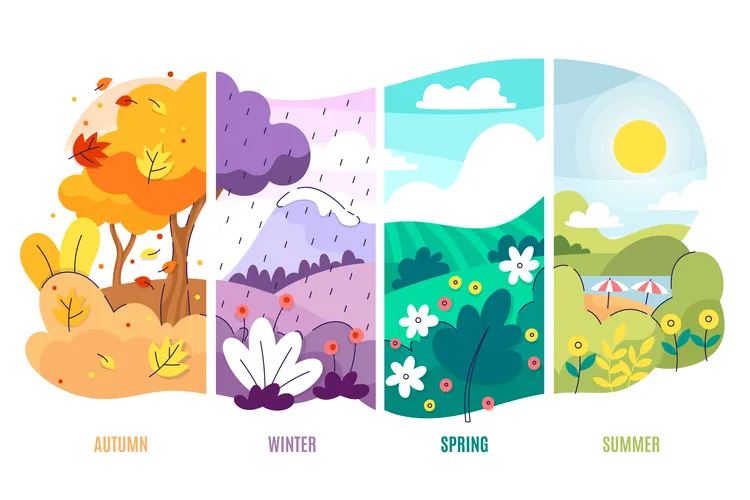
Winter: Warmth, Grounding, Comfort
Winter naturally calls for:
-
Warm foods
-
Hearty textures
-
Slower digestion
Think:
-
Soups and stews
-
Roasted vegetables
-
Warm grains
Not because you have to, but because warmth feels supportive.
Spring: Lightness and Freshness
Spring often brings:
-
Increased energy
-
Curiosity for freshness
-
A desire for balance
This might show up as:
-
Crisp vegetables
-
Lighter proteins
-
Mixed temperatures
Not detox - just renewal.
Summer: Cooling, Hydration, Ease
In summer, many people experience:
-
Lower appetite
-
Heat fatigue
-
Reduced desire to cook
Seasonal eating here might mean:
-
Cold meals
-
Hydrating foods
-
Assembly-style eating
Ease becomes nourishment.
Autumn: Comfort With Transition
Fall bridges light and heavy.
It often brings:
-
Comfort cravings
-
Desire for routine
-
Gentle grounding
Think warm spices, baked dishes, and familiar meals that ease the transition.
You Don’t Have to Eat “Perfectly Seasonal”
Eating with the seasons doesn’t mean:
-
Never eating imported food
-
Avoiding favorite meals
-
Ignoring convenience
Modern life is global - and that’s okay. Seasonal eating is a direction, not a rulebook.
Emotional Seasons Matter Too
Seasonal eating isn’t only about weather.
Life seasons affect appetite too:
-
Stress
-
Grief
-
Busy periods
-
Rest periods
Sometimes the “season” you’re in emotionally matters more than the calendar.
How to Practice Gentle Seasonal Eating
Try asking yourself:
-
Do I want something warm or cool?
-
Do I want something light or filling?
-
Do I want something familiar or fresh?
These questions guide you better than any list.
Seasonal Eating Supports Food Peace
When you let seasons influence - not control - your eating:
-
Guilt decreases
-
Variety happens naturally
-
Eating feels intuitive
This builds trust with your body over time.
It’s Okay If Your Seasons Don’t Match Everyone Else’s
Your body isn’t a calendar.
Some people crave soup in summer.
Some want salads in winter.
Both are valid.
Seasonal eating should support you, not override you.
Simple Ways to Add Seasonal Awareness (Without Stress)
-
Notice cravings, don’t judge them
-
Add seasonal produce when convenient
-
Adjust temperature and texture
-
Keep favorite staples year-round
Small shifts count.
Why This Approach Is Sustainable
Rigid rules fade. Gentle awareness lasts.
Eating with the seasons without rules works because:
-
It adapts
-
It respects energy levels
-
It evolves with life
That’s real sustainability.
Let Seasons Inspire, Not Control
Seasonal eating doesn’t need rules, restrictions, or pressure.
It’s simply about noticing what feels supportive right now - and letting food meet you there.
When eating aligns with your environment and your life, nourishment becomes easier, calmer, and more enjoyable.
Latest