Why Your Gluten-Free Bread Is Gummy (And How the Right Flour Fixes It)
You followed the recipe perfectly. You measured carefully. You baked it until golden brown. Yet when you slice into your gluten-free bread, the inside is sticky, dense, and gummy instead of light and airy. If this sounds familiar, you’re not alone. One of the most common complaints in gluten-free baking is gummy bread texture, and the culprit is rarely your oven or baking skills. In most cases, the problem comes down to flour choice and flour balance.
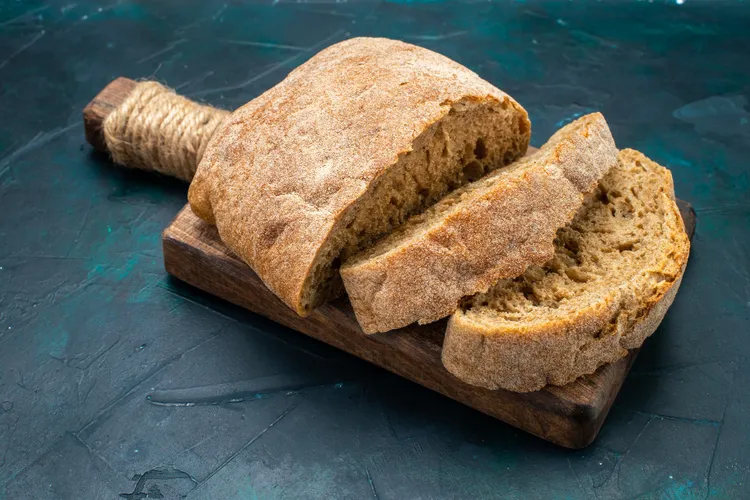
If you’ve ever sliced into a loaf of gluten-free bread only to find a sticky, dense, almost underbaked interior, you’re not alone. Gummy gluten-free bread is one of the most common - and frustrating - problems home bakers face. The crust may look golden and perfect, the bread may even smell amazing, yet the inside feels wet, heavy, or oddly elastic. The good news is that this issue is rarely about your skills as a baker. In most cases, gummy gluten-free bread comes down to one critical factor: flour choice and how those flours work together.
Traditional bread relies on gluten to create structure. Gluten traps gas, gives dough elasticity, and allows bread to rise while still holding its shape. Gluten-free bread doesn’t have that built-in support system, so flours and starches have to do all the heavy lifting. When the balance is off, the result is often a gummy texture that feels more like raw dough than bread.
One of the biggest reasons gluten-free bread turns gummy is the overuse of starch-heavy flours. Tapioca starch, potato starch, and cornstarch are common ingredients in gluten-free baking because they add chew, stretch, and softness. When used correctly, they help mimic the elasticity of gluten. When overused, however, they trap too much moisture and create that sticky, glue-like crumb that never quite sets, even after baking. Many beginner gluten-free bread recipes rely too heavily on starches because they promise lightness, but without enough structure, starch alone simply gels.
On the opposite end of the spectrum, using too much fine, low-protein flour can also lead to gummy gluten-free bread. White rice flour, while popular and mild in flavor, doesn’t provide much structure on its own. If your flour blend is mostly rice flour and starch, the bread may rise initially but collapse or stay wet inside because there’s nothing sturdy enough to support the crumb as it cools.
This is where flour choice becomes a game changer. The best gluten-free bread flours are those that add structure, absorb moisture properly, and balance starches rather than compete with them. Whole-grain gluten-free flours like sorghum flour, brown rice flour, buckwheat flour, and millet flour are especially helpful. These flours contain more protein and fiber, which helps absorb excess moisture and gives the bread a more stable internal structure. Bread made with these flours is far less likely to feel gummy once cooled.
Almond flour is another ingredient that can contribute to texture issues if not used carefully. Because almond flour is high in fat and low in starch, it adds moisture and tenderness but very little structure. In gluten-free bread, too much almond flour can weigh the dough down and prevent it from fully baking through. The result is often a loaf that looks done on the outside but feels dense and slightly wet in the middle. Almond flour works best in small amounts or in combination with stronger grain-based flours.
Oat flour can be a surprising ally in fixing gummy gluten-free bread. Certified gluten-free oat flour absorbs liquid well and provides a soft but stable crumb. It behaves more like traditional wheat flour than many other gluten-free options, which helps reduce excessive gumminess. When combined with starches in moderation, oat flour can dramatically improve the texture of gluten-free bread.
Another often-overlooked factor is how flour affects hydration. Gluten-free doughs are typically wetter than wheat-based doughs, but “wet” doesn’t mean “unstructured.” If your flour blend can’t absorb and hold water properly, that moisture has nowhere to go during baking. Instead of evaporating or setting into a crumb, it stays trapped, creating a gummy interior. Choosing flours with better absorption - like sorghum or buckwheat - helps regulate moisture and allows the bread to bake through evenly.
Even the best flour blend can fail if it’s not balanced correctly. A reliable gluten-free bread flour blend usually includes a combination of structure-building flours, moisture-absorbing whole grains, and a controlled amount of starch for elasticity. When any one of these dominates, texture problems appear. Too much starch equals gumminess. Too much dense flour without enough starch can lead to dryness and crumbling. The magic happens in the middle.
It’s also important to understand that gummy gluten-free bread can worsen if sliced too soon. Gluten-free bread continues to set as it cools, sometimes for an hour or more after baking. Flour blends high in starch need that cooling time to firm up. Cutting into the loaf too early can make even a well-balanced recipe seem gummy when it would have improved with patience.
Ultimately, fixing gummy gluten-free bread isn’t about adding random ingredients or baking longer and longer in frustration. It’s about choosing the right flours and understanding what each one contributes. Structure-focused flours reduce gumminess, starches add elasticity in moderation, and proper balance allows moisture to escape instead of getting trapped.
Once you adjust your flour choices, gluten-free bread transforms. The crumb becomes soft but defined, moist but not sticky, and sturdy enough to slice without clinging to the knife. Instead of dense, gummy disappointment, you get bread that feels intentional, satisfying, and genuinely enjoyable to eat. And that’s when gluten-free baking stops feeling like a compromise and starts feeling like a craft.
Latest