How to Cook for One Without Wasting Food
Cooking for one can feel surprisingly complicated. You want good food, not leftovers haunting your fridge - or produce going bad before you get to it. The good news? With a few smart habits and mindset shifts, cooking for one can be efficient, affordable, and genuinely enjoyable - without wasting a single bite.
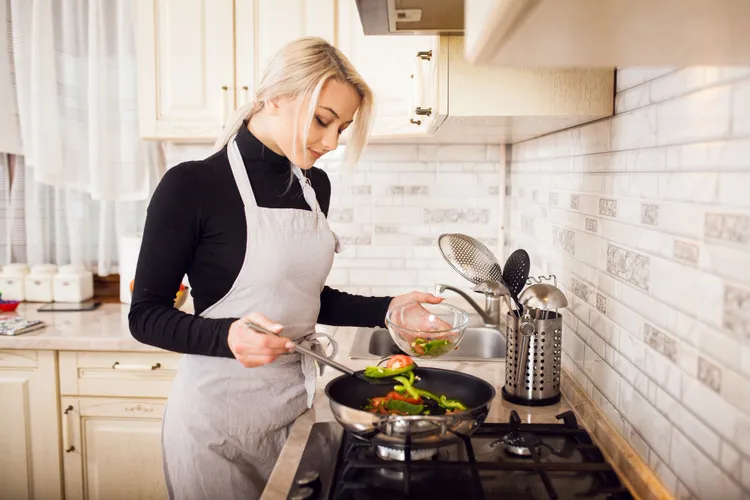
Cooking for one often comes with an unfair reputation: expensive, wasteful, or simply not worth the effort. Grocery stores sell family-sized packages, recipes serve four, and leftovers somehow multiply overnight. But cooking for yourself doesn’t have to mean throwing away food - or eating the same meal five days in a row.
Whether you live alone, work irregular hours, or are simply feeding yourself most of the time, this guide will show you how to cook for one without wasting food, while still enjoying variety, flavor, and balance.
1. Start With a “Cook-for-One” Mindset
The first step isn’t in the kitchen - it’s in how you think about cooking for yourself.
Cooking for one is not a compromise. It’s an opportunity to:
-
Eat exactly what you enjoy
-
Control portions
-
Reduce grocery bills
-
Experiment without pressure
When you stop treating solo meals as an afterthought, you naturally become more intentional - and food waste drops dramatically.
2. Plan Loosely, Not Rigidly
Meal planning is essential when cooking for one, but it doesn’t have to be strict or time-consuming.
A flexible approach works best:
-
Plan 3-4 core meals per week
-
Leave room for leftovers or spontaneous cravings
-
Choose recipes with overlapping ingredients
For example, a bunch of spinach can become:
-
A breakfast omelet
-
A lunch salad
-
A dinner pasta add-in
This kind of planning prevents half-used ingredients from being forgotten.
3. Shop Smarter (Not Bigger)
One of the biggest challenges of cooking for one is grocery shopping. Most stores are designed for families - but you can still shop strategically.
Smart grocery shopping tips for one:
-
Buy loose produce instead of pre-packaged
-
Choose smaller cuts of meat or fish
-
Ask the butcher for single portions (they’re usually happy to help)
-
Visit the bulk section for grains, nuts, and spices
Frozen fruits and vegetables are also a solo cook’s best friend - they last longer and reduce waste dramatically.
4. Learn to Love Your Freezer
If there’s one habit that instantly reduces food waste, it’s freezing.
What freezes well:
-
Cooked grains (rice, quinoa, pasta)
-
Soups, stews, and sauces
-
Bread and tortillas
-
Cooked proteins (chicken, beans, meatballs)
Freeze food in single-serving portions, label containers with dates, and rotate them regularly. Your freezer becomes a personal convenience store - no food wasted.
5. Choose Recipes That Scale Down Easily
Not all recipes are solo-friendly, but many adapt beautifully.
Look for recipes that:
-
Use simple ingredient lists
-
Rely on flexible vegetables
-
Allow easy portion control
Stir-fries, sheet-pan meals, grain bowls, pasta dishes, and omelets are perfect for cooking for one. When a recipe serves four, cook it once and intentionally plan two meals now and two frozen for later.
6. Cook Once, Eat Twice (Without Getting Bored)
Leftovers don’t have to feel repetitive.
Reinvent leftovers creatively:
-
Roast chicken → tacos, salad topping, soup
-
Cooked vegetables → wraps, frittatas, pasta
-
Rice → fried rice, grain bowls, stuffed peppers
By slightly changing flavors or textures, leftovers feel new - and far less likely to be wasted.
7. Master Portion Control
Overcooking is a common cause of food waste when cooking for one.
Simple portion guidelines:
-
Pasta: one handful (about 2 oz dry)
-
Rice or grains: ½ cup dry
-
Protein: palm-sized portion
-
Vegetables: 1-2 cups per meal
Measuring once or twice helps you learn what your body actually needs.
8. Keep a “Use-It-Up” Day
Designate one day a week as a clean-out-the-fridge meal.
This could be:
-
A mixed veggie stir-fry
-
A soup with odds and ends
-
A grain bowl with leftover toppings
Not only does this reduce food waste, it also saves money and sparks creativity.
9. Stock a Solo-Friendly Pantry
A well-stocked pantry makes cooking for one easier and more flexible.
Pantry essentials for cooking for one:
-
Canned beans and lentils
-
Pasta and grains
-
Shelf-stable sauces (soy sauce, tomato sauce, pesto)
-
Spices and dried herbs
-
Eggs
With these basics, you can turn almost any leftover into a full meal.
10. Make Cooking for One Enjoyable
When cooking feels like a chore, food gets wasted.
Try:
-
Playing music or a podcast
-
Setting a nice plate - even for yourself
-
Trying one new recipe per week
When you enjoy the process, you naturally respect the food more.
Common Mistakes to Avoid When Cooking for One
-
Buying produce without a plan
-
Cooking family-sized portions “just in case”
-
Forgetting what’s already in the fridge
-
Avoiding leftovers instead of reimagining them
Awareness alone can dramatically reduce waste.
The Bigger Picture: Saving Food, Money, and Energy
Learning how to cook for one without wasting food isn’t just practical - it’s empowering. You save money, reduce environmental impact, and build a healthier relationship with food.
Cooking for yourself is an act of care. It deserves intention, creativity, and enjoyment - no matter how many people are at the table.
Cooking for one doesn’t mean cooking less - it means cooking smarter. With thoughtful planning, flexible recipes, and a little creativity, you can enjoy delicious meals while keeping your fridge clean, your budget intact, and your food waste close to zero.
Latest