Secrets to Perfectly Crispy Roast Vegetables
Few things are as satisfying as pulling a tray of vegetables from the oven and hearing that faint crackle as you lift them off the pan. Perfectly roasted vegetables should be crispy on the outside, tender on the inside, and packed with deep, caramelized flavor - not soft, soggy, or steamed.

If your roast vegetables never quite reach that golden, crunchy perfection, don’t worry. The difference between dull and delicious comes down to a handful of simple but powerful techniques. Once you understand these secrets, crispy roast vegetables will become one of the easiest - and most reliable - dishes in your kitchen.
Why Roast Vegetables Sometimes Turn Out Soggy
Before fixing the problem, let’s understand it.
Vegetables turn soggy when they:
-
Release too much moisture
-
Are overcrowded on the pan
-
Cook at too low a temperature
-
Don’t have enough fat
-
Are placed on the wrong type of pan
Roasting is all about dry heat and space. When those conditions aren’t met, vegetables steam instead of roast.
Choose the Right Vegetables for Roasting
Almost any vegetable can be roasted, but some crisp more easily than others.
Best Vegetables for Crispy Roasting
-
Potatoes
-
Sweet potatoes
-
Carrots
-
Brussels sprouts
-
Cauliflower
-
Broccoli
-
Zucchini
-
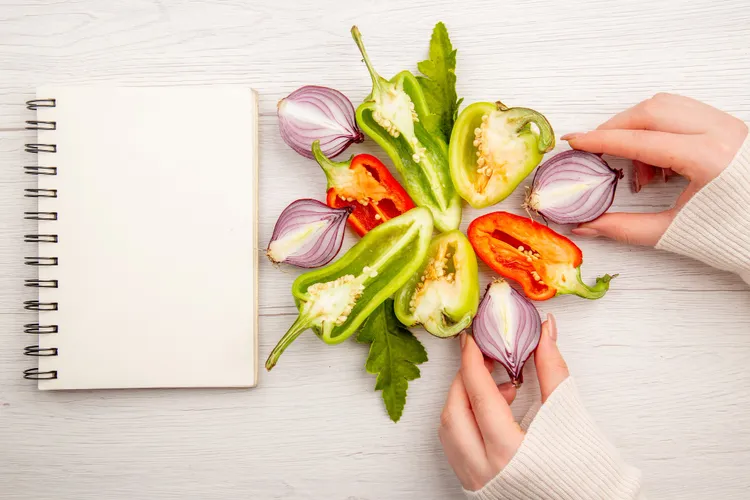
Bell peppers
-
Onions
Pro Tip
Denser vegetables (like potatoes and carrots) need higher heat and more time. Tender vegetables (like zucchini) roast faster and benefit from thicker cuts.
Cut Vegetables Correctly (Size Matters)
Uniform size ensures even cooking.
How to Cut for Crispiness
-
Keep pieces similar in size
-
Avoid tiny bits (they burn)
-
Avoid oversized chunks (they steam inside)
Ideal size:
About 1-1½ inches for most vegetables.
Flat sides and cut surfaces brown better than rounded ones - so slice strategically.
Dry Vegetables Thoroughly
This step is often overlooked - and it’s critical.
Why Drying Matters
Moisture = steam
Steam = soggy vegetables
How to Do It Right
-
Wash vegetables in advance
-
Dry thoroughly with a clean towel
-
Let air-dry for a few minutes if needed
For extra crispiness, vegetables must go into the oven as dry as possible.
Use the Right Amount of Oil
Oil is not optional - it’s essential.
Why Oil Matters
-
Conducts heat
-
Promotes browning
-
Prevents sticking
Best Oils for Roasting
-
Olive oil
-
Avocado oil
-
Ghee
-
Canola oil
How Much to Use
Enough to lightly coat every piece - but not so much that vegetables swim. Too much oil leads to greasy results.
Don’t Crowd the Pan (This Is Non-Negotiable)
Overcrowding is the №1 enemy of crispy vegetables.
What Happens When You Crowd
Vegetables release moisture → moisture gets trapped → vegetables steam.
The Fix
-
Use two pans instead of one
-
Leave space between pieces
-
Spread vegetables in a single layer
If vegetables touch, they won’t crisp.
Choose the Right Pan
Your baking sheet plays a bigger role than you think.
Best Pans for Roasting
-
Heavy-duty metal sheet pans
-
Light-colored aluminum pans
Avoid
-
Glass dishes
-
Ceramic pans
-
Dark nonstick pans
Metal conducts heat efficiently and helps vegetables brown evenly.
Skip the Parchment (Sometimes)
While parchment prevents sticking, it can slightly reduce browning.
For Maximum Crispiness
-
Roast directly on a well-oiled metal pan
Best Compromise
-
Use parchment for delicate vegetables
-
Skip parchment for potatoes, carrots, and Brussels sprouts
Roast at High Heat
Low heat is the fastest way to disappointment.
Ideal Roasting Temperature
425°F-450°F (220°C-230°C)
High heat evaporates moisture quickly and encourages caramelization.
Don’t Move Them Too Soon
Patience creates crust.
Why This Matters
Vegetables need uninterrupted contact with the hot pan to brown properly.
Best Practice
-
Roast for 15-20 minutes before flipping
-
Flip only once or twice
Constant stirring breaks crust formation.
Season at the Right Time
Seasoning affects texture.
Before Roasting
-
Salt lightly
-
Add pepper and spices
After Roasting
-
Finish with flaky salt
-
Add herbs, lemon juice, or cheese
Salting too early can draw out moisture - use a light hand before roasting.
Add Flavor Without Losing Crispiness
Want bold flavor without sogginess?
Best Add-Ins
-
Garlic powder (not fresh garlic)
-
Smoked paprika
-
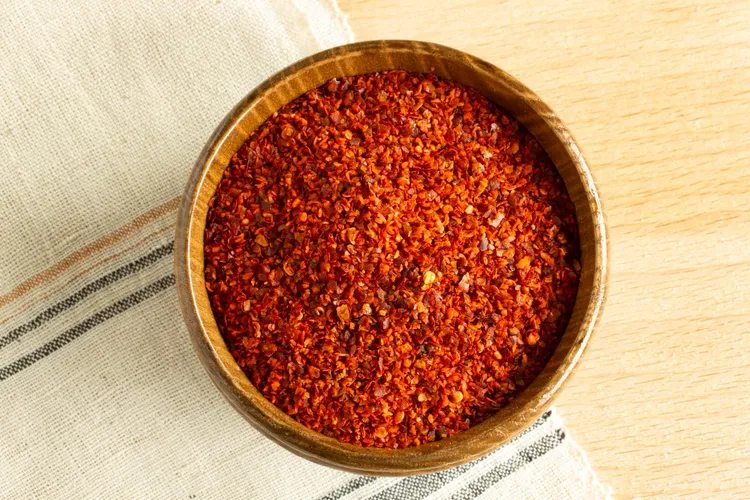
Chili flakes
-
Ground cumin
Add After Roasting
-
Fresh garlic
-
Parmesan cheese
-
Fresh herbs
-
Balsamic glaze
How to Get Extra Crispy Potatoes
Potatoes deserve special attention.
The Secret Steps
-
Parboil potatoes for 8-10 minutes
-
Drain and rough them up
-
Toss with oil and salt
-
Roast at 450°F
This creates crunchy edges and fluffy interiors.
How Long to Roast Vegetables (General Guide)
| Vegetable | Time |
|---|---|
| Potatoes | 40-50 min |
| Carrots | 30-40 min |
| Brussels sprouts | 25-35 min |
| Broccoli | 20-25 min |
| Cauliflower | 25-35 min |
| Zucchini | 15-20 min |
Common Roasting Mistakes (And How to Fix Them)
Soggy Results
-
Cause: overcrowding or low heat
-
Fix: spread out and increase temperature
Burned Outside, Raw Inside
-
Cause: pieces too large
-
Fix: cut evenly
Bland Flavor
-
Cause: under-seasoning
-
Fix: finish with salt and acid
The Professional Finishing Touch
Chefs finish roasted vegetables with contrast.
Try Adding
-
Lemon zest
-
Vinegar splash
-
Grated cheese
-
Toasted nuts
-
Fresh herbs
These additions elevate flavor without compromising texture.
Perfectly crispy roast vegetables aren’t complicated - they just require the right balance of heat, space, oil, and timing. Once you master these fundamentals, roasting becomes less about guesswork and more about confidence.
With these secrets in your back pocket, you’ll never serve soggy vegetables again - only golden, caramelized, irresistibly crispy ones.
Latest