Everything You Can Do with One Onion: Simple, Delicious Ways to Turn a Single Ingredient into Real Meals
An onion may not look like much on its own, but it’s one of the most powerful ingredients in any kitchen. When the fridge feels bare and options feel limited, a single onion can still turn into something warm, flavorful, and satisfying. This guide explores everything you can do with one onion, showing just how far this humble ingredient can go.
Why the Onion Is One of the Most Versatile Foods You Own
Onions are the foundation of countless cuisines around the world - and for good reason.
One onion can:
-
Add depth and sweetness to simple foods
-
Create flavor even when ingredients are limited
-
Stretch pantry staples into full meals
-
Feel comforting, savory, and filling
They’re affordable, shelf-stable, and endlessly adaptable, making them a true kitchen essential.
The Magic That Happens When You Cook an Onion
Raw onions are sharp and pungent, but cooking transforms them completely.
As onions cook:
-
Natural sugars caramelize
-
Sharpness softens
-
Savory depth develops
-
Texture becomes rich and comforting
This transformation is why even one onion can anchor an entire meal.
First Things First: How to Prep One Onion for Multiple Uses
If you want to get the most out of a single onion, how you cut it matters.
-
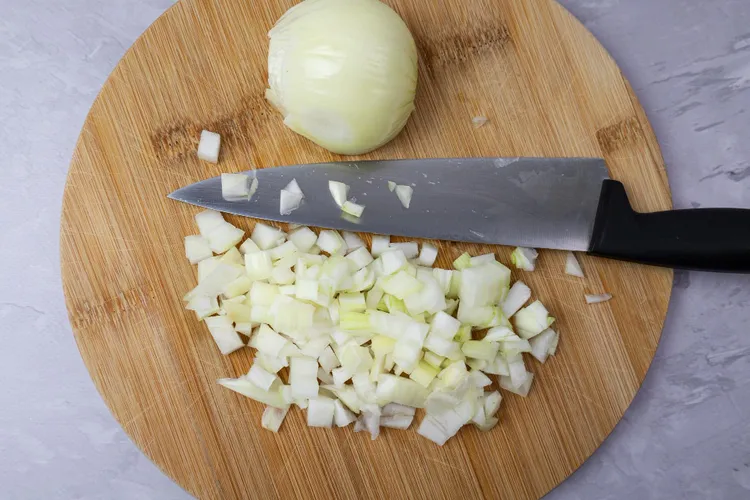
Diced: Best for soups, sauces, eggs, and rice dishes
-
Sliced: Ideal for caramelizing, sandwiches, and topping toast
-
Wedges: Great for roasting or pan-frying
You can even divide one onion and use it in different ways throughout the day.
Simple Meals You Can Make with One Onion
1. Onion and Egg Scramble
Sauté sliced or diced onion until soft and golden, then add eggs. The onion adds sweetness and depth, turning basic eggs into a comforting meal.
Why it works: Protein + carbs + savory flavor with minimal effort.
2. Onion Toast or Onion Sandwich
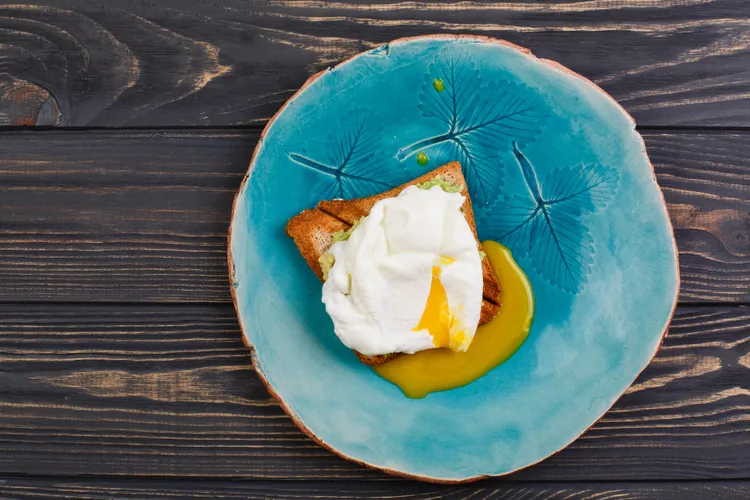
Cook sliced onions slowly in oil or butter until soft. Pile them onto toast.
Optional additions:
-
Cheese
-
Fried egg
-
Mustard or mayo
This is simple comfort food at its best.
3. One-Onion Pasta
Cook pasta and reserve some pasta water. Sauté diced onion until golden, add oil or butter, then toss with pasta and pasta water.
Season with salt, pepper, and any spice you have.
Result: A surprisingly rich, satisfying dish from almost nothing.
4. Onion Rice or Fried Rice
Add finely chopped onion to oil, cook until fragrant, then stir in rice.
If you have:
-
An egg → add it
-
Frozen vegetables → toss them in
-
Soy sauce or spices → instant upgrade
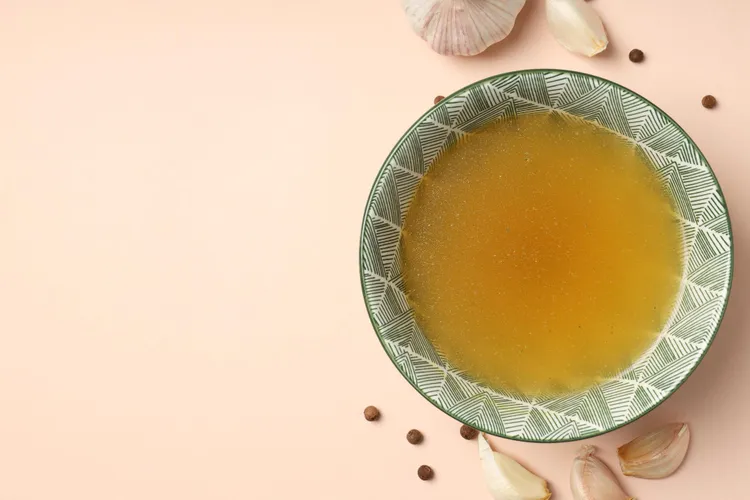
5. Onion Soup (The Simplest Version)
Even without fancy ingredients, onion soup is possible.
Basic version:
-
One onion, sliced
-
Oil or butter
-
Water or broth
-
Salt and pepper
Simmer slowly for a warming, comforting bowl.
Snacks and Small Bites You Can Make with One Onion
6. Crispy Pan-Fried Onions
Slice thin, cook slowly until golden and crisp.
Use them:
-
On toast
-
Over rice
-
As a snack
7. Onion Omelet or Pancake-Style Fritter
Mix chopped onion with egg and a little flour or breadcrumbs if available. Pan-fry until crisp.
This works even with very limited ingredients.
Flavor Bases You Can Build from One Onion
8. The Start of Almost Any Soup or Stew
That single onion sautéed in oil becomes the base for:
-
Vegetable soup
-
Lentil soup
-
Bean stew
-
Ramen upgrades
Even if you add only water and spices, the onion creates depth.
9. Sauce Starter
Cook onion until soft, then add:
-
Canned tomatoes
-
Cream or milk
-
Stock or pasta water
Blend or leave chunky - either way, you have sauce.
Comfort Food Ideas Using One Onion
10. Caramelized Onion Anything
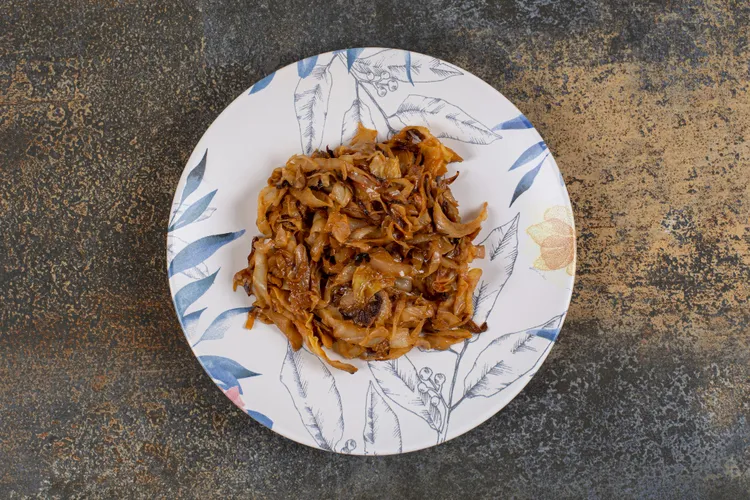
Slowly cooking an onion over low heat transforms it into something deeply comforting.
Use caramelized onions on:
-
Toast
-
Pasta
-
Rice
-
Eggs
They make simple food feel intentional.
Raw Onion Uses (When Cooking Feels Like Too Much)
If you don’t have the energy to cook:
-
Slice thin and add to sandwiches
-
Mix into canned beans
-
Add to salads or grain bowls
-
Toss with vinegar and salt for a quick pickle
Raw onion adds crunch and sharpness when food feels flat.
How One Onion Makes Other Foods Go Further
Onions stretch meals by:
-
Adding bulk
-
Enhancing flavor
-
Making simple carbs more satisfying
This is why they’re a staple in budget and comfort cooking.
Onion Storage Tips (So You Always Have One)
-
Store in a cool, dark, dry place
-
Keep away from potatoes
-
Use sprouting onions - they’re still edible
A single onion on hand can mean the difference between cooking and skipping meals.
One Onion Is Never “Nothing”
An onion might seem like the last thing left in your kitchen - but it’s actually a beginning. With a little heat, time, and creativity, one onion can become a meal, a snack, or the base for something comforting and real.
When everything feels limited, remember this: one onion is enough to start.
Latest