Everything You Need to Know About Browning Butter
If there’s one simple cooking trick that instantly makes you feel like a pro chef, it’s browning butter. In just a few minutes, ordinary butter transforms into something magical - nutty, toasty, caramel-scented, and deeply flavorful.
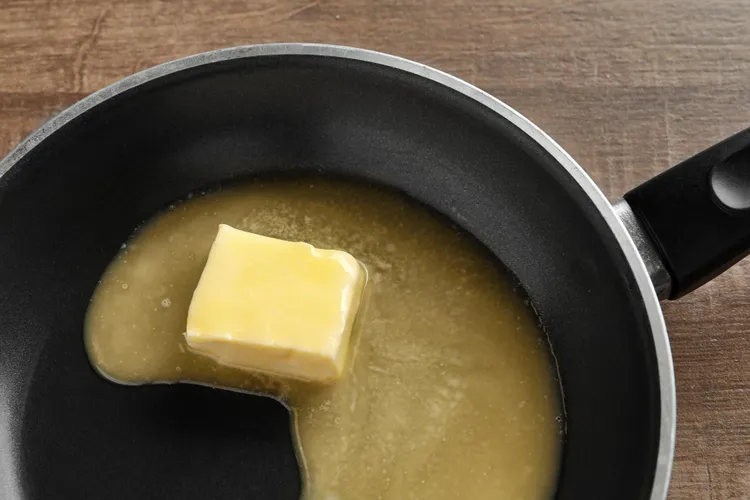
Brown butter (a.k.a. beurre noisette, meaning “hazelnut butter” in French) elevates everything it touches. Cookies become chewier, pasta tastes richer, vegetables get a gourmet twist, and sauces gain a dimension you can’t get from anything else.
The best part? It’s incredibly easy once you know what to look for.
In this complete guide, you’ll learn:
-
What brown butter is (and the science behind it)
-
How to brown butter perfectly every time
-
Tips, tricks, and common mistakes to avoid
-
How to store and freeze brown butter
-
Creative ways to use brown butter in sweet and savory dishes
-
Variations and flavor infusions
Let’s dive into butter’s glow-up moment.
What Is Brown Butter, Really?
Brown butter is simply butter that’s been heated until its milk solids toast, turning golden brown and giving off a nutty, caramel-like aroma.
Those tiny browned bits at the bottom?
That’s where ALL the flavor lives.
When butter browns, three things happen:
-
Water evaporates
→ The butter becomes more concentrated and aromatic. -
Milk solids sink and toast
→ These toasted bits create that signature nuttiness. -
Butterfat takes on deep flavor
→ Richer, more complex, and slightly sweet.
It’s the difference between plain melted butter vs. something that tastes like it came from a French restaurant.
The Science Behind Brown Butter
Butter is made of:
-
~80% fat
-
~16–18% water
-
~1–2% milk solids (proteins + sugars)
When heated:
-
The water steams off - the bubbling you see at first.
-
The milk solids fall to the bottom and cook.
-
Maillard reactions occur, creating those toasty aromas and deeper color.
Once it smells nutty and looks amber with browned specks, you’ve got brown butter.
How to Brown Butter Perfectly (Step-by-Step)
This is the easiest, most reliable method - no fancy equipment required.
You’ll need:
-
½ cup (or more) unsalted butter
-
Light-colored pan (this helps you see the browning)
-
Heat-proof spatula or whisk
Step-by-step instructions:
1. Cut the butter into pieces
It melts faster and more evenly. Bonus: less risk of burning.
2. Melt it over medium heat
You’ll see it go through stages:
-
Melting
-
Bubbling
-
Foaming
This is all normal - don’t walk away.
3. Keep stirring
Gently stir or swirl the pan. This lifts milk solids so they brown evenly.
4. Watch for color changes
It will shift from:
-
Yellow
-
To deeper yellow
-
To golden
-
To amber
The brown bits at the bottom = pure gold.
5. Smell for nuttiness
It should smell:
-
Nutty
-
Toasted
-
Slightly caramelized
Not burnt.
6. Remove from heat immediately
Brown butter can go from perfect to burnt in seconds. Transfer to a heat-safe bowl if you want to stop the cooking fast.
What Does Perfect Brown Butter Look Like?
-
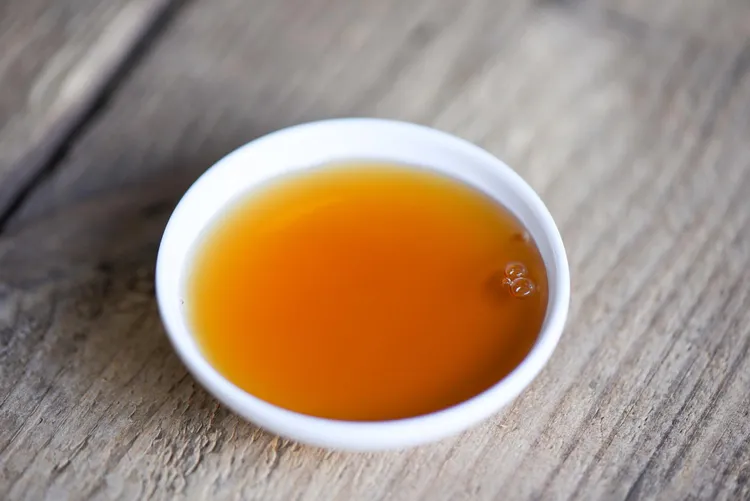
Deep golden color
-
Tiny brown bits suspended throughout
-
Glossy and fragrant
-
Smells like toasted nuts
If it’s dark brown or smells bitter?
You’ve gone too far.
Common Browning Butter Mistakes (and How to Avoid Them)
Mistake 1: Using salted butter
Salted butter tends to foam more and burn faster. Use unsalted butter for control.
Mistake 2: Not watching it
This is a 5-minute process. You NEED to stay near the pan.
Mistake 3: Browning on high heat
You’ll scorch the milk solids. Medium heat = best flavor and control.
Mistake 4: Using a dark pan
You can’t see the color change. A stainless steel or light pan is ideal.
How Much Brown Butter Do You Get?
Butter loses water as it browns, so:
½ cup (1 stick) butter → ~6 tablespoons brown butter
If a baking recipe calls for browned butter and then gives measurements, this matters!
How to Use Brown Butter in Sweet Recipes
This is where brown butter shines. It adds warm, toasty complexity that makes desserts taste "bakery-level good".
Try it in:
-
Chocolate chip cookies
-
Shortbread
-
Banana bread
-
Muffins
-
Brownies
-
Blondies
-
Frostings (brown butter buttercream = life-changing)
-
Pancake batter
-
Waffles
-
Crepes
Pro tip: If using brown butter in baking, let it cool slightly so it doesn’t scramble eggs.
How to Use Brown Butter in Savory Recipes
Not just for sweets - brown butter creates restaurant-worthy dishes in minutes.
Use it in:
-
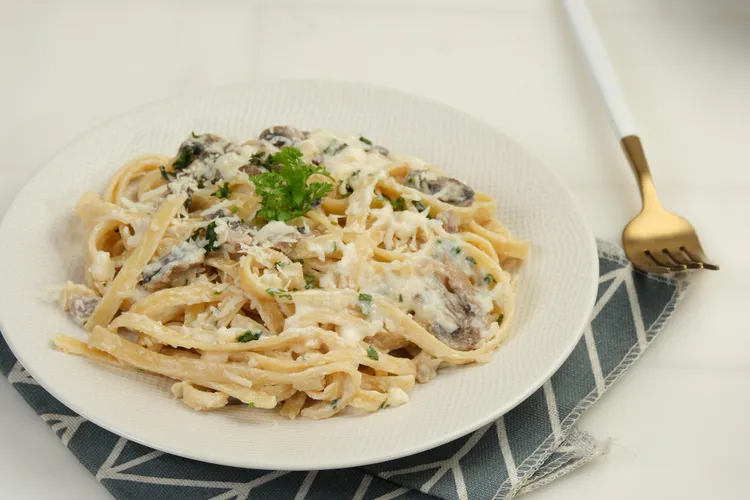
Pasta (brown butter sage pasta is iconic)
-
Gnocchi
-
Grilled fish or chicken
-
Seared scallops
-
Roasted vegetables
-
Mashed potatoes
-
Risotto
-
Eggs
-
Sautéed mushrooms
-
Grain bowls
Just drizzle over your dish, toss, and enjoy the instant upgrade.
Flavor Variations: Infuse Your Brown Butter
Want to take it to the next level? Try infusing brown butter with:
Herbs
-
Sage
-
Rosemary
-
Thyme
(Add them near the end so they crisp, not burn.)
Aromatics
-
Garlic
-
Shallots
-
Chili flakes
-
Lemon zest
Warm spices
-
Cinnamon
-
Nutmeg
-
Cardamom
Sweet additions
-
Vanilla bean
-
Maple
-
Honey
-
Brown sugar
Your kitchen will smell outrageous.
How to Store and Freeze Brown Butter
Brown butter is easy to make in big batches.
Refrigerator
Lasts: 2 weeks
Store in:
-
Jar
-
Airtight container
-
Covered bowl
Freezer
Lasts: 6 months
Freeze in:
-
Ice cube trays (for 1-2 tbsp cubes)
-
Small containers
-
Resealable bag (flattened for easy breaking)
Brown butter cubes = instant flavor bombs.
Clarified Butter vs. Brown Butter vs. Ghee
They’re related, but not the same.
| Type | What Happens | Flavor |
|---|---|---|
| Clarified Butter | Milk solids removed | Clean, pure |
| Ghee | Milk solids caramelize slightly | Nutty & rich |
| Brown Butter | Milk solids deeply toasted | Deeply nutty, caramel-like |
Brown butter has the strongest flavor of the three.
Brown Butter Is the Ultimate Flavor Shortcut
If you take nothing else from this guide, remember this:
Brown butter makes everything taste better - effortlessly.
It’s quick, inexpensive, and transforms both sweet and savory dishes with its nutty, toasted richness. Once you’ve mastered it, you’ll find yourself adding it to cookies, pasta, roasted veggies, sauces, breakfast foods… basically everything.
And the best part?
You only need butter, a pan, and 5 minutes.
Latest