Fluffy Pancakes? Yes, Please!
Fluffy pancakes aren’t just a breakfast - they’re a mood, a comfort, and a small celebration on a plate. Yet achieving that cloud-like texture can feel surprisingly tricky if you don’t know the little techniques that make all the difference. With just a bit of know-how, you can turn any ordinary batter into stack after stack of perfectly soft, sky-high pancakes.
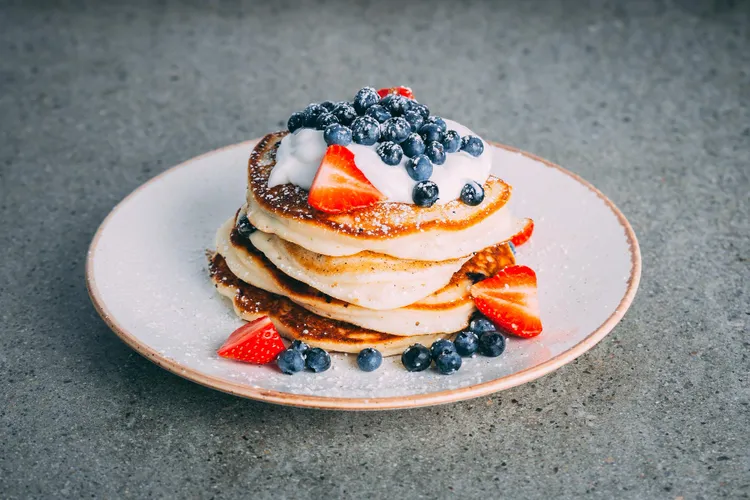
There are few breakfast moments more joyful than cutting into a stack of pancakes so fluffy they practically sigh under your fork. The kind that rise tall and tender, with golden edges, soft middles, and that irresistible melt-in-your-mouth texture. But fluffy pancakes don’t happen by accident - they’re the result of small, deliberate choices that turn a simple batter into a breakfast masterpiece. Whether you’re cooking for a lazy Sunday morning or pulling off a weekday treat, understanding what makes pancakes rise, brown, and stay pillowy sets you up for guaranteed success every time.
It all begins with the dry ingredients. Flour is the structure, but too much of it leads to flat, tough pancakes, while too little causes the batter to spread into thin disks. The magic is in the gentle balancing act: using just enough flour to support lift without weighing the batter down. Baking powder and baking soda are the secret engines, releasing bubbles that help your pancakes puff beautifully. Freshness matters - old leaveners lose power, leaving you with disappointing results. A quick test is to drop a bit into hot water; if it fizzes vigorously, you’re good to go. Even sugar has a job beyond sweetness: it encourages browning, helping you get that perfect warm, golden hue on the griddle.
Then comes the wet ingredients, where texture and flavor truly develop. Eggs bind the batter and add richness, but they also trap air when whisked, contributing to height. Milk brings moisture, but using buttermilk or yogurt takes fluffy pancakes to a new level by reacting with baking soda to create extra lift. If you don’t have buttermilk, a simple mix of milk with a splash of lemon juice or vinegar works the same way. Melted butter adds flavor but can weigh down the batter if used too generously. Its richness should complement the rise - not suppress it - so moderation is key.
But the real turning point happens when the dry and wet worlds meet. Overmixing is the number-one pancake villain. When you stir too much, gluten develops and makes pancakes tough. Those few lumps left in the batter? They’re your friends. They signal that you’ve mixed just enough to combine ingredients without tightening the structure. Think of pancake batter like a delicate handshake rather than a firm grip. Similarly, giving the batter a few minutes to rest allows the flour to hydrate and the leaveners to activate quietly in the background. This pause alone can turn average pancakes into cloudlike ones.
Once the batter is ready, heat control becomes your next superpower. Many pancakes fail because the pan is either too hot or too cool. A griddle set to medium heat - or a pan that allows a drop of water to dance but not evaporate instantly - is ideal. Too high, and the outside burns before the inside cooks; too low, and pancakes dry out and never develop that gorgeous color. A bit of oil or butter sets the stage, but wiping the excess prevents greasy edges. When small bubbles appear across the surface and the edges look slightly set, it’s time to flip. Only once - pancakes don’t like being disturbed. A gentle, confident turn rewards you with that photogenic, perfectly risen second side.
And because pancake perfection is in the details, even serving matters. Keeping finished pancakes warm in a low oven preserves their fluffiness without drying them out. Stacking them helps retain moisture, and a pat of butter melting between layers adds that luxurious touch. Real maple syrup is the classic pairing, but homemade fruit compote, whipped honey, brown-butter drizzle, or even a dollop of Greek yogurt can turn an ordinary breakfast into something memorable. If you like add-ins such as blueberries or chocolate chips, scatter them on the batter after pouring it into the pan - not before - so the pancakes cook evenly and don’t get weighed down.
Of course, fluffy pancakes are endlessly customizable. Want even lighter cakes? Separate the egg whites, whip them to soft peaks, and fold them gently into the batter. Prefer a more tender bite? Add a spoonful of oil along with the butter. Need gluten-free? A 1-to-1 flour blend works surprisingly well when you let the batter rest a little longer. Vegan? Use plant milk with a splash of vinegar, a flax egg, and a bit more baking powder for lift. Pancakes, after all, are wonderfully adaptable.
What makes fluffy pancakes so charming is not just their height or softness - it’s the feeling they bring. They turn an ordinary morning into something warm and indulgent. They invite lingering at the table, sharing bites, and savoring moments that feel slow and special. And once you understand the simple science behind them, you can create that magic anytime, with confidence and ease. So the next time you whisk together a bowl of batter and heat your griddle, remember: fluffiness isn’t luck. It’s a delicious combination of technique, patience, and just enough restraint to let the ingredients do their job.
Fluffy pancakes? Absolutely -yes, please.
Latest