Foods That Support Serotonin Naturally: Boost Your Mood Through Nutrition
Ever notice how certain foods seem to lift your mood while others leave you feeling sluggish or irritable? That’s not just in your head. What you eat plays a powerful role in how your brain produces serotonin - the neurotransmitter often called the “feel-good chemical.” We’ll explore foods that support serotonin naturally and how simple dietary choices can help improve mood, emotional balance, and overall well-being.

What Is Serotonin and Why Is It So Important?
Serotonin is a neurotransmitter that helps regulate mood, happiness, sleep, appetite, digestion, memory, and even social behavior. While it’s commonly associated with the brain, about 90% of serotonin is actually produced in the gut, which is why diet and gut health are so closely linked to mental health.
Low serotonin levels have been associated with:
-
Low mood or depression
-
Anxiety and irritability
-
Sleep disturbances
-
Sugar cravings
-
Digestive issues
The good news? Your body can make serotonin naturally - if you give it the right nutritional building blocks.
How Food Helps the Body Produce Serotonin
Serotonin is made from an amino acid called tryptophan. However, tryptophan doesn’t work alone. To convert it into serotonin, your body also needs:
-
Complex carbohydrates
-
B vitamins (especially B6, B9, and B12)
-
Magnesium
-
Iron
-
Omega-3 fatty acids
-
A healthy gut microbiome
That’s why eating a balanced, nutrient-dense diet is far more effective than focusing on a single “magic” food.
Best Foods That Support Serotonin Naturally
1. Eggs
Eggs are a nutritional powerhouse for brain health. They contain tryptophan along with vitamin B6 and B12, which help convert tryptophan into serotonin. The yolk is especially valuable, providing choline for brain function and vitamin D, which may influence mood regulation.
How to enjoy: Boiled eggs, veggie omelets, or scrambled eggs with whole-grain toast.
2. Salmon and Fatty Fish
Fatty fish like salmon, sardines, mackerel, and tuna are rich in omega-3 fatty acids, which support communication between brain cells and help regulate serotonin activity.
Omega-3s don’t directly create serotonin, but they improve how efficiently serotonin works in the brain - making them essential for long-term mood support.
How to enjoy: Grilled salmon, fish tacos, or canned sardines on whole-grain crackers.
3. Nuts and Seeds
Almonds, walnuts, cashews, pumpkin seeds, sunflower seeds, and flaxseeds provide tryptophan, magnesium, zinc, and healthy fats - all crucial for serotonin production.
Walnuts and flaxseeds are also excellent plant-based sources of omega-3s.
How to enjoy: Add to oatmeal, salads, smoothies, or enjoy as a snack.
4. Turkey and Chicken
Poultry is well-known for its tryptophan content. While tryptophan alone won’t instantly boost serotonin, pairing poultry with complex carbohydrates helps more tryptophan cross the blood-brain barrier.
How to enjoy: Roasted chicken with quinoa, turkey and avocado wraps, or chicken stir-fry with brown rice.
5. Dairy Products
Milk, yogurt, and cheese contain tryptophan, calcium, and probiotics (especially in fermented dairy). Yogurt with live cultures supports gut health, which is essential for serotonin production.
How to enjoy: Greek yogurt with berries, kefir smoothies, or cottage cheese with fruit.
6. Bananas
Bananas contain vitamin B6, which helps convert tryptophan into serotonin. They also provide natural carbohydrates that support steady blood sugar - important for mood stability.
While bananas don’t contain serotonin that crosses into the brain, they strongly support the process of serotonin synthesis.
How to enjoy: As a snack, blended into smoothies, or sliced over oatmeal.
7. Oats and Whole Grains
Whole grains like oats, brown rice, quinoa, barley, and whole wheat help serotonin production by:
-
Providing complex carbohydrates
-
Supporting insulin release that helps tryptophan reach the brain
-
Delivering B vitamins for neurotransmitter synthesis
How to enjoy: Oatmeal, whole-grain toast, grain bowls, or brown rice dishes.
8. Legumes (Beans, Lentils, Chickpeas)
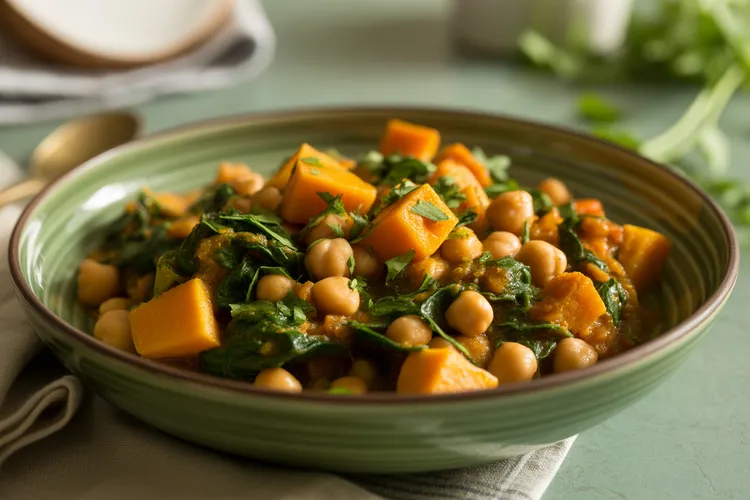
Legumes are rich in tryptophan, iron, fiber, and B vitamins. They also support gut health by feeding beneficial bacteria, which indirectly boosts serotonin production.
How to enjoy: Lentil soup, chickpea salads, hummus, or bean-based stews.
9. Dark Chocolate (in Moderation)
Dark chocolate (70% cocoa or higher) contains compounds that stimulate serotonin and endorphin release. It also provides magnesium, which helps calm the nervous system.
How to enjoy: A small square after meals or mixed into healthy desserts.
10. Fermented Foods
Fermented foods support gut health, which is essential since most serotonin is produced in the digestive tract.
Top serotonin-supporting fermented foods include:
-
Yogurt with live cultures
-
Kefir
-
Sauerkraut
-
Kimchi
-
Miso
-
Tempeh
How to enjoy: Add small servings regularly rather than large amounts occasionally.
Nutrients That Enhance Serotonin Production
To maximize serotonin naturally, focus on these key nutrients:
-
Vitamin B6: Bananas, chickpeas, poultry
-
Folate (B9): Leafy greens, lentils, avocados
-
Vitamin B12: Eggs, dairy, fish
-
Magnesium: Nuts, seeds, dark chocolate, spinach
-
Iron: Legumes, red meat, spinach
-
Omega-3s: Fatty fish, walnuts, flaxseeds
Lifestyle Tips That Work Alongside Serotonin-Boosting Foods
Food works best when combined with healthy habits:
-
Get sunlight daily to support serotonin synthesis
-
Exercise regularly, especially walking and strength training
-
Prioritize sleep, as serotonin helps regulate melatonin
-
Manage stress, since chronic stress depletes serotonin
-
Support gut health with fiber and probiotics
Common Myths About Serotonin and Diet
Myth: Eating serotonin-rich foods instantly boosts mood
Truth: Serotonin itself doesn’t cross the blood-brain barrier - your body must make it.
Myth: One food can fix low serotonin
Truth: Balanced nutrition and lifestyle habits work together.
Eat for a Happier, Healthier Mind
Supporting serotonin naturally isn’t about restrictive diets or miracle foods - it’s about nourishing your body consistently with whole, nutrient-rich ingredients. By choosing foods that support serotonin production and gut health, you’re giving your brain the tools it needs to maintain balance, resilience, and emotional well-being.
Small changes add up. Start with one or two serotonin-supporting foods today, and let your meals become part of your mental wellness routine.
Disclaimer: This article is for educational purposes only and does not replace professional medical advice. If you have ongoing mood concerns, consult a qualified healthcare provider.
Latest