Mexican Street Tacos: The Only Taco Guide You'll Ever Need
Proper corn tortillas, three fillings, two salsas - and the understanding of why street tacos are nothing like restaurant tacos
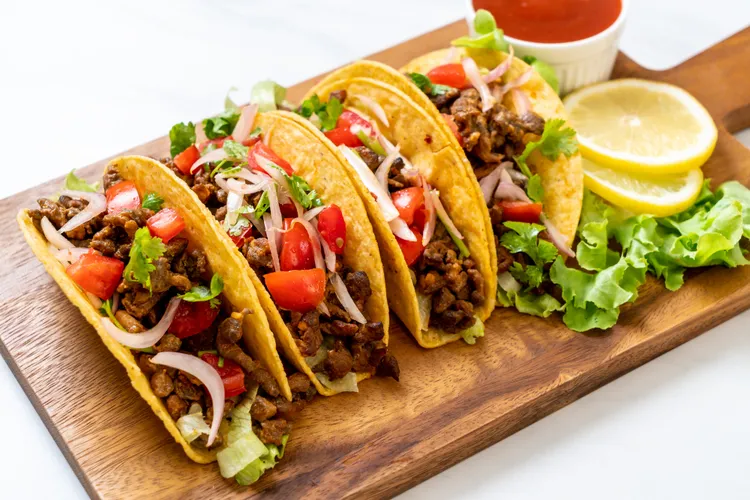
The taco is the most misrepresented food in the world.
Not because people dislike it. Quite the opposite - the taco has been embraced so enthusiastically across so many cultures that it has been stretched, adapted, and reimagined into dozens of forms that share a name and a basic structure but bear little resemblance to the original. The flour tortilla. The crispy shell. The iceberg lettuce. The sour cream. The cheddar cheese. The generous, overstuffed portions that require two hands and still fall apart.
None of this is a street taco.
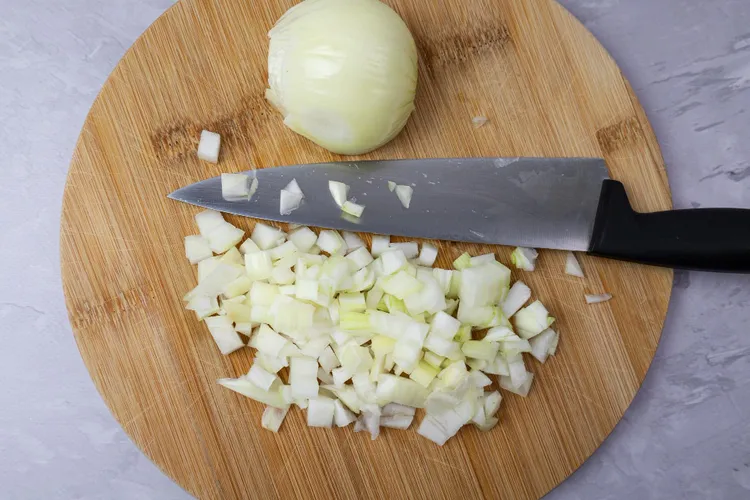
A street taco from a taquería in Mexico City is small - two or three bites. It sits in two small corn tortillas, stacked, slightly charred from the comal. The filling is roughly chopped, generously seasoned, and added in a modest portion that the tortillas can actually contain. The toppings are finely diced white onion, fresh coriander, a squeeze of lime, and salsa - verde or roja, your choice. That is everything. Nothing else belongs.
The simplicity is the point. The flavor - of properly marinated and cooked pork al pastor, or seared carne asada, or charred mushroom and chipotle - is the point. The tortilla is not a vessel for other flavors; it is a flavor in its own right. And the balance of filling, tortilla, and fresh toppings is calibrated so precisely that adding more of any element throws everything off.
This guide teaches you to make that taco. The proper one.
📖 The masa harina question: Corn tortillas require masa harina - nixtamalised corn flour that has been treated with alkali (traditionally lime water) to make the nutrients bioavailable and to develop the specific flavor and texture of a corn tortilla. Plain corn flour, cornmeal, or polenta are not substitutes. Masa harina is available at Latin grocery stores and online. Buy it before you start. See the Global Street Food Pantry guide for sourcing notes.
Part 1: The Corn Tortilla
The tortilla is not a supporting player. In a street taco, where the filling is modest and the toppings are minimal, the tortilla carries a significant portion of the total flavor - the faintly sweet, earthy, slightly smoky character of nixtamalised corn that is completely absent from flour tortillas and from the packaged corn tortillas sitting on supermarket shelves.
Making corn tortillas at home is not difficult. It requires one specialist ingredient (masa harina), one specialist piece of equipment (a tortilla press, or a workaround), and practice - the first few will be imperfect, and by the tenth you will wonder why you ever bought them pre-made.
The Science of Nixtamalisation
Masa harina is made from dried maize kernels that have been soaked and cooked in an alkaline solution - traditionally water mixed with cal (slaked lime, calcium hydroxide, not the citrus fruit). This process, called nixtamalisation, does several things simultaneously: it loosens the outer hull of the corn kernel, makes niacin (vitamin B3) bioavailable (the lack of which causes pellagra in populations that eat unnixtamalised corn), and fundamentally changes the flavor and texture of the corn. The result has an earthy, slightly mineral depth that raw corn flour doesn't have. It is this specific flavor that makes a corn tortilla taste like a corn tortilla.
Ingredients (Makes 16 small tortillas)
- 250g masa harina (Maseca or Minsa brands are widely available and reliable)
- 330–360ml warm water - start with 330ml and add more as needed
- ½ tsp fine sea salt
- 1 tsp lard or vegetable shortening (optional but traditional - adds suppleness and a subtle flavor)
Equipment
- Tortilla press (tortillera) - a hinged cast iron or heavy plastic press with two flat plates. Available online for £10-20 and produces perfectly round, perfectly thin tortillas. Worth the investment if you make tacos regularly.
- No press? Place the dough ball between two sheets of cling film and press firmly with the flat bottom of a heavy saucepan or cast iron pan. Less perfectly round, equally good.
- A comal or cast iron skillet - the flat griddle for cooking the tortillas. A cast iron pan is the best home substitute.
Method
Step 1: Make the masa dough Combine masa harina and salt in a large bowl. Add warm water gradually, mixing with your hands as you go. The dough should come together into a smooth, pliable ball that doesn't crack when pressed and doesn't stick to your hands. If it cracks at the edges when pressed: too dry - add water a tablespoon at a time. If it sticks: too wet - add masa harina a tablespoon at a time.
The correct consistency is often described as "like Play-Doh" - smooth, slightly warm from the water, holding its shape without effort. Rest the dough covered with a damp cloth for 15 minutes. This allows the masa harina to fully hydrate.
Step 2: Press the tortillas Divide the dough into balls of approximately 30g each - slightly smaller than a golf ball. Keep them covered under the damp cloth while you work to prevent drying.
Line both plates of the tortilla press with squares of cling film or a cut-open zip-lock bag. Place a dough ball in the centre, close the press, and press firmly. Open the press and peel the tortilla from the plastic. It should be approximately 15cm in diameter and 2-3mm thick.
For a taco-sized tortilla, press firmly for a thin, pliable result. For a tostada base, press less firmly for a thicker disc that will hold more weight without breaking.
Step 3: Cook the tortillas Heat a dry comal or cast iron skillet over medium-high heat until very hot. Place the tortilla directly on the dry surface - no oil. Cook for 45-60 seconds until the underside develops light brown spots and the top surface looks slightly dry. Flip. Cook for another 45–60 seconds on the second side. The tortilla should puff slightly - one or two small bubbles appearing on the surface - which indicates the steam inside is creating the layers that make a tortilla pliable rather than brittle.
Step 4: Keep warm Place cooked tortillas in a folded tea towel or a dedicated tortilla warmer as they come off the heat. The steam trapped between the tortillas keeps them warm and pliable. Tortillas left exposed to air harden within minutes.
The Double Tortilla
Street tacos are served with two tortillas stacked together - not one. This is not generosity; it is structural engineering. A single corn tortilla, loaded with juicy filling and salsa, tears. Two tortillas together absorb the liquid, support the filling, and hold their shape through the final bite. Always double up.
Part 2: Al Pastor - The King of Street Taco Fillings
Al pastor is the filling that defines Mexico City taco culture - marinated pork cooked on a vertical spit (trompo), shaved to order, topped with a sliver of pineapple. Its origins are Lebanese: the technique is directly descended from shawarma, brought to Mexico by Lebanese immigrants in the early 20th century who substituted pork for lamb and local chili for Middle Eastern spices. The result is one of the greatest examples of culinary fusion in history, and one of the most beloved street foods on earth.
At home, you will not have a trompo. But the marinade - the real element that makes al pastor what it is - is entirely achievable, and a very hot cast iron pan or outdoor grill produces a result that captures the essential character of the dish.
The Al Pastor Marinade
Ingredients (serves 4, with leftover marinade)
- 600g pork shoulder, sliced into 1cm steaks - pork shoulder has the fat content that makes al pastor juicy and flavorful; pork loin is too lean and becomes dry
- 3 dried guajillo chilies, stems and seeds removed, soaked in boiling water for 15 minutes
- 2 dried ancho chilies, stems and seeds removed, soaked with the guajillos
- 3 tbsp achiote paste (also called annatto paste) - provides the characteristic deep red-orange color and a faintly earthy, slightly floral flavor. Available at Latin grocery stores or online.
- 4 cloves garlic
- ½ white onion, roughly chopped
- 3 tbsp white wine vinegar or apple cider vinegar
- 2 tbsp fresh orange juice
- 1 tbsp fresh lime juice
- 1 tsp ground cumin
- 1 tsp dried oregano (Mexican oregano if available - more citrusy than Mediterranean)
- 1 tsp fine sea salt
- ½ tsp black pepper
- 1 tsp chipotle in adobo (optional - adds smokiness)
For cooking and serving:
- 200g fresh pineapple, cut into 1cm rings
- Vegetable oil for the pan
Method
Step 1: Make the marinade Drain the soaked chilies and blend with all remaining marinade ingredients until completely smooth. Taste - it should be earthy, slightly tangy, moderately spiced, with a faint sweetness from the orange juice. Adjust salt and heat (add more chipotle for more smoke and heat).
Step 2: Marinate the pork Place pork slices in a shallow dish or zip-lock bag. Pour the marinade over, ensuring every piece is completely coated. Refrigerate for a minimum of 4 hours - overnight is better and significantly improves the flavor. The pork will turn a deep red-orange.
Step 3: Cook Remove the pork from the fridge 30 minutes before cooking. Pat very lightly dry - not fully dry, but remove the excess marinade that would burn rather than caramelise.
Heat a cast iron skillet over maximum heat until smoking. Add a thin film of oil. Cook the pork steaks in a single layer (work in batches) for 3-4 minutes per side, until deeply charred at the edges and cooked through. The marinade should caramelise against the hot pan, creating a dark, slightly charred crust.
While the pork is cooking, char the pineapple rings in the same pan - 2 minutes per side until caramelised and slightly softened.
Step 4: Chop and serve Transfer cooked pork to a chopping board. Chop roughly into small pieces - the correct texture for street tacos is roughly chopped rather than sliced, so each portion is a mixture of caramelised exterior and juicy interior. Chop the charred pineapple into small pieces and mix through.
Part 3: Carne Asada
Carne asada - grilled beef - is the other great street taco filling. Where al pastor is complex and layered (the marinade, the trompo, the pineapple), carne asada is about the quality of the beef and the heat of the grill. A good carne asada marinade tenderises and seasons the meat; the grill does the rest.
Ingredients (serves 4)
- 600g skirt steak or flank steak - these cuts are the traditional choice for carne asada. They have pronounced grain, good fat marbling, and enough connective tissue to benefit from a marinade. Ribeye can be used for a richer result; avoid very lean cuts.
- 4 cloves garlic, minced
- Juice of 2 limes
- Juice of 1 orange
- 3 tbsp vegetable oil
- 1 tsp ground cumin
- 1 tsp smoked paprika
- 1 tsp dried oregano
- ½ tsp chili powder
- ½ tsp fine sea salt
- Large handful fresh coriander, roughly chopped - added to the marinade, not just as garnish
Method
Marinate: Combine all marinade ingredients. Score the steak lightly on both sides to help the marinade penetrate. Coat thoroughly and refrigerate for 2-8 hours. Longer marination beyond 8 hours in a citrus-heavy marinade begins to break down the muscle fibres excessively, producing a mealy texture.
Cook: The goal is maximum char on the exterior and medium-rare to medium interior. This requires very high heat and short cooking time.
On an outdoor grill: maximum heat, 3-4 minutes per side for skirt steak. On a cast iron skillet: maximum heat, 3 minutes per side. Rest for 5 minutes before cutting.
Slice: Always cut carne asada against the grain - skirt and flank steak have a very pronounced grain and cut with the grain produces tough, stringy pieces. Identify the direction of the muscle fibres and cut perpendicular to them, in thin slices.
Part 4: Mushroom and Chipotle (Vegan)
This is not the vegan version as an afterthought. This is a genuinely excellent taco filling that stands completely on its own - earthy, smoky, slightly charred mushrooms in a chipotle sauce that has all the complexity of the meat versions without any compromise in flavor.
Ingredients (serves 4)
- 500g mixed mushrooms - a combination works best: portobello (meaty, substantial), oyster (delicate, slightly silky), shiitake (deep umami). Tear rather than cut - torn mushrooms have more surface area and char better.
- 3 tbsp chipotle in adobo, blended smooth (adjust to heat preference - chipotles in adobo vary in intensity)
- 3 cloves garlic, minced
- 1 tbsp soy sauce or tamari
- 1 tbsp lime juice
- 1 tsp ground cumin
- 1 tsp smoked paprika
- 2 tbsp vegetable oil
- Salt to taste
Method
Toss torn mushrooms with all remaining ingredients and rest for 15 minutes - mushrooms don't need a long marinade. Heat a cast iron skillet over maximum heat. Spread mushrooms in a single layer - do not crowd or they steam rather than char. Cook without stirring for 3-4 minutes until deeply charred on one side. Toss once and cook for another 2 minutes. The mushrooms should be deeply browned, slightly crispy at the edges, and reduced in volume by about half. Season with salt and a final squeeze of lime.
Part 5: The Two Salsas
Street tacos are served with salsa verde (tomatillo-based, sharp and bright) or salsa roja (tomato-based, deeper and earthier), or both. Full recipes for both are in The Street Food Sauce Bible. Here are the essential notes for taco service specifically.
Salsa Verde - the brighter, sharper choice. Made from roasted tomatillos, serrano chili, garlic, and coriander. It cuts through the richness of al pastor and carne asada with a tartness that refreshes between bites. The correct consistency for taco salsa is pourable but not watery - thicker than a dressing, thinner than a paste.
Salsa Roja - deeper, slightly smokier, made from roasted tomatoes, dried chilies, and garlic. It has more body than salsa verde and pairs particularly well with mushroom-chipotle tacos where it adds color and depth.
The rule: Make both. Let guests choose. Both keep for 5 days refrigerated.
Part 6: Assembly - The Correct Taco
This section exists because assembly is not obvious and incorrect assembly is the primary reason home tacos disappoint.
The sequence:
- Two warm, pliable corn tortillas, stacked
- A modest portion of filling - 60-80g, no more. The tortilla must contain it.
- A pinch of very finely diced white onion (not red, not caramelised - raw white onion, very fine)
- A pinch of fresh coriander leaves (not stalks - just the leaves for garnish)
- A teaspoon of salsa - applied to the filling, not pooled at the bottom
- A squeeze of fresh lime directly over everything
What does not belong: Sour cream, cheese, shredded lettuce, guacamole (serve guacamole alongside, not in the taco), rice, beans inside the taco (serve on the side). These additions are Tex-Mex, not street taco. They are not wrong in themselves - they are wrong in this context.
Eat immediately. A taco held for more than 90 seconds while other tacos are assembled becomes a soggy taco. Assemble and hand to people one at a time, or have guests assemble their own.
The Full Taco Spread: Serving for a Group
Street tacos are social food - designed to be made in quantity, shared at a table, and eaten standing or sitting with a cold drink in hand. For a group of 6-8 people:
- Make all three fillings - al pastor, carne asada, mushroom. Keep warm in separate covered pans.
- Make a double batch of corn tortillas - keep wrapped in a clean towel in a low oven (60°C).
- Both salsas, in small bowls.
- Small bowls of finely diced white onion, fresh coriander, and lime wedges.
- Guacamole and black beans on the side.
Set everything on the table and let people build their own. This is the correct format - the taquería format - and it produces a dinner that is simultaneously relaxed and impressive.
Pro Tips
- The masa dough dries out fast. Keep all dough balls covered with a damp cloth at all times. Once the surface dries and cracks, the tortilla will crack when pressed and tear when cooked.
- Test your first tortilla before cooking all of them. Press one, cook it, taste it. If it's too thick (doughy), press more firmly. If it's cracking at the edges, the dough is too dry - add water and re-knead.
- The cast iron pan must be genuinely hot for the fillings. Al pastor and carne asada need maximum heat for the char that defines the flavor. A moderately hot pan produces grey, steamed meat instead of caramelised, charred taco filling. Wait for the pan to smoke before adding anything.
- Leftover masa dough: Store in a zip-lock bag in the fridge for up to 3 days. The hydration may need adjusting after refrigeration - add a small amount of warm water and knead briefly before pressing.
- Leftover tortillas: Store in a zip-lock bag at room temperature for 2 days, or refrigerate for 5 days. Reheat directly on a dry pan for 30 seconds per side. Never microwave - they become rubbery.
Common Mistake: Filling the Taco Too Generously The instinct is to pile the filling high. The result is a taco that cannot be eaten without everything falling out - which means eating the filling with a fork from a pile of broken tortillas. A street taco is small, restrained, and structurally sound. Two small tacos are better than one large one that collapses. Use 60-80g of filling maximum per double tortilla. The flavors are concentrated enough that you don't need more.
FAQ
Q: Can I use flour tortillas instead of corn?
Technically yes, but the result is a burrito or a wrap, not a street taco. Flour tortillas are thicker, softer, and have a completely different flavor profile. For an authentic street taco experience, corn tortillas are non-negotiable. Making them at home is genuinely easy once you have masa harina.
Q: Where can I find masa harina?
Latin grocery stores (the most reliable source), large supermarkets in areas with a Latin American community (increasingly available), and online (Maseca ships widely). Do not substitute with corn flour, cornmeal, or polenta - these are made from untreated corn and lack the flavor and binding properties of nixtamalised masa harina.
Q: Can I make the al pastor marinade in advance?
Yes - the marinade keeps refrigerated for 1 week and frozen for 3 months. You can also marinate the pork and freeze it raw in the marinade - thaw overnight in the fridge and cook directly. This is an excellent meal-prep strategy for weeknight tacos.
Q: How do I keep tortillas warm while cooking multiple batches?
Wrap cooked tortillas in a clean tea towel and place in a low oven (60°C) or a tortilla warmer. The steam trapped between the tortillas keeps them pliable. Do not leave them uncovered - they harden within minutes.
Q: Is this recipe suitable for a taco night party?
It is ideal for a taco night party - the format is built for group serving. Make all fillings in advance (they reheat well), make the tortillas as close to serving time as possible, and set up a self-serve assembly station. Budget 6-8 tacos per person for a main course.
🔗 Continue Exploring
- The Street Food Sauce Bible: 15 Sauces from 15 Countries - Salsa Verde, Chimichurri
- Peruvian Anticuchos: The Street Food Secret of Lima
- Brazilian Coxinha: The Teardrop Croquette Everyone's Obsessed With
- How to Fry Like a Street Food Vendor: The Complete Home Guide
- Greek Souvlaki at Home: The Complete Guide
- 10 Street Food Dishes You Can Make in 30 Minutes or Less
- Global Street Food at Home: The Ultimate Guide
Latest