The Perfect Arancini: Sicily's Greatest Street Food at Home
The risotto ball that launched a thousand imitations - and how to make the real thing
Every great street food has a hierarchy of versions. There is the version you make when you're learning - cautious, slightly uncertain, technically correct but not yet confident. There is the version you make after you've made it ten times - faster, more assured, the result noticeably better. And then there is the version that happens when you understand not just what to do, but why each step matters.
Arancini are worth pursuing to that third version.
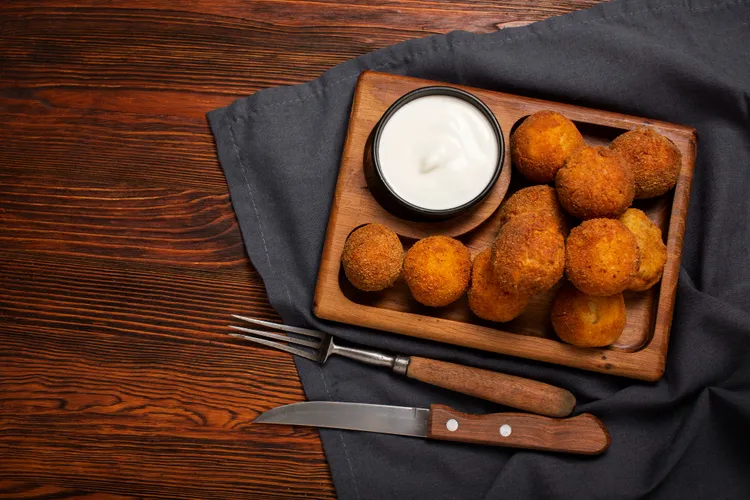
They are, on paper, a simple thing: a ball of seasoned risotto, encasing a filling, coated in breadcrumbs, deep-fried until golden. But the details - the specific stickiness of the risotto that allows it to be shaped without falling apart, the temperature of the oil that produces a crust simultaneously thin and shattering, the precise moment to remove them from the fryer - are what separate an arancino you'll dream about from one that's merely fine.
This guide teaches all of it. The risotto base, made properly (not substituted with pre-cooked rice). Three fillings - the classic ragù, a mozzarella and ham version, and a mushroom and truffle version that is entirely vegan. The shaping technique, the coating, the frying, and the serving. By the end, you will understand arancini the way a Palermo market vendor understands them - not as a recipe to follow, but as a process to own.
📖 The frying is the final and most critical step. Before you start: read How to Fry Like a Street Food Vendor: The Complete Home Guide. Oil temperature, batch size, and draining technique determine whether your arancini emerge golden and crispy or pale and greasy. The risotto base and filling can be perfect; wrong frying ruins everything.
The Arancini of Sicily: A Brief History
Arancini (the word means "little oranges" in Sicilian - a reference to their golden, roughly spherical shape) have been made in Sicily since at least the 10th century, during the Arab rule of the island that introduced saffron, rice, and a sweet-savory cooking philosophy to Sicilian cuisine. The original was likely a simple rice ball seasoned with saffron and herbs - portable, filling, designed for field workers and travellers.
The filling evolved over centuries as Sicily's complex history added new ingredients and influences. The ragù filling came from the Spanish and Norman periods. The mozzarella version from the southern Italian dairy tradition. The modern arancino as a street food - sold from market stalls and friggitorie (fry shops) throughout Sicily — solidified in the 19th and 20th centuries and has remained essentially unchanged since.
The arancina vs arancino debate: In Palermo, the correct word is arancina (feminine) and the shape is round. In Catania and eastern Sicily, the word is arancino (masculine) and the shape is conical - pointed at the top, supposedly representing Mount Etna. This regional distinction is taken very seriously in Sicily. For this recipe, we make both shapes and refuse to take sides.
The Risotto Base: Why You Cannot Skip This
Many arancini recipes - particularly those designed for speed - tell you to make risotto from a packet, use leftover rice, or substitute with short-grain rice cooked in stock. These shortcuts produce arancini that fall apart during shaping, crack during frying, or have a gummy, stodgy interior instead of the creamy, cohesive texture that makes a properly made arancino extraordinary.
The risotto base matters because:
Starch development is structural. The slow, gradual addition of hot stock to risotto rice (carnaroli or arborio) develops the surface starch of the rice grains in a specific way - creating a creamy, slightly sticky matrix that holds the ball together during shaping and frying. Rice cooked by absorption (as in a pilaf or from a packet) doesn't develop this starch structure.
The fat content matters. A properly made risotto base contains butter, parmesan, and the natural fat from cooking - all of which contribute to the richness and binding quality of the finished arancino. A lean rice base produces a dry, crumbly result.
The flavoring is foundational. The saffron and parmesan in the base risotto provide a flavor that runs through every bite, even those without filling. A plain rice base produces an arancino that tastes of nothing until you reach the filling.
Make the risotto properly. It is the investment that makes everything else worthwhile.
Ingredients
Makes approximately 12 large arancini
The Risotto Base
- 400g carnaroli or arborio rice - carnaroli is preferred (holds its structure better during the second cooking in the fryer); arborio works well
- 1.5 litres hot chicken or vegetable stock - kept hot throughout cooking; cold stock added to hot rice drops the temperature and breaks the cooking process
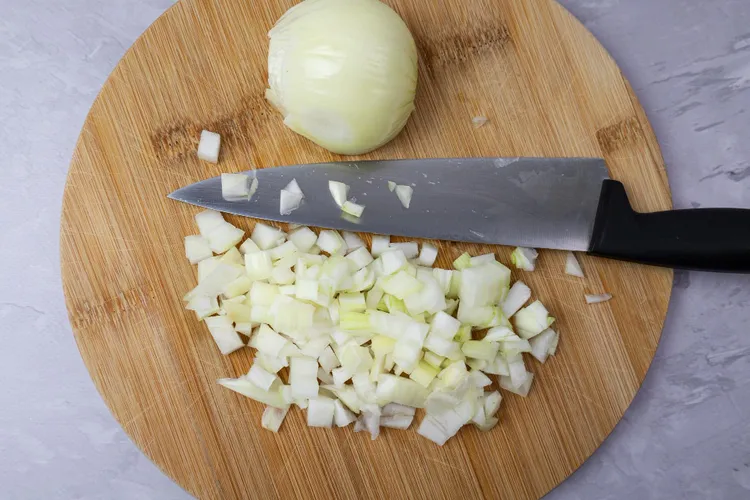
- 1 medium white onion, very finely diced
- 2 cloves garlic, very finely minced
- 150ml dry white wine
- Large pinch of saffron threads (about ½ tsp), dissolved in 3 tbsp of the hot stock
- 60g unsalted butter, cut into cubes - cold, for the mantecatura step
- 80g Parmesan, finely grated - plus extra for serving
- 3 tbsp extra virgin olive oil
- 1 tsp fine sea salt
- White pepper to taste
The Coating
- 150g plain flour, seasoned with salt and pepper
- 4 large eggs, beaten with 2 tbsp water
- 300g fine dried breadcrumbs - panko (Japanese breadcrumbs) produces a lighter, crispier crust; standard fine dried breadcrumbs produce a more traditional, slightly denser crust. Both are excellent.
- Oil for frying - refined sunflower or vegetable oil, enough to fill your frying vessel one-third (approximately 1.5-2 litres)
Filling 1: Classic Ragù (Sicilian Meat Sauce)
The most traditional filling - slow-cooked meat ragù with peas, a combination that appears in arancini throughout Sicily and is the flavor most Sicilians mean when they say "arancini."
Ingredients
- 200g beef mince (or a mixture of beef and pork)
- 100g chicken livers, finely chopped - optional but traditional; adds depth
- 1 small white onion, finely diced
- 1 carrot, finely diced
- 1 stick celery, finely diced
- 2 cloves garlic, minced
- 150ml red wine
- 400g tinned whole tomatoes, crushed by hand
- 2 tbsp tomato purée
- 100g frozen peas, defrosted
- 50g caciocavallo or provolone cheese, cut into small cubes - melts inside the arancino
- 2 tbsp extra virgin olive oil
- Salt, pepper, and a pinch of cinnamon - the cinnamon is the Sicilian touch; don't omit it
Method
Heat olive oil in a heavy-based saucepan. Sauté onion, carrot, and celery for 8 minutes until very soft. Add garlic, cook 1 minute. Add mince and chicken livers, brown thoroughly, breaking up the meat. Add wine and simmer until evaporated. Add crushed tomatoes, tomato purée, cinnamon, salt, and pepper. Simmer partially covered for 45 minutes until thick and deeply flavored - the ragù must be quite dry, not saucy, or it will make the arancini leak during frying. Stir in peas for the final 5 minutes. Cool completely before using.
Filling 2: Mozzarella and Ham (Burro)
The second most traditional filling - the Palermo "burro" version, named after the butter that sometimes replaces the olive oil in the base risotto for this variation. Simple, melting, deeply satisfying.
Ingredients
- 150g fresh mozzarella (fior di latte - not the very wet buffalo mozzarella, which releases too much water), cut into 1cm cubes and patted very dry
- 100g cooked ham (prosciutto cotto), cut into 1cm cubes
- 2 tbsp fresh basil, finely torn - added just before assembly
Note
There is no cooking required for this filling - assembly only. The key is ensuring the mozzarella is as dry as possible before it goes inside the arancino. Wet mozzarella releases steam during frying that can crack the coating from the inside. Pat the cubes dry thoroughly and refrigerate uncovered for 30 minutes if possible before use.
Filling 3: Mushroom and Truffle (Vegan)
The most luxurious of the three - deeply earthy from the combination of dried porcini and fresh mushrooms, with a few drops of truffle oil at the end that make the filling smell extraordinary.
Ingredients
- 20g dried porcini mushrooms, soaked in 200ml boiling water for 20 minutes, then drained (reserve the soaking liquid) and roughly chopped
- 300g mixed fresh mushrooms (chestnut, portobello, shiitake), roughly chopped
- 2 cloves garlic, finely minced
- 1 shallot, finely diced
- 100ml dry white wine
- 2 tbsp extra virgin olive oil
- 1-2 tsp truffle oil - added at the end, off the heat; truffle oil loses its character when cooked
- 2 tbsp fresh flat-leaf parsley, finely chopped
- Salt and black pepper
Method
Heat olive oil over high heat. Add shallot and garlic, cook 2 minutes. Add fresh mushrooms - spread in a single layer and do not stir for 2 minutes to develop browning. Add reconstituted porcini and cook a further 2 minutes. Add wine and the reserved porcini soaking liquid (pour carefully - the last 2 tbsp may contain grit). Simmer until the liquid is almost completely reduced. The mixture should be dry and intensely flavored. Season, cool, then stir in truffle oil and parsley. The filling must be completely dry before use.
Method: Making the Arancini
Step 1: Make the risotto base (35 minutes)
Heat olive oil in a wide, heavy-based saucepan over medium heat. Add onion and cook for 8 minutes until very soft and translucent - not colored. Add garlic and cook 1 minute. Add rice and stir for 2 minutes until each grain is coated in oil and slightly toasted - they will look slightly translucent at the edges.
Add wine and stir until completely absorbed. Add the saffron-infused stock. Now begin adding the hot stock: one ladleful at a time, stirring constantly, adding the next only when the previous addition has been absorbed. Maintain a gentle simmer throughout - too hot and the liquid evaporates before absorbing; too cool and the rice boils rather than absorbs.
Continue for approximately 18-20 minutes until the rice is cooked but still has a very slight bite (it will cook a little more inside the fryer). The risotto at this stage should be slightly looser than you'd serve it for dinner - it will firm up as it cools.
Remove from heat. Add cold butter cubes and parmesan. Stir vigorously for 90 seconds - this is the mantecatura, the emulsification of fat and starch that gives risotto its creaminess. Season with salt and white pepper. Taste - the risotto base should be deeply savory, slightly saffron-forward, and rich.
Spread the risotto onto a large baking tray or clean work surface and allow to cool completely - at least 1 hour at room temperature, or 30 minutes in the fridge. The cooled risotto should be stiff enough to hold a shape when pressed.
Step 2: Shape the arancini
Have your three components ready: cooled risotto, filling of choice, and a small bowl of warm water (for dampening hands between balls).
For round arancini: Dampen your hands. Take a generous handful of risotto (approximately 80-90g). Cup both hands and press the risotto into a round, flat disc in your palm. Place a heaped teaspoon of filling in the center - do not overfill (the filling should be completely enclosed with a margin of at least 1cm of rice on all sides). Bring the edges of the rice disc up and around the filling, pressing and rotating to seal completely. Roll between your palms to form a smooth sphere. Place on a parchment-lined tray.
For conical arancini (Catanian style): Shape into a tall oval, then press the top to a point.
The critical rule: No gaps, no cracks, no exposed filling. Any opening in the rice casing will leak filling into the oil during frying, cause spitting, and compromise the structure. Press firmly and check every ball before coating.
Step 3: Coat the arancini
Set up three shallow bowls: seasoned flour, beaten egg, breadcrumbs.
Roll each arancino first in flour (tap off excess), then in egg (allow excess to drip off), then in breadcrumbs (press the crumbs firmly onto all surfaces - no bare patches). Place on a clean tray.
For a thicker, more robust crust: double-coat. After the first breadcrumb layer, dip again in egg and again in breadcrumbs. This produces a crust that is more resistant to cracking and provides more crunch.
Refrigerate the coated arancini for at least 30 minutes before frying - chilling firms the rice and sets the coating, significantly reducing the risk of cracking during the thermal shock of the fryer.
Step 4: Fry the arancini
Heat oil to 170-175°C in a deep, heavy-based pot. See How to Fry Like a Street Food Vendor for the complete temperature guide and safety notes.
Fry in batches of 2-3 - no more. Lower each arancino gently into the oil using a spider or slotted spoon. They will sink, then rise as they cook. Fry for 4-5 minutes, turning gently every 90 seconds, until deep golden brown on all sides.
Remove with the spider and drain immediately on a wire rack over a baking tray - not on paper towels directly, which traps steam and softens the base. Season lightly with fine salt immediately while still hot.
Allow to rest for 3-4 minutes before eating - the filling is molten inside and will burn. The arancino is ready when the crust has had a moment to set and you can bite through it without the filling erupting.
Serving
In Sicily, arancini are eaten standing at a friggitoria counter, wrapped in paper, burning your fingers slightly because you couldn't wait. The experience is the point.
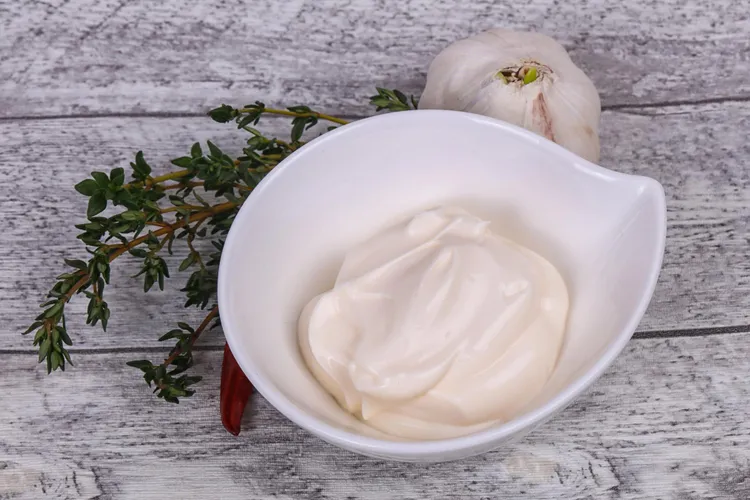
At home: serve on a board or a plate lined with paper, with wedges of lemon alongside. A simple tomato sauce for dipping - passata seasoned with garlic, olive oil, and basil, simmered for 15 minutes - is traditional for the ragù version. The mozzarella version needs nothing. The mushroom truffle version is best with a small pot of aioli.
For a full Sicilian street food spread: Arancini alongside Spanish-style patatas bravas (the potato and the rice, the fried and the fried) and a simple green salad is the kind of table that feels like a Mediterranean market and takes 90 minutes to prepare.
Make-Ahead and Storage
The risotto base: Make up to 2 days ahead. Refrigerate, covered with cling film pressed against the surface. Cold risotto shapes more easily than room-temperature risotto.
The fillings: All three fillings can be made up to 3 days ahead and refrigerated. The ragù actually improves after 24 hours as the flavors develop.
Shaped and coated, unfried: Refrigerate for up to 24 hours on a tray, uncovered - the coating dries slightly, which produces a crispier crust. Or freeze on the tray until solid, then transfer to a zip-lock bag. Fry directly from frozen at 165°C for 7-8 minutes (slightly lower temp and longer time to ensure the centre heats through).
Fried arancini: Best eaten immediately. Keep warm in a 100°C oven on a wire rack for up to 20 minutes without significant quality loss. Do not reheat by microwaving - the crust becomes soft and the interior unevenly reheated. Reheat in a 180°C oven for 8-10 minutes to restore some crunch.
Variations
Arancini al Nero di Seppia (Squid Ink)
Add 2 sachets of squid ink to the risotto base in place of saffron. The risotto turns a dramatic, glossy black. Fill with a simple mixture of sautéed squid, garlic, and parsley. The visual impact - a jet black ball with a golden crust - is extraordinary. Serve with a squeeze of lemon and nothing else.
Arancini with Nduja and Mozzarella
Replace the ham in the mozzarella filling with a generous teaspoon of nduja - the fiery, spreadable Calabrian sausage. The nduja melts during frying and combines with the mozzarella into a spicy, intensely savory filling that is arguably the best of all.
Mini Arancini (Arancine Baby)
Make 40g balls instead of 80-90g. These are party-sized - two bites each - and cook in 3 minutes rather than 5. Serve at a gathering on a board with the dipping sauces. The coating-to-filling ratio is higher than in the large version, which means more crust per bite - some people prefer this.
Pro Tips
- Cold risotto shapes better. If the risotto is still warm, it sticks to your hands and doesn't hold its shape. Chill thoroughly before shaping - this is the single most useful practical tip in this recipe.
- Dampen your hands between each ball. Dry hands stick to the rice; very wet hands make the surface slippery. Slightly damp - a quick splash and a gentle shake - is the correct level.
- Press the breadcrumbs on firmly. Don't just roll the arancino through the crumbs - press them actively onto every surface. Loose crumbs that aren't adhered fall off in the oil and burn, darkening the oil and leaving bare patches on the arancino.
- Chill the coated arancini before frying. This single step reduces cracking significantly. The chilled rice expands less rapidly when it meets the hot oil, and the set coating adheres better under thermal stress.
- Fry one test arancino first. Before committing all twelve to the oil, fry one. Check the color (should be deep golden in 4-5 minutes), check that the coating isn't cracking, check that the interior is hot all the way through. Adjust temperature if needed before frying the rest.
Common Mistake: Overfilling The most frequent reason arancini fall apart or leak during frying is too much filling. The filling expands when hot - steam from the mozzarella, bubbling from the ragù - and if the rice casing is thin or the filling is too generous, it finds a weak point and breaks through. A heaped teaspoon of filling per large arancino is the correct amount. It will seem too little when you're shaping. It will be exactly right when you eat it.
FAQ
Q: Can I use leftover risotto to make arancini?
Yes - and it's one of the best uses of leftover risotto. Any well-made risotto (cooked with stock, finished with butter and parmesan) works as an arancini base. The main adjustment: leftover risotto is usually stickier and more compact than freshly made. Add a tablespoon of beaten egg to bind it if needed. Do not use risotto that was made with very wet add-ins (e.g., seafood in sauce) - excess moisture makes the arancini difficult to shape.
Q: Can I bake arancini instead of frying?
Technically yes - spray with oil and bake at 200°C for 25 minutes, turning halfway. The result is noticeably different: the crust is drier and less even than a fried crust, and the color is pale gold rather than deep golden. Baked arancini are acceptable for a lower-fat version but are genuinely inferior to fried. If frying is the concern, the frying guide addresses every anxiety about the process.
Q: My arancini are cracking during frying. What's wrong?
Four common causes: (1) The risotto wasn't chilled thoroughly before shaping. (2) The filling was too wet or too generous. (3) The coated arancini weren't chilled before frying. (4) The oil was too hot (above 180°C), causing the exterior to set too rapidly before the interior has expanded. Check all four variables for the next batch.
Q: What's the difference between carnaroli and arborio rice?
Both are Italian short-grain rice varieties high in starch, suitable for risotto. Carnaroli has a firmer grain that holds its structure better during long cooking and during the second thermal event of frying - it is the professional risotto maker's choice. Arborio is more widely available, slightly softer, and produces an excellent arancino. Use carnaroli if you can find it; arborio if you can't.
Q: Can the vegan mushroom arancini be made completely dairy-free?
Yes - replace the parmesan in the risotto base with 3 tbsp of nutritional yeast and an extra tablespoon of good olive oil. The mantecatura step still works with olive oil alone (add the oil cold, off the heat, and stir vigorously). The mushroom truffle filling is already vegan. The coating is egg-based - for a vegan coating, use aquafaba (the liquid from a tin of chickpeas) in place of beaten egg. It works well.
🔗 Continue Exploring
- How to Fry Like a Street Food Vendor: The Complete Home Guide
- Spanish Street Food: 5 Recipes from the Markets of Madrid
- Brazilian Coxinha: The Teardrop Croquette Everyone's Obsessed With
- The Street Food Sauce Bible: 15 Sauces from 15 Countries - Romesco
- Greek Souvlaki at Home: The Complete Guide
- 10 Street Food Dishes You Can Make in 30 Minutes or Less
- Global Street Food at Home: The Ultimate Guide
Latest