How to Make Socca: The Chickpea Flatbread of the French Riviera
Five ingredients. Twenty minutes. The flatbread that the French Riviera has been making for a thousand years - and that deserves a place in every kitchen.
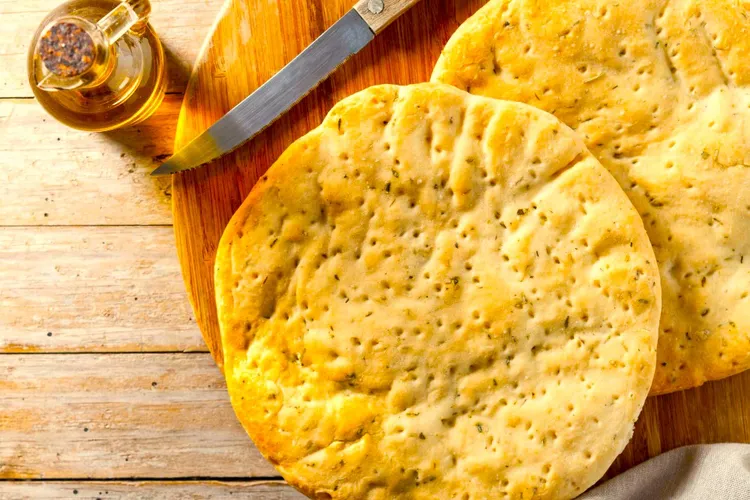
There is a street food that the city of Nice has been eating since the Middle Ages, that is sold from stalls in the old town every morning, that costs almost nothing to make, that is naturally vegan and gluten-free without trying to be either of those things, and that most people outside of southern France and northern Italy have never heard of.
It is called socca. And it is one of the best things in this collection.
Socca is a flatbread made from chickpea flour (also known as gram flour or besan), water, olive oil, and salt - mixed into a thin batter, rested briefly, then cooked under the highest heat you can achieve until the surface blisters and chars in irregular dark patches and the edges crisp into something between a cracker and a pancake. The texture is simultaneously crispy at the edges, slightly soft and almost custardy in the centre, and deeply savory throughout - the earthy, slightly nutty flavor of chickpea flour amplified by olive oil and charred at the surface into something that tastes genuinely complex from four ingredients.
In Nice, it is sold from wood-fired ovens on enormous copper pans, cut into irregular pieces with a palette knife, scattered with black pepper, and eaten standing up, burning your fingers, from paper. This is the correct way to eat it. The home version - made under a grill in a cast iron pan - produces a result that is genuinely close to the original, and the experience of eating it hot from the pan, torn rather than cut, is one of the most straightforward pleasures in this entire collection.
📖 The chickpea flour connection: Socca and the South Asian Pani Puri and Pakistani Chaat preparations all draw on chickpea flour (besan/gram flour) as a foundational ingredient - a reminder that the chickpea has been one of the great unifying ingredients across Mediterranean and South Asian cooking for millennia. The same flour, three completely different traditions.
The History: From Genoa to Nice and Beyond
Socca is the Niçois name. The same flatbread appears across the Ligurian coast of Italy - in Genoa it is called farinata, in Savona it is fainâ, in Livorno it is cecina, in Tuscany it is torta di ceci. All are made from chickpea flour, water, olive oil, and salt. All are cooked at high heat. The minor variations - the ratio of water to flour, the thickness, the specific toppings - are regional, not fundamental.
The dish almost certainly arrived in Nice via Genoa, which historically controlled the city and whose culinary influence runs through Niçois cooking in multiple dishes. Some food historians trace socca back further still - to the Roman Empire, where chickpea flatbreads (known as lagana) were a common food across the Mediterranean. Whether or not that specific lineage is direct, the principle of a simple chickpea flour flatbread cooked on a hot surface is one of the oldest and most widespread culinary ideas in the world.
What makes socca specifically Niçois is the wood-fired copper pan tradition, the specific ratio of ingredients (the Niçois version tends to be slightly thinner and crispier than Genoese farinata), and the cultural context - the morning market, the street stall, the pepper scattered from a pepper mill directly onto the surface, the no-plates, no-cutlery etiquette of eating it fresh from the pan.
Why Chickpea Flour Behaves This Way
Understanding what chickpea flour does in the batter makes the recipe easier to execute correctly.
Chickpea flour is higher in protein than wheat flour - approximately 20% protein vs. 10–12% in plain wheat flour. This high protein content means the batter sets more firmly under heat, creating a cohesive structure without any egg or leavening. It also means the surface Maillard-browns differently from wheat - the proteins char at a lower temperature and produce a more complex, slightly bitter-edged char that is characteristic of socca and completely distinct from the char of a wheat flatbread.
Chickpea flour absorbs water slowly. This is why the batter rests - 30 minutes (or up to overnight) allows the flour to fully hydrate, producing a smoother batter with better structure. Batter cooked immediately after mixing is coarser in texture and more prone to cracking.
The olive oil is not optional. In a batter with no egg and no dairy fat, the olive oil is the fat that carries flavor, prevents sticking, and creates the slightly lacquered surface of a properly made socca. It must be present in the batter and generously applied to the pan before cooking.
Ingredients
Makes 2 large soccas (serves 4 as a starter or side) | Ready in 20 minutes + 30 minutes resting
The Batter
- 200g chickpea flour (also labeled gram flour or besan - they are the same ingredient) - sifted
- 400ml cold water
- 4 tbsp extra virgin olive oil - 3 tbsp in the batter, 1 tbsp for the pan
- ½ tsp fine sea salt
- Optional: ½ tsp ground cumin - a very small amount adds depth without making the socca taste spiced; traditional in some Niçois versions
- Optional: 2 sprigs fresh rosemary, leaves stripped and finely chopped - added to the batter for an herbal version
For Serving
- Coarse black pepper - ground directly and generously over the hot socca; this is non-optional
- Flaky sea salt - a light extra scatter after cooking
- Extra virgin olive oil - a final drizzle over the surface
Equipment
Essential:
- Cast iron skillet or cast iron pan (25-30cm diameter) - the material is important. Cast iron retains heat at the temperatures needed for socca and distributes it more evenly than stainless steel or non-stick. A cast iron skillet preheated under the grill gets close to the temperature of a wood-fired oven - the nearest home approximation.
- A grill (broiler) that heats to maximum - socca needs the highest heat you can produce. Gas grill: maximum setting, shelf positioned close to the element. Electric grill: maximum setting, same shelf position.
If you don't have a cast iron skillet: A heavy stainless steel pan can work under the grill. Non-stick pans should not be used at these temperatures - the coating degrades above 200°C and will release potentially harmful compounds.
Alternative - stovetop only: Socca can be made in a well-seasoned cast iron pan on the hob, covered with a lid for the first 2 minutes (to trap steam and cook the top), then uncovered for a further 2 minutes. The surface won't char as dramatically as under the grill, but the result is still very good.
Method
Step 1: Make the batter (5 minutes + 30 minutes resting)
Sift the chickpea flour into a large bowl. Add the salt (and cumin if using). Make a well in the centre. Add the water gradually, whisking as you go to prevent lumps forming. The batter should be completely smooth and the consistency of single cream - thin enough to pour freely, thick enough to coat the back of a spoon lightly.
Add 3 tbsp of olive oil and whisk to combine. If using rosemary, stir it in now.
Cover the bowl and rest at room temperature for 30 minutes minimum. The batter will thicken slightly as the flour hydrates. If resting overnight in the fridge, bring back to room temperature for 15 minutes before cooking and whisk once more - the batter may have settled.
Step 2: Preheat the pan and grill (10 minutes)
Position the oven shelf so the top of the cast iron pan will be approximately 8-10cm from the grill element. Preheat the grill to maximum.
Place the cast iron pan under the hot grill for 8-10 minutes until it is extremely hot - hot enough that a drop of water flicked onto the surface evaporates instantly. This preheating is essential: a cold pan produces a socca that sticks and cooks unevenly.
Step 3: Add oil and pour the batter
Carefully remove the hot pan from the grill (use oven gloves - it will be very hot). Add 1 tbsp of olive oil and swirl to coat the base completely. The oil should shimmer and begin to smoke immediately.
Pour enough batter to cover the base of the pan in a thin, even layer - approximately 5-7mm deep. It will sizzle immediately on contact with the hot pan. Tilt the pan to ensure the batter reaches the edges evenly.
Step 4: Cook under the grill (5-7 minutes)
Return the pan to the grill immediately. Cook without touching for 5-7 minutes. The socca is ready when:
- The surface is set and no longer liquid or shiny in the centre
- Dark blistered patches have appeared - irregular, dark brown to almost black - across the surface
- The edges have pulled away from the sides of the pan slightly and are visibly crispy
- The surface smells nutty and slightly charred - not burnt, but toasted
Do not rush this. The char is not a flaw - it is the entire point. A socca without charred patches is undercooked; a completely flat, evenly golden surface means the heat was too low or the cooking time too short.
Step 5: Rest briefly and serve
Remove from the grill. Allow to rest for 60-90 seconds - just long enough for the surface to set completely and for the temperature to be bearable to eat.
Cut into irregular pieces with a palette knife or a metal spatula - torn pieces rather than neat slices are more authentic and more visually appealing. Grind generous black pepper directly over the surface. Scatter a little flaky salt. Drizzle with a thread of olive oil.
Eat immediately. Socca cools and softens relatively quickly - the window of ideal crispness at the edges is about 8 minutes. Make the second socca while people are eating the first.
Getting the Char Right: The Most Important Variable
The char on socca's surface is a source of anxiety for first-time makers who worry they've burnt it. The distinction is important:
Correct char: Dark brown to almost black spots, irregular in distribution, covering perhaps 30-40% of the surface. These spots taste nutty, slightly bitter, and deeply savory - the Maillard and pyrolysis reactions producing flavor compounds that the uncharred surface doesn't have. The charred patches are the best part.
Actual burning: If the entire surface is uniformly black and smells acrid rather than nutty, it has gone too far. The difference in smell is unmistakable: correct char smells like toasted nuts and caramelised onion; actual burning smells sharp, sulfurous, and unpleasant.
Why the char happens unevenly: The batter bubbles slightly under the intense grill heat, creating high points (which char) and lower points (which stay softer). This unevenness is natural and correct. Attempting to produce a perfectly even surface by managing the heat down will produce a pale, less flavourful socca.
Toppings and Variations
The traditional serving - black pepper, salt, olive oil - is also the best. But socca is an extraordinary base for other flavors, and its savory, slightly bitter character pairs well with ingredients that have sweetness, acidity, or richness to contrast it.
Classic Niçoise
Black pepper, flaky salt, olive oil. Nothing else. Eaten hot, standing up, from paper.
Caramelised Onion and Thyme
Slowly caramelise 3 large onions in olive oil for 40 minutes until deeply golden. Spread over the hot socca immediately after it comes out of the grill. Scatter fresh thyme leaves. A 40-minute onion investment produces a topping that is extraordinary against the charred chickpea base.
Black Olive Tapenade and Cherry Tomato
Spread a tablespoon of good tapenade across the surface of the hot socca. Halve ripe cherry tomatoes and press into the surface. The saltiness of the tapenade and the acidity of the tomatoes against the earthy socca is the most Mediterranean thing in this collection.
Za'atar and Lemon
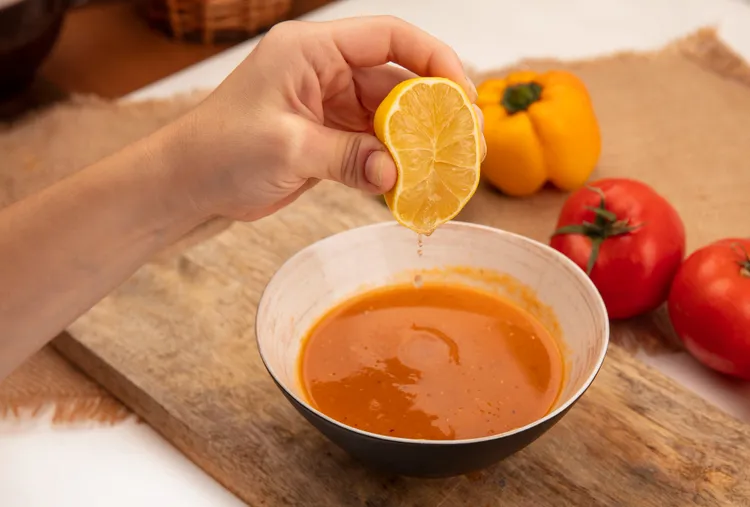
Scatter 1 tbsp of za'atar spice blend (dried thyme, sumac, sesame seeds, dried oregano - the Middle Eastern spice mix available at specialist and Middle Eastern grocers) over the hot surface. Squeeze a wedge of lemon over everything. The sumac's fruity acidity and the sesame's nuttiness are natural companions to chickpea flour.
Rosemary and Sea Salt (Farinata Style)
Add 1 tbsp of finely chopped fresh rosemary to the batter. After cooking, scatter flaky salt and an extra thread of olive oil. This is the Genoese farinata version - slightly thicker than socca, more herb-forward, extraordinary with a glass of Vermentino.
Cheese and Honey
Immediately after the socca comes out of the grill, scatter 60g of crumbled soft goat's cheese over the surface. The residual heat partially melts it. Drizzle with a small amount of good honey - the combination of earthy chickpea, sharp cheese, and sweet honey is unusual and completely delicious.
Serving Context
Socca belongs in three contexts at home:
As a starter or aperitivo: Cut into pieces on a board, with drinks, before a meal. The most natural format - it was designed to be eaten standing up, in pieces, informally.
As part of a street food spread: Alongside patatas bravas and pimientos de Padrón for a Mediterranean mezze. The chickpea flatbread alongside the blistered peppers and the crispy potatoes - a spread that covers southern Europe without a recipe from the same country twice.
As a weeknight base: Topped with caramelised onions, tapenade, or za'atar and eaten as a simple dinner with a green salad. The socca itself is ready in 20 minutes; the caramelised onion topping requires 40 minutes of occasional stirring but almost no active attention. Total time: 45 minutes for a genuinely satisfying dinner.
Storing and Reheating
Socca is best eaten immediately - the window of peak crispness is narrow. That said:
Storage: Cool completely on a wire rack. Store in an airtight container at room temperature for up to 2 days, or refrigerated for 3 days.
Reheating: The oven or the hob, not the microwave. Place directly on an oven rack at 200°C for 5 minutes - this restores most of the crispness. Alternatively, a dry cast iron pan over medium-high heat for 2 minutes per side. The microwave makes it soft and slightly gummy - avoid.
The batter: Keeps refrigerated in a sealed container for up to 24 hours. Whisk before using; add a tablespoon of water if it has thickened too much.
Troubleshooting
The socca is sticking to the pan. The pan wasn't hot enough before the oil and batter were added, or insufficient oil was used. The preheating step - 8-10 minutes under the grill - is not optional. A properly preheated, well-oiled cast iron pan is non-stick for socca purposes.
The surface is set but pale - no char. The grill isn't hot enough, or the shelf is too far from the element. Move the shelf closer (5-8cm from the element) and ensure the grill is fully preheated before the pan goes in.
The batter is lumpy. The chickpea flour was added to the water too quickly and formed lumps before it could be whisked smooth. Whisk the flour into the water gradually, not the water into the flour. If lumps have formed, strain the batter through a fine sieve.
The socca is too thick and doughy in the centre. Too much batter in the pan, or the pan isn't wide enough. The batter should be no more than 7mm deep - a thin layer that sets through completely. Divide the batter into more portions and make smaller, thinner soccas.
The edges are dry and hard rather than crispy. The cooking time was too long, or the heat too low (causing slow cooking rather than rapid charring). Reduce cooking time and ensure maximum grill heat.
Pro Tips
- Rest the batter. This one instruction makes the difference between a slightly gritty, uneven socca and a smooth, cohesive one. Thirty minutes is the minimum; overnight produces the smoothest result.
- Preheat the cast iron pan for the full 8-10 minutes. A pan that isn't thoroughly preheated sticks, cooks unevenly, and doesn't produce the char. Time the preheating - it's longer than feels necessary.
- Make the second socca while people eat the first. Socca is at its best immediately. Making one large batch and serving cold or warm socca produces a noticeably inferior experience to two smaller batches served in succession.
- Be generous with black pepper. The black pepper on socca is not seasoning - it is a flavor component. Two or three good twists of a mill directly over the hot surface. More than you think.
- Taste the batter before cooking. It should be well-salted - slightly more so than you'd expect for a flatbread, because the cooking concentrates the saltiness slightly at the surface but leaves the interior more muted. Adjust before the batter goes in the pan.
Common Mistake: Using a Non-Stick Pan Non-stick coatings degrade above 200°C, releasing compounds that are both harmful and that ruin the flavor of the socca. Socca requires temperatures well above this - close to 250-280°C at the surface of the cast iron. A well-seasoned cast iron pan with olive oil is naturally non-stick at these temperatures and is the only correct vessel for this recipe.
FAQ
Q: Is chickpea flour the same as gram flour and besan?
Yes - all three names refer to the same ingredient: flour made from ground dried chickpeas. In South Asian cooking it is called besan; in French and Italian cooking it is called chickpea flour or farine de pois chiche; in UK supermarkets it is often labeled gram flour. They are interchangeable in this recipe.
Q: Can I make socca without a grill?
Yes - stovetop only works well. Heat a well-seasoned cast iron pan over high heat until smoking. Add oil, pour in the batter, cover with a lid for 3 minutes (the steam cooks the top), then remove the lid and cook for a further 2 minutes until the edges are set and crispy. The surface will be less dramatically charred than the grill version, but the flavor is very good.
Q: Is socca gluten-free?
Yes - chickpea flour contains no gluten. Socca is naturally gluten-free with no modifications required. It is also naturally vegan, soy-free, and nut-free. It is one of the most allergen-friendly recipes in this collection.
Q: What's the difference between socca and farinata?
The same dish with minor regional variations. Niçois socca tends to be thinner and crispier; Genoese farinata tends to be slightly thicker, with more rosemary, and is sometimes topped with soft cheese. Both use the same four-ingredient batter. The cooking method is identical. The experience is very similar.
Q: Can the batter be made ahead for a party?
Yes - make the batter up to 24 hours ahead and refrigerate. The rested batter is actually better than fresh. Bring to room temperature for 15 minutes before cooking and whisk once to recombine. This makes socca one of the most practical party starters in this collection - all the prep is done the day before; the cooking is 7 minutes per batch at the table.
🔗 Continue Exploring
- Spanish Street Food: 5 Recipes from the Markets of Madrid
- Greek Souvlaki at Home: The Complete Guide
- Indian Pani Puri: The Street Food That Explodes in Your Mouth - the chickpea flour connection
- Pakistani Chaat Masala: The Spice Blend That Makes Everything Better
- South Asian Street Food Pantry - besan/gram flour guide
- The Street Food Sauce Bible: 15 Sauces from 15 Countries - Romesco, Tapenade
- 10 Street Food Dishes You Can Make in 30 Minutes or Less
- Global Street Food at Home: The Ultimate Guide
Latest