How to Bloom Spices for Bigger, Deeper Flavor
Blooming spices is one of the simplest ways to transform an ordinary dish into something bold, aromatic, and full of layered flavor. With just a bit of heat and a splash of fat, you can unlock the hidden potential inside your spices and take your cooking to the next level. Once you learn this technique, you’ll never go back to adding spices straight from the jar again.
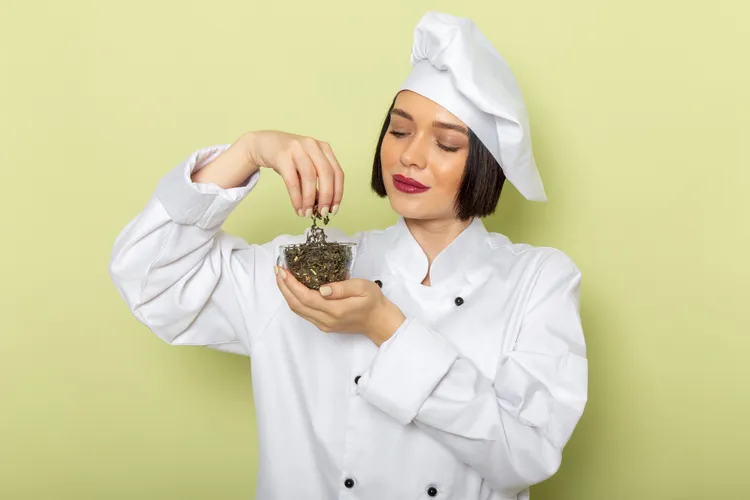
Blooming spices is one of those small, almost effortless cooking techniques that delivers an outsized impact - transforming flat, muted dishes into vibrant, aromatic meals bursting with depth. If you’ve ever wondered why restaurant curries taste richer, why Middle Eastern rice glows with warm fragrance, or why Mexican mole has that unmistakable layered flavor, the answer often comes down to one thing: properly bloomed spices. Whether you’re working with whole spices, ground spices, or spice blends, blooming is how you unlock their essential oils, intensify their aroma, and infuse dishes with bigger, deeper flavor from the very first step. And the best part? It only takes seconds to master.
At its core, blooming spices means heating them briefly in oil, butter, or another fat to activate their volatile compounds - the aromatic molecules responsible for flavor. When spices hit warm fat, they release these compounds far more efficiently than they would in water or dry air. This is why adding spices at the beginning of a recipe often produces a richer taste than sprinkling them in at the end. Think of it as coaxing open the spice's natural perfume, allowing it to disperse evenly throughout your dish. Without blooming, even the freshest spices can taste dull, raw, or one-dimensional.
In South Asian cooking, this technique is known as tadka or tempering, where whole spices like cumin seeds, mustard seeds, cardamom pods, and dried chilies are briefly fried in oil until they crackle and release their fragrance. This seasoned oil becomes the flavor foundation for dals, curries, and vegetable dishes. If you've ever seen tiny bubbles forming around spices in a pan and smelled that irresistible wave of warm aroma - that’s blooming in action. The key is timing: spices should never burn. They’re ready the moment their fragrance intensifies and the kitchen fills with warm, toasty notes.
Blooming works equally well with ground spices, which can scorch more easily but also release flavor rapidly. Adding paprika, turmeric, curry powder, chili powder, or cinnamon directly to a hot pan with oil allows them to dissolve into the fat, preventing that chalky, grainy texture you sometimes get when ground spices are tossed into liquid too late. This technique is often used in Latin American and Middle Eastern cooking, where dishes like sofrito, birria, and shawarma seasoning rely on spices that bloom early to build a deep, rich backbone of flavor.
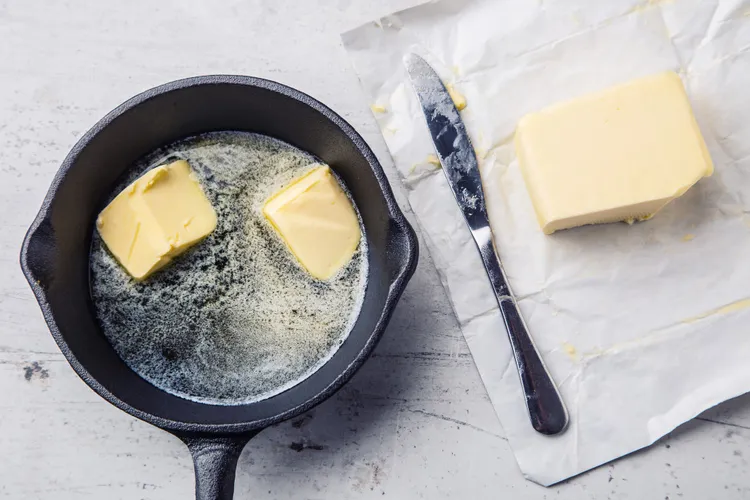
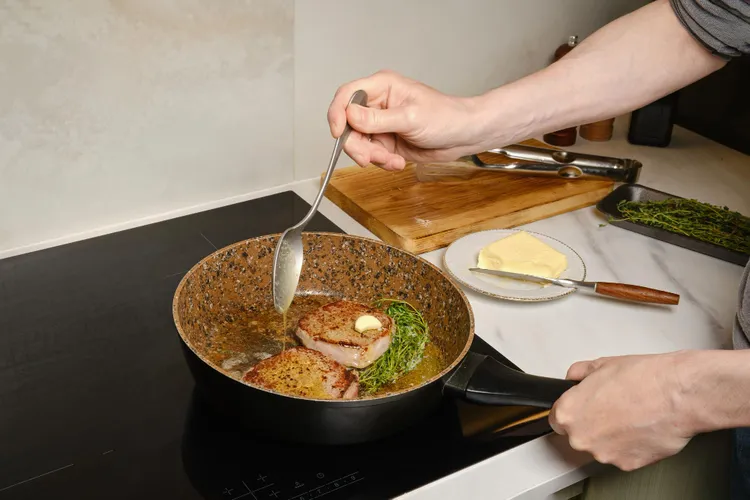
Another powerful variation is blooming spices in butter, a technique common in French, Persian, and North African cuisine. Melted butter - or ghee, which is even better due to its higher smoke point - acts as a luxurious base that carries spice flavor beautifully. Imagine blooming saffron in warm butter before adding it to rice, or toasting ras el hanout in ghee before stirring it into couscous. The result is a fragrant, layered dish that feels instantly more complex.
Water-based blooming is used too, especially for delicate spices like saffron. By steeping saffron threads in warm water or milk, the spice releases both color and aroma before it ever hits the pan. This method is commonly seen in Indian biryanis, Persian stews, and Mediterranean desserts. Though it’s a gentler approach than oil blooming, the principle is the same: activate the spice before introducing it to the dish.
One of the most practical reasons to bloom spices is consistency. When you add spices directly to liquid later in the cooking process, they often clump or stay suspended awkwardly in the dish. Blooming distributes flavor evenly from the start, infusing the fat that coats vegetables, meat, grains, or legumes. This is why spiced rice dishes - like pilaf, biryani, and curry rice - taste more aromatic when the spices are bloomed before the grains are added.
Home cooks sometimes worry that blooming spices means using more oil, but the truth is: you only need a small amount. Even a teaspoon of oil can bloom a full tablespoon of spices. The idea isn’t deep-frying but waking up the flavor. And while you should keep the heat medium or medium-low, the process is fast - usually under one minute. If you hear popping, see sizzling, and smell a wave of fragrance, your spices are ready. If they start to darken too quickly, remove the pan from heat immediately.
Blooming also helps you develop layered flavor, especially in soups, sauces, and stews. Start by blooming your spices, then sauté onions, garlic, or ginger in that same infused fat. The aromatics soak up the spice flavor, creating a base that’s warm, nuanced, and incredibly hard to replicate any other way. This is why so many traditional dishes begin with spices hitting the pan before anything else.
Once you get the hang of blooming spices, you’ll notice an instant difference in your cooking. Curries become warmer and fuller. Stews taste richer from the very first spoonful. Rice dishes turn aromatic and beautifully seasoned. Even simple vegetables transform with just a teaspoon of bloomed cumin or paprika. It’s one of the easiest ways to elevate your home cooking without buying new tools or ingredients - you’re simply using what you already have more effectively.
In a world full of shortcuts, blooming spices is a technique worth slowing down for. It takes just a few seconds but delivers layers of flavor that taste like they took hours to build. If you’re looking to cook more confidently, boldly, and deliciously, start with this simple step - and watch your dishes transform with every aromatic sizzle.
Latest