How to Cook Without Meal Prep Burnout
Meal prep is supposed to make life easier - but for many people, it does the opposite. Endless containers, repetitive meals, and rigid schedules can turn cooking into a chore instead of a support. This guide shows how to cook in a way that actually works long-term - without meal prep burnout.

If you’ve ever gone all-in on meal prep only to abandon it weeks later, you’re not failing.
You’re responding to a system that often:
-
Demands too much upfront effort
-
Ignores energy fluctuations
-
Assumes every week looks the same
Sustainable cooking doesn’t require perfection. It requires flexibility, simplicity, and self-trust.
Why Traditional Meal Prep Leads to Burnout
Classic meal prep often looks like:
-
Hours of cooking on one day
-
Identical meals repeated all week
-
Strict schedules with no room for change
This approach fails because it doesn’t account for:
-
Mood shifts
-
Appetite changes
-
Unexpected plans
-
Energy dips
Burnout isn’t a lack of discipline - it’s a mismatch between life and strategy.
Redefine What “Meal Prep” Means
Meal prep doesn’t have to mean pre-cooked meals in identical containers.
Instead, think of it as:
-
Ingredient prep, not full meals
-
Options, not obligations
-
Support, not structure
This mindset shift alone reduces pressure.
Prep Components, Not Full Meals
Instead of cooking entire meals ahead of time, prep building blocks.
Examples:
-
Cooked grains
-
Roasted vegetables
-
Washed greens
-
Boiled eggs
These pieces can be mixed and matched depending on what you want that day.
Cook Once, Use Many Ways
One cooking session can support multiple meals.
For example:
-
Roasted vegetables become salad toppings, wraps, or sides
-
Cooked rice becomes bowls, stir-fries, or soups
-
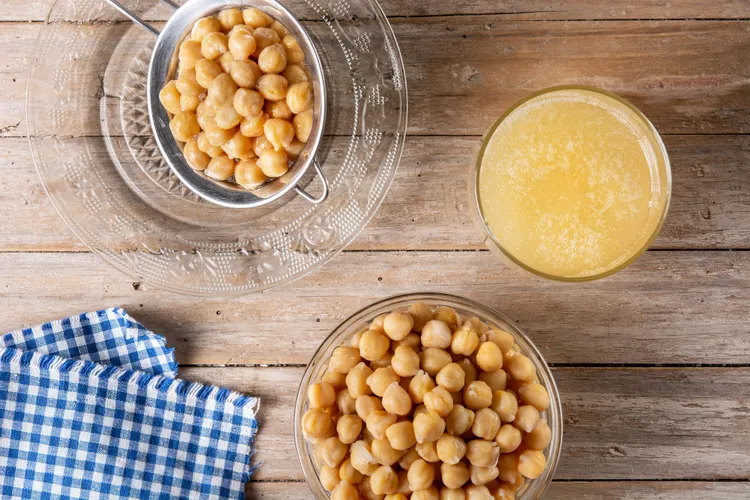
Beans work in salads, stews, or spreads
This prevents boredom without extra work.
Let Repetition Work For You
Burnout often comes from trying to reinvent meals every day.
Repetition can be helpful when it’s:
-
Chosen, not forced
-
Temporary, not permanent
Eating the same breakfast or lunch for a few days is efficient, not lazy.
Lower the Bar for What “Cooking” Means
Not every meal needs to be homemade from scratch.
Cooking can include:
-
Store-bought sauces
-
Frozen vegetables
-
Rotisserie chicken
-
Pre-cooked grains
Convenience foods are tools - not shortcuts.
Build a “Fallback Meal” List
Decision fatigue is a huge contributor to burnout.
Create a short list of meals you can make:
-
When tired
-
When busy
-
When motivation is low
These meals should be easy, familiar, and comforting.
Respect Your Energy Levels
Some days are:
-
High-energy
-
Low-energy
-
No-energy
Plan accordingly.
On low-energy days:
-
Assemble instead of cook
-
Reheat instead of prepare
-
Eat simple, balanced meals
Sustainable cooking adapts to your energy - not the other way around.
Avoid the “All or Nothing” Trap
You don’t need to:
-
Prep everything
-
Prep perfectly
-
Prep every week
Partial prep still counts. Cooking one pot of soup or roasting one tray of vegetables is enough.
Allow Your Appetite to Change
Rigid meal plans ignore real hunger cues.
Burnout often happens when:
-
You force yourself to eat prepped meals you don’t want
-
You ignore cravings or fullness
Flexible cooking allows you to adjust without guilt.
Rotate Themes Instead of Recipes
Instead of planning exact meals, plan themes.
Examples:
-
Rice bowls
-
Soups
-
Pasta nights
-
Wraps or sandwiches
Themes provide structure without rigidity.
Make Cleanup Easier Than Cooking
Burnout isn’t just about cooking - it’s about dishes.
Reduce cleanup by:
-
Using one-pan meals
-
Cooking in batches
-
Choosing dishwasher-friendly tools
Less cleanup = more willingness to cook again.
Sustainable Cooking Supports Mental Health
Cooking should support your life, not dominate it.
When food systems are gentle:
-
Stress decreases
-
Consistency improves
-
Eating feels calmer
That’s the goal.
Signs Your Cooking Routine Is Working
You’ll know it’s sustainable when:
-
You don’t dread cooking
-
You eat regularly
-
You feel flexible, not trapped
-
You don’t feel guilty when plans change
That’s success.
Cooking Should Make Life Easier
You don’t need extreme meal prep to eat well.
You need:
-
Simple systems
-
Flexible expectations
-
Permission to adjust
When cooking works with your life instead of against it, burnout fades - and food becomes supportive again.
Latest