How to Make Perfect Choux Pastry for Éclairs and Cream Puffs
Choux pastry may look delicate and intimidating, but once you understand how it works, it becomes one of the most dependable doughs in the baking world. With just a few ingredients and the right technique, you can create bakery-style éclairs and cream puffs that rise beautifully, stay crisp, and fill effortlessly. Mastering choux is all about understanding moisture, heat, and texture - and once you do, you’ll be making flawless pastries with total confidence.
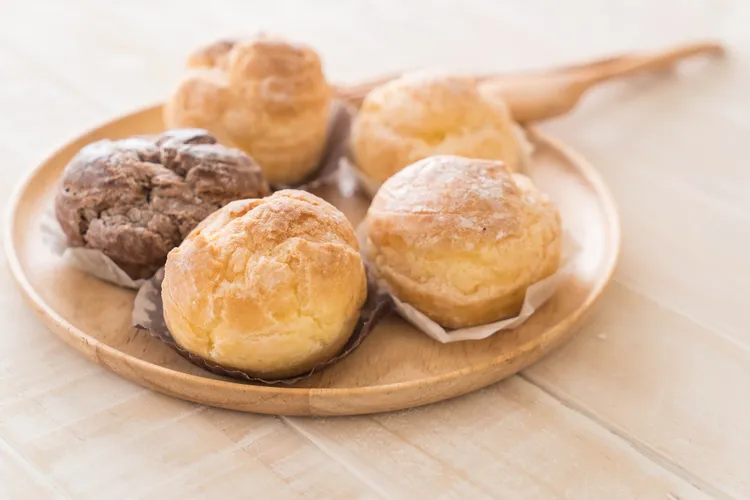
Choux pastry may look elegant and intimidating, but once you understand its unique structure and behavior, it becomes one of the most reliable and rewarding doughs you’ll ever make. Those golden, airy shells of éclairs and cream puffs depend on a magical combination of steam, starch, and technique - and when you get it right, choux pastry puffs effortlessly in the oven, creating hollow centers ready for silky pastry cream, whipped cream, or any filling you love. What seems delicate is actually wonderfully sturdy when handled with care, and mastering it opens the door to a world of bakery-level desserts right from your own kitchen. This guide breaks the process down in a smooth, easy-style narrative that’s both educational and easy to follow, helping you nail perfect choux pastry every single time.
At its core, choux pastry is unlike any other dough because it’s cooked twice: once on the stovetop and again in the oven. This first cooking step - known as making the panade - is essential for pre-gelatinizing the flour so it can absorb more water and create the right texture. Water content is everything in choux pastry because steam is what makes it puff. When the dough hits the heat of the oven, the moisture trapped inside rapidly expands, inflating the pastry like a balloon. Later, the dough sets into its crisp, golden structure. This is why precision matters: too much moisture, and your choux will collapse; too little, and the pastry won’t rise enough to form that beautiful hollow center.
The panade begins by heating water, butter, and a pinch of salt (and sometimes sugar, depending on whether you’re making sweet or savory choux). Once the butter melts and the mixture reaches a gentle boil, you add flour all at once and stir vigorously. At first it will look like a loose mass, then quickly tighten into a smooth paste that pulls away cleanly from the pan. This transformation is critical - it activates the starches and sets you up for choux pastry with strength and lift. Keep stirring for a minute or two until a thin film forms on the bottom of the pot; that’s your cue that the moisture level is just right.
Next comes the step that separates successful choux pastry from disappointing ones: adding the eggs. Eggs create structure, shine, and elasticity. But adding them too quickly - or too many - can cause the dough to become runny and unable to rise. The secret is to add eggs gradually, beating well after each addition, and paying attention to texture. You’re looking for a smooth, glossy dough that forms a “V” shape or ribbon when it falls from the spatula - not too stiff, not too loose. This precise consistency allows choux pastry to expand in the oven but still hold its shape, creating pastries that puff tall instead of spreading flat.
Piping the dough also plays a role in success. For éclairs, use a large round or star tip and pipe long, even lines, applying steady pressure. For cream puffs, hold the piping bag upright and let the dough mound onto itself. To avoid pointy tops that burn, wet your finger and gently flatten the peaks. Another essential detail is encouraging the oven to do its job. Choux pastry thrives in a hot, steamy environment at first - heat helps set the outer shell while steam inflates the interior. Avoid opening the oven door during the early stages of baking, or the sudden drop in temperature will deflate the fragile puffs. Once they’re golden and fully risen, lower the heat slightly to dry them out completely. A well-dried shell is key to preventing sogginess once filled.
Troubleshooting is all part of perfecting your craft. If your choux pastry doesn’t rise, the dough may have been too wet or undercooked during the panade stage. If éclairs crack, the oven might have been too hot, causing the exterior to set before the pastry could expand evenly. If cream puffs collapse after baking, they likely needed more time to dry out or a small vent to release excess steam. A quick prick with a toothpick near the end of baking can let steam escape, helping them stay crisp and hollow.
When everything comes together - the right consistency, the right technique, the right bake - you get pastries with crisp exteriors, beautifully hollow interiors, and enough structural integrity to cradle luscious pastry cream, chantilly, mousse, or savory fillings like chicken salad or smoked salmon mousse. Choux pastry’s versatility is part of its charm: éclairs, profiteroles, gougères, Paris-Brest, churros, and beignets all start with this same simple dough.
Mastering choux pastry is about understanding the balance of moisture, heat, and timing. Once you get comfortable with the feel of the dough and trust the process, you’ll be piping éclairs and cream puffs like a pro, creating desserts that look as stunning as they taste. It’s elegant baking made accessible - and it all begins with learning how to coax flour, butter, and eggs into the delicate, airy shells that make choux pastry unforgettable.
Latest