How to Plan Christmas Meals Without Burning Out
Planning Christmas meals should feel festive, not exhausting. With smart preparation, realistic menus, and a few stress-saving strategies, you can host a joyful holiday without burning yourself out in the kitchen. The secret lies in planning ahead and letting go of unnecessary pressure.

Christmas meals are meant to be joyful, comforting, and memorable - but for the person planning and cooking them, they can quickly become overwhelming. Between menu decisions, grocery shopping, timing multiple dishes, and managing expectations, holiday cooking burnout is a very real problem. The key to planning Christmas meals without burning out isn’t about doing less - it’s about planning smarter, setting realistic goals, and creating systems that work for you rather than against you.
The first step is redefining what a “perfect” Christmas meal really means. Holiday pressure often comes from trying to recreate magazine-worthy spreads or family traditions all at once. Instead, focus on dishes that genuinely matter to you and your guests. Identify one or two centerpiece recipes - perhaps a roast, ham, or vegetarian main - that anchor the meal, and build the rest of the menu around them. This approach reduces decision fatigue while still delivering a festive, satisfying experience.
Smart menu planning is your strongest burnout-prevention tool. Choose recipes that share ingredients, oven temperatures, or cooking methods to simplify preparation. For example, roasted vegetables, stuffing, and meats can often cook at similar temperatures, allowing you to maximize oven use without constant adjustments. Balance your menu with a mix of showstoppers and low-effort sides. Store-bought bread, pre-made desserts, or simple salads are not failures - they’re strategic choices that preserve your energy.
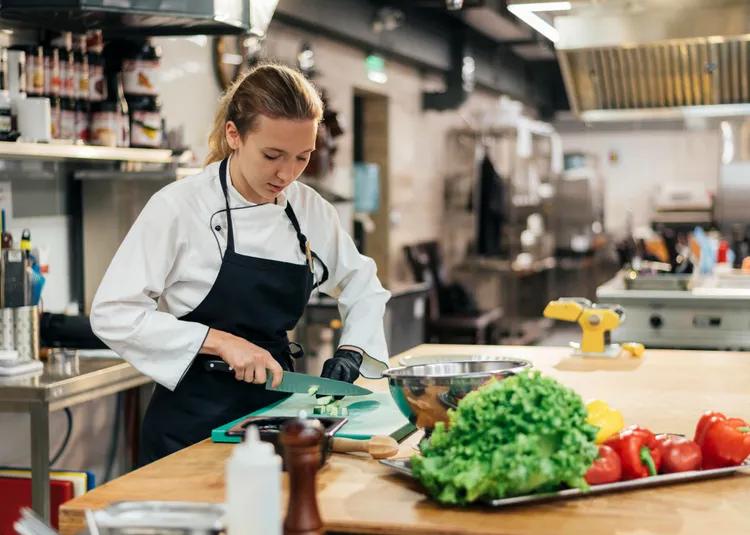
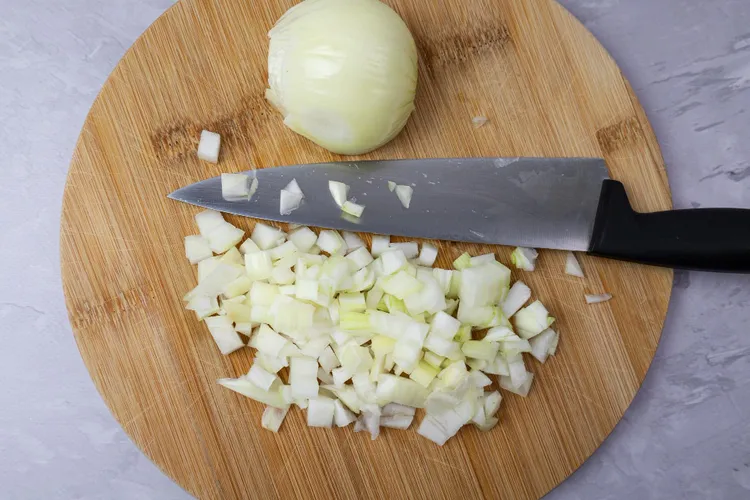
One of the biggest causes of holiday kitchen stress is trying to do everything at the last minute. Make-ahead dishes are essential for a calm Christmas. Many components, such as sauces, soups, casseroles, doughs, and desserts, can be prepared days or even weeks in advance and frozen. Even small tasks like chopping vegetables, measuring spices, or setting the table ahead of time can dramatically reduce the workload on Christmas Day itself.
Creating a realistic cooking timeline is another game-changer. Work backward from your serving time and note when each dish needs to start, rest, or finish. Include buffer time for unexpected delays - because they always happen. Having a clear plan eliminates constant decision-making and allows you to cook with confidence rather than panic. Posting your timeline in the kitchen keeps you focused and grounded throughout the day.
Delegation is not a weakness - it’s a holiday survival skill. Guests often want to help but don’t know how. Assign specific tasks like bringing a side dish, setting the table, or handling drinks and desserts. Sharing responsibility not only lightens your load but also makes the meal feel more communal and enjoyable. Letting go of total control creates space for connection, which is the true spirit of Christmas.
Mental burnout is just as important to address as physical exhaustion. Build in moments of rest, hydration, and nourishment while you cook. Skipping meals or standing nonstop for hours leads to fatigue and irritability. Take short breaks, sit down when you can, and remind yourself that perfection is not the goal - presence is. A warm, relaxed host creates a better atmosphere than a flawless but stressful meal ever could.
Flexibility is essential when planning Christmas meals. Not everything will go exactly as planned, and that’s okay. A slightly overcooked side dish or a forgotten garnish won’t ruin the celebration. Keeping perspective allows you to adapt and enjoy the process rather than feeling defeated by minor setbacks. The most memorable holiday meals are rarely perfect - they’re personal, comforting, and shared with people you love.
Planning Christmas meals without burning out is about intentional choices, thoughtful preparation, and kindness toward yourself. By simplifying your menu, preparing in advance, and letting go of unnecessary pressure, you can create a holiday meal that feels joyful instead of exhausting. When the focus shifts from perfection to connection, Christmas cooking becomes not just manageable - but genuinely enjoyable.
Latest