How to Stop Crying When Cutting Onions: 16 Proven Tips That Actually Work
Cutting onions shouldn’t feel like an emotional event - but for many home cooks, it leads to watery eyes, burning sensations, and uncontrollable tears. If you’ve ever wondered why onions make you cry and - more importantly - how to stop it, you’re in the right place.

Why Do Onions Make You Cry?
Understanding the “why” makes solving the problem easier.
When you cut an onion, you break its cell walls. This releases an enzyme called alliinase, which reacts with onion sulfur compounds to form syn-propane-thial-S-oxide - a gas that irritates your eyes. Your tear glands activate to wash the irritant away, and voilà: you’re crying.
The good news? Many simple techniques can prevent or reduce this reaction.
How to Stop Crying When Cutting Onions: The 16 Best Methods
Below are the most effective, scientifically supported, and chef-tested strategies.
1. Chill the Onion in the Fridge or Freezer
Best for: Everyday cooking
Why it works: Cold temperatures slow down the chemical reaction that produces tear-inducing gas.
How to do it:
-
Refrigerate onions for 30 minutes, or
-
Freeze for 10-15 minutes before cutting.
Tip: Don’t freeze too long or the onion becomes mushy.
2. Use a Sharp Knife (Not a Dull One)
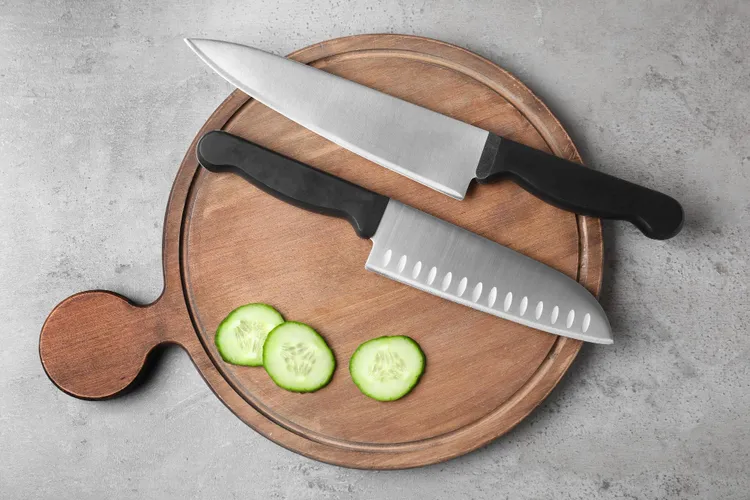
A sharp knife cuts cleanly, damaging fewer cells and releasing fewer irritants.
Pro tip: If your knife squeezes instead of slicing - time to sharpen it.
3. Cut Onions Under a Vent or Range Hood
Turn your kitchen fan to high and slice the onion directly beneath it.
This pulls the irritating gas away from your face.
4. Try Cutting Onions Under Running Water or Submerged
This classic kitchen trick works surprisingly well.
Options:
-
Cut onions under gentle running water
-
Slice them in a bowl of water
Water traps sulfur compounds before they reach your eyes.
5. Wear Kitchen Goggles (Yes, They Work)
Special onion goggles or even regular swim goggles create a tight seal that keeps the gas out.
It may look silly - but you’ll be tear-free.
6. Use a Fan to Blow the Gas Away
A small desk fan angled so it blows the fumes away from your face works wonders.
This is one of the easiest, most effective hacks.
7. Remove the Core (The “Root”) Last
The root end has the highest concentration of enzymes.
How to reduce tears:
-
Cut the top off first
-
Leave the root intact
-
Slice the onion, then cut the root last or discard it whole
8. Try the “Chewing Gum Trick”
Chewing gum while cutting onions engages mouth breathing and may also reduce sensitivity to the gas.
Some cooks swear by it.
9. Use a Food Processor
If precision slices don’t matter, let a machine do the work.
Just be sure to open the lid away from your face so the fumes don’t blast you.
10. Light a Candle Nearby
A candle’s flame can help burn or draw in some of the onion gas.
It won’t eliminate all fumes, but it can reduce them significantly.
11. Keep Your Face as Far Away as Possible
The closer your eyes are to the onion, the more intense the reaction.
Try:
-
Standing slightly back
-
Extending your arms
-
Slicing on a higher countertop
Distance helps - every inch counts.
12. Soak the Onion in Water Before Cutting
Soaking for 10–15 minutes helps dilute the tear-causing chemicals.
This does slightly soften the onion, so it’s best for recipes where texture isn’t crucial.
13. Cut Near an Open Window
Natural airflow pulls away the irritant chemicals.
Combine this with a fan for maximum effect.
14. Use the “Breathe Through Your Mouth” Method
Breathing through your mouth reduces airflow over your tear ducts.
Better yet: stick your tongue out while cutting. It may look odd, but cooks swear it diverts fumes.
15. Switch to Sweeter Onion Varieties
Varieties with lower sulfur content produce fewer tears.
Tear-friendly onions include:
-
Sweet onions
-
Vidalia
-
Walla Walla
-
Maui onions
Avoid high-sulfur onions such as white or yellow onions when possible.
16. Buy Pre-Cut or Frozen Onions
If all else fails, convenience wins.
Frozen chopped onions retain flavor and can be added directly to dishes - no tearing required.
Additional Tips for Tear-Free Cutting
Store onions properly
Keep onions in:
-
A cool, dry place
-
Away from direct sunlight
-
Well-ventilated containers
This slows sulfur development.
Work quickly and confidently
The faster you slice, the less time the irritants have to reach your eyes.
Cut Onions Without the Tears
You don’t have to cry every time you cut an onion. With the right techniques - from chilling your onions to upgrading your knives - you can dramatically reduce or eliminate onion tears.
Experiment with a few methods from this list, and you’ll quickly find the combination that works best for your kitchen.
FAQs About Cutting Onions Without Crying
1. Why do I cry more with certain onions?
Different onion varieties have different sulfur levels. Higher sulfur = more tears.
2. Does wearing contacts help stop onion tears?
Yes! Contacts act like a partial barrier, reducing irritation.
3. Do safety glasses help?
Regular safety glasses don’t seal well enough. Goggles with a foam barrier work best.
4. Are tearless onions real?
Yes! Some stores sell varieties like “Sunions,” specially bred to be mild and tear-free.
5. Does refrigerating onions change their flavor?
A short chill won’t alter flavor - but long-term refrigeration may soften texture.
Latest