Low & Slow vs. Hot & Fast: When Each Technique Works Best
When you walk into any kitchen - whether it’s a backyard full of smoky grills or a quiet home with a single cast-iron pan heating on the stove - there’s an unspoken truth about cooking: heat is not just a tool, it’s a strategy. The way you apply it shapes flavor, texture, tenderness, and even the emotional experience of eating. At the heart of this strategy lie two timeless methods that cooks everywhere debate with passion: low & slow and hot & fast. Understanding when to choose one over the other doesn’t just make you a better cook; it transforms the way you think about food.
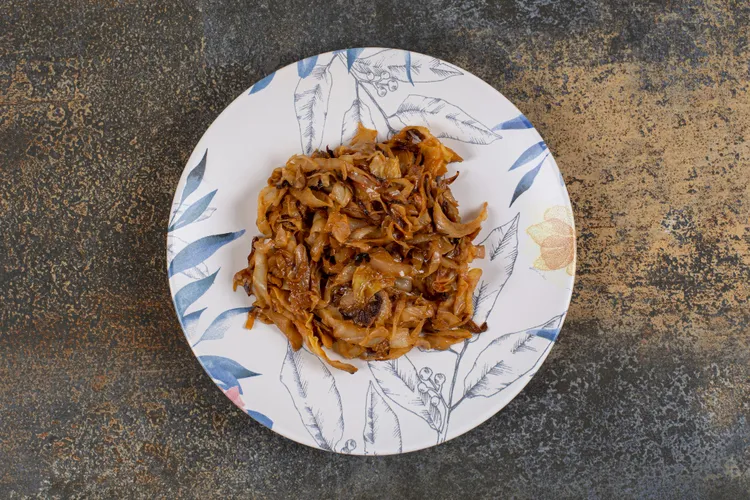
Low & slow cooking is like storytelling, unfolding flavors patiently, weaving depth and richness through time. It’s the method behind fall-apart short ribs, silky pulled pork, and aromatic braises that scent the house for hours. The magic comes from gentle heat working steadily to break down tough connective tissues in meats, soften fibrous vegetables, and meld spices into a single, round profile. Collagen melts into gelatin at lower temperatures, turning previously chewy cuts into something lusciously tender. This method reduces moisture loss, which is why slow-cooked dishes feel juicy despite long cooking times. The food becomes comforting, soulful, structured around warmth and patience. If you’ve ever lifted a spoonful of chili or stew that tasted like it had been simmering for centuries, you’ve tasted the power of low & slow.
Of course, this method is not just about tenderness - it’s also about flavor layering. With time, aromatics have the luxury to mingle. Caramelization begins gently. Spices soften and round out. Every ingredient tells a story, but together they create harmony. That’s why dishes like brisket, pot roast, curries, and slow-roasted vegetables carry such deep, nuanced flavors. Low & slow rewards planning and intention: it’s perfect when you have hours to spend and want results that feel luxurious and rich without requiring much active work. In fact, many cooks love it precisely because you can “set it and forget it,” letting time do the heavy lifting.
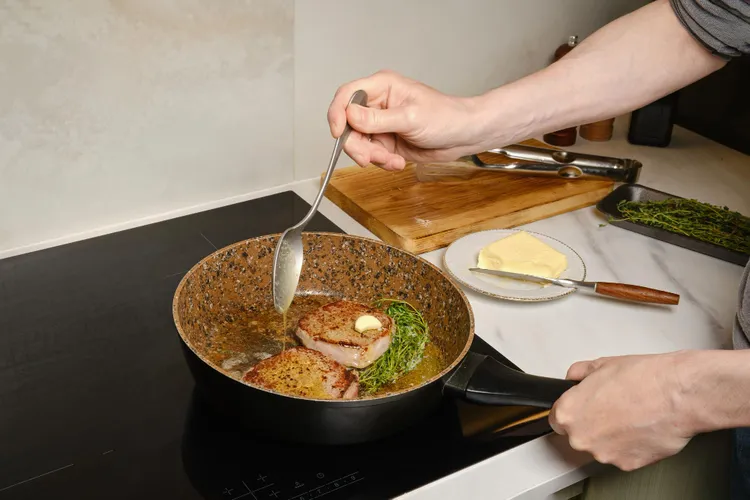
Then there’s hot & fast - the exact opposite in pace and personality. This is cooking as adrenaline, as precision, as that sizzle when meat kisses a scorching pan or a steak sears on a ripping-hot grill. High heat transforms the outer layer of food in seconds, creating crisp, caramelized surfaces that awaken the senses with aroma and texture. Ever wonder why a burger tastes flat when cooked slowly, but becomes irresistible when cooked quickly over high heat? The answer lies in the Maillard reaction: a complex chemical dance that only happens when temperatures soar. It gives you crusts, char, and those savory browned notes that practically define grilled, roasted, and pan-seared foods.
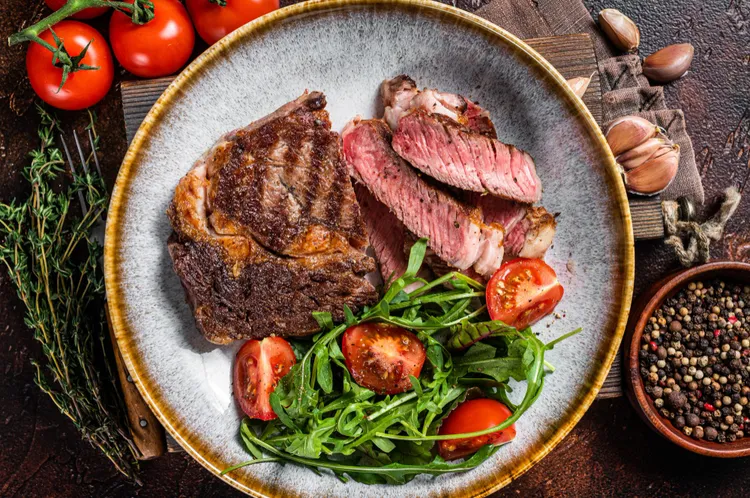
Hot & fast shines when you want to keep the inside of food juicy while building an intensely flavored exterior. Think steak cooked to medium-rare but with a deep, caramelized crust. Think vegetables that blister and sweeten in moments. Think stir-fries that stay crisp yet tender, each bite exploding with freshness. This method thrives on momentum - quick movement, attention, and timing. It’s ideal for delicate proteins like fish, chicken breasts, shrimp, or tender beef cuts; for thin vegetables; for breads and pizzas that rely on a blast of heat to puff and char. With hot & fast, you’re aiming for impact: bold flavor, contrast, immediacy. It’s a culinary snapshot, a method for moments when you want big results in minutes.
Choosing between low & slow and hot & fast comes down to understanding what the food itself needs. Tough cuts full of connective tissue - brisket, pork shoulder, chuck roast, lamb shank - beg for slow cooking because only time can coax tenderness from their structure. Lean, already-tender cuts like ribeye, strip steak, chicken thighs, or salmon don't need that time; they need heat, intensity, speed. Vegetables follow the same logic: root vegetables become sweet and buttery when roasted low & slow, but asparagus, bell peppers, and green beans prefer a quick blast that keeps them crisp and alive.
But the decision is also about what you want from the experience. Low & slow creates dishes with deep comfort, perfect for weekends, gatherings, or quiet evenings when aroma becomes part of the atmosphere. Hot & fast is the go-to for weeknight meals, spontaneous cravings, and dishes where texture is the leading star. Some cooks even combine methods - for example, slow-cooking ribs until tender, then finishing them on high heat to caramelize the sauce. Understanding both allows you to break rules with purpose rather than guesswork.
Ultimately, neither technique is better; they’re simply different expressions of the same culinary principle: heat transforms food, and how you apply it determines the result. Whether you choose the patient whisper of low & slow or the fiery excitement of hot & fast, the key is knowing what each method brings to the table - and what you want to bring to yours.