Natural Food Coloring Options for Beautiful Cakes Without Dyes
Creating beautifully colored cakes doesn’t require artificial dyes - nature provides plenty of vibrant alternatives. Fruits, vegetables, spices, and teas can all be used to achieve stunning, dye-free colors while adding subtle flavors. With the right techniques, you can make cakes that are both visually striking and completely natural.
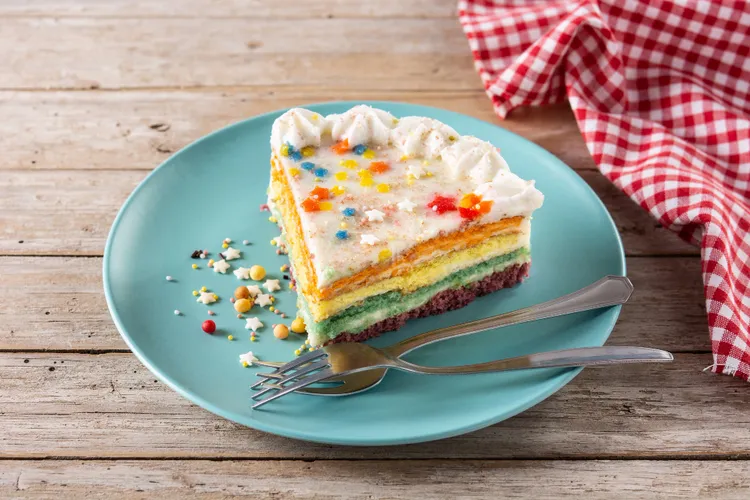
The vibrant colors of bakery cakes often come from artificial food dyes, but there’s a growing trend toward using natural ingredients to create stunning, edible hues. Natural food coloring not only enhances the visual appeal of cakes but also keeps them healthier, free from synthetic additives, and often adds subtle complementary flavors. Whether you’re aiming for pastel tones, deep shades, or bright accents, nature provides an array of ingredients that can transform a simple cake into a visually striking, delicious masterpiece. Understanding how to use these ingredients effectively is the key to professional-looking results.
One of the most versatile natural colorants is fruit and vegetable purées. Beets, for example, provide a rich red or pink tone, perfect for velvet cakes or frosting. Roasted or raw, beet purée can be reduced to concentrate color and then incorporated into buttercream, batter, or glazes. Similarly, carrot juice or purée can create orange hues, while pumpkin purée offers a warm, golden shade. Spinach, kale, or matcha powder are ideal for green coloring, while blueberries, blackberries, or purple sweet potato yield shades of purple and deep blue. The key is to balance the moisture and flavor contribution of these purées so the texture and taste of the cake remain unaffected.
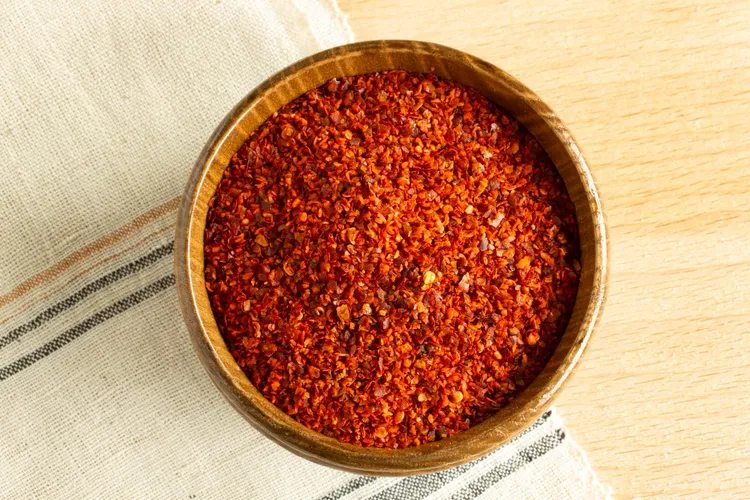
Spices and powders are another excellent source of natural color. Turmeric, while subtle, delivers a vibrant yellow without overpowering flavor when used sparingly. Paprika or annatto can produce orange or reddish tones in batters or frostings. Cocoa powder, of course, is a classic for deep browns, but combining it with natural purples, reds, or yellows can create earthy and elegant color palettes. For powdered ingredients, blending them with a small amount of liquid or fat before adding to the batter ensures smooth color distribution without clumping.
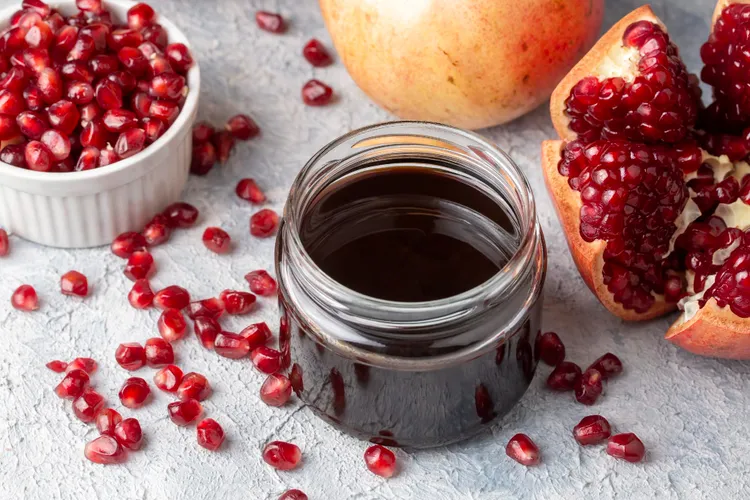
Juices and teas offer another gentle method for coloring cakes naturally. Hibiscus tea, steeped and reduced, produces a beautiful pink to magenta color, while green tea or matcha infuses a subtle green hue. Pomegranate juice or cranberry juice can give pink to light red shades, and beet juice provides more intense crimson tones. The challenge with liquid colorants is their added moisture, which can affect the texture and baking time. Adjusting the liquid in the recipe to compensate is critical for achieving consistent results.
Drying and concentrating colors is an advanced technique that allows for deeper, more vibrant shades. Freeze-dried fruits like strawberries, raspberries, or blueberries can be ground into powder and added directly to batters or buttercream. This method intensifies color without adding extra liquid or altering texture significantly. Similarly, dehydrated vegetables like beets or carrots can be powdered and used to create bold, natural colors while maintaining the integrity of the cake structure.
When using natural colors, it’s essential to understand pH sensitivity. Some pigments, like those in red cabbage or blueberries, can shift color depending on acidity. Adding acidic ingredients like lemon juice may brighten the color or shift it toward pink, while neutral or slightly alkaline batters may turn the same ingredients blue or green. Experimenting and testing small batches ensures you achieve the intended shade before committing to a full recipe.
Incorporating natural food coloring also involves layering and mixing techniques. Swirling purees into batter can create a marbled effect, while blending powders evenly produces solid, consistent color. For frosting, beating colors in slowly allows you to control intensity gradually, avoiding oversaturation that can make cakes look muddy. Pairing complementary colors from fruits, vegetables, or spices can create visually stunning, multi-colored cakes without a single artificial dye.
Natural food coloring is more than just an aesthetic choice - it reflects a mindful approach to baking. Using real ingredients not only provides beautiful colors but also enhances flavor and nutritional value subtly. With careful selection, preparation, and technique, you can create cakes that are vibrant, appealing, and fully natural, impressing guests and delighting anyone who prefers food without artificial additives. Whether for layered celebration cakes, cupcakes, or frosting accents, nature offers endless options to achieve professional-quality results at home.
Latest