Perfectly Poached Eggs Every Time - No Swirling Required
There’s something undeniably comforting about a perfectly poached egg - the soft whites, the golden runny center - but getting it right can be frustrating. Thankfully, there’s a simple method that works consistently, and it doesn’t involve any swirling or special gadgets. Once you learn this technique, poached eggs become an everyday luxury.
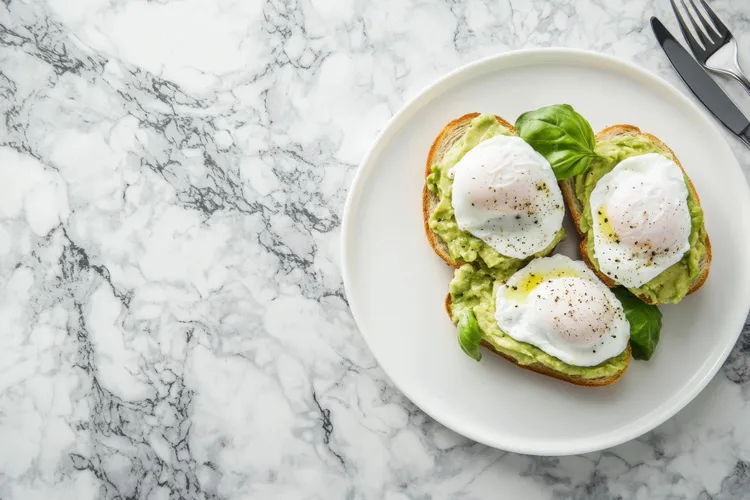
Poached eggs have a reputation for being fussy, intimidating, and downright unpredictable. Most home cooks have tried the classic “restaurant method” at least once - including swirling simmering water into a whirlpool like you’re casting a spell - only to end up with wispy egg strands floating everywhere except around the yolk.
Here’s the good news:
You don’t need swirling. You don’t need vinegar. You don’t need magic.
You just need a method that actually works.
In this guide, you’ll learn:
-
Why poached eggs fall apart
-
The exact water temperature you need
-
The real secret to tidy, Instagram-worthy whites
-
A step-by-step no-skill-needed method
-
Easy troubleshooting
-
How to batch-poach eggs for brunch
-
Creative ways to serve poached eggs
Let’s make poached eggs… stress-free.
Why Do Poached Eggs Go Wrong?
A poached egg should have:
-
A soft, jammy, silky yolk
-
A tender, cloud-like white
-
A smooth, cohesive shape
But when things go wrong, you get:
-
Stringy tails of white everywhere
-
A watery, messy egg
-
A broken yolk
-
Overcooked rubberiness
The biggest culprits?
1. Water that’s too hot
Boiling water breaks the egg apart.
2. Water that’s too cold
The whites drift and don’t set quickly.
3. Old eggs
Older eggs have watery whites that scatter on contact with water.
4. Swirling (yes, really)
Swirling is inconsistent, chaotic, and unnecessary.
The solution is simple: use fresh eggs + a calm water bath at the right temperature.
The No-Swirl, No-Stress Method for Perfect Poached Eggs
This method is reliable, beginner-friendly, and works every single time - no special equipment, no vinegar fogging up your kitchen.
✔ What You’ll Need
-
Fresh eggs (the fresher, the tighter the whites)
-
Medium saucepan
-
Slotted spoon
-
Small ramekin or bowl
-
Paper towel for draining
✔ The Perfect Poaching Temperature
Your water should be:
Barely simmering: 180-190°F (82-88°C)
This looks like:
-
Steam lifting off the water
-
Tiny bubbles forming on the bottom
-
No rolling bubbles on the surface
Too vigorous = shredded egg.
Too cool = wispy egg.
Step-by-Step: How to Poach Eggs Without Swirling
Follow these steps and you’ll never have poaching anxiety again.
1. Heat the water to a bare simmer
Fill a pot with 3-4 inches of water. Set heat to medium or medium-low.
Look for gentle movement - not boiling.
2. Crack your egg into a small bowl
This does two things:
-
Ensures no broken shells
-
Allows you to slide the egg into the water gently
This is one of the biggest secrets of clean poaching.
3. Lower the bowl into the water and gently tip the egg out
Don’t drop from above.
Don’t toss.
Just get the bowl close to the surface, then tilt.
This alone creates a neat, compact egg - no swirling required.
4. Leave it alone for 3-4 minutes
Resist the urge to poke.
If you want:
-
Runny yolk: 3 minutes
-
Slightly firmer yolk: 4 minutes
-
Very soft but set white: 4½ minutes
5. Lift gently with a slotted spoon
Give the egg a little jiggle. If the white looks set, it’s done.
If the whites still look loose, give it another 20-30 seconds.
6. Drain on paper towel
This removes excess water and keeps toast from getting soggy.
Season with:
-
Salt
-
Pepper
-
Chili flakes
-
Everything bagel seasoning
-
Smoked salt (amazing)
Your perfectly poached egg is ready.
Bonus Tip: The Fresh Egg Test
Want to know if an egg will poach well?
Put it in a bowl of water:
-
Sinks + lays flat → super fresh
-
Tilts upward → still good
-
Stands upright → older, whites will spread
-
Floats → not good for poaching (or eating)
Freshness equals tidier poached eggs.
Common Mistakes (and How to Avoid Them)
Boiling water
Scrambles the whites instantly.
Keep water calm.
Using old eggs
Watery whites = messy poaching.
Cracking directly into the pot
This guarantees wispy whites.
Adding tons of vinegar
A tiny bit helps, but it also alters flavor.
This method doesn’t need any.
Overcooking
Poached eggs continue cooking for a few seconds after removal. Remove when slightly underdone.
How to Serve Poached Eggs - Delicious Ideas
Poached eggs are incredibly versatile. Try them with:
Breakfast
-
Avocado toast with chili flakes
-
English muffins with ham (classic Eggs Benedict)
-
Savory oatmeal with sautéed greens
-
Hash browns or roasted potatoes
-
Breakfast grain bowls
Lunch
-
On a big, crisp salad (especially with bacon or roasted veggies)
-
On toast with ricotta, tomatoes, or sautéed mushrooms
-
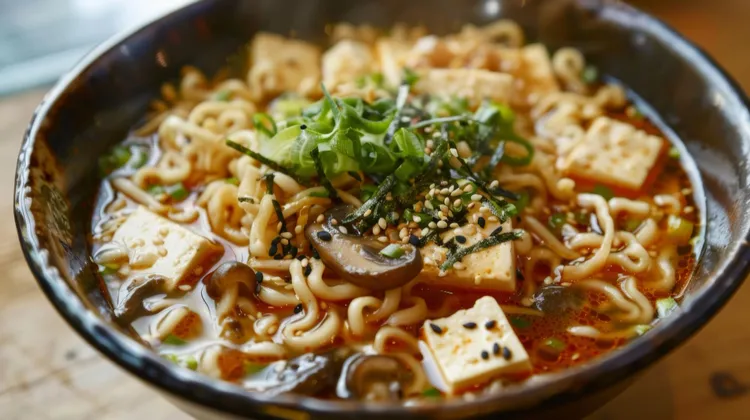
On top of ramen or miso soup
Dinner
-
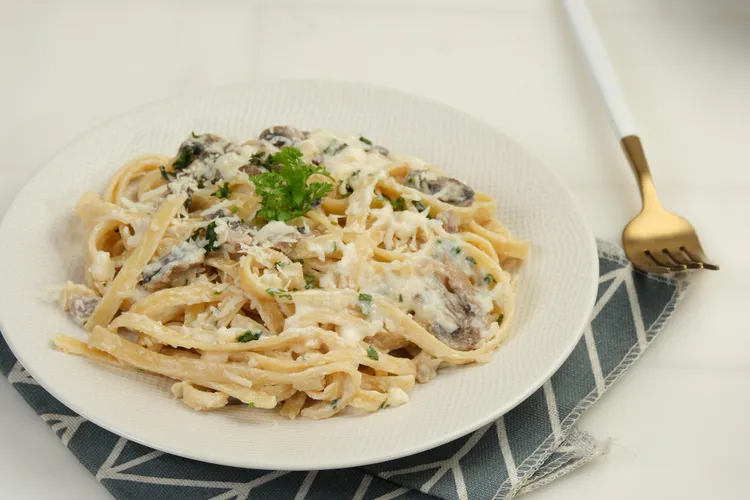
Over pasta with brown butter
-
On top of roasted asparagus
-
With pan-seared salmon
-
On risotto
-
Over sautéed spinach with garlic
A poached egg adds richness, protein, and instant “gourmet” vibes.
Variations: Flavor Boosts for Poached Eggs
Upgrade your poached eggs with:
Seasonings
-
Smoked paprika
-
Chili oil
-
Herbed salt
-
Fresh herbs (chives, dill, parsley)
Sauces
-
Hollandaise
-
Salsa verde
-
Hot honey
-
Pesto
-
Romesco
Toppings
-
Crispy shallots
-
Avocado
-
Toasted breadcrumbs
-
Parmesan shavings
Quick, pretty, delicious.
You Don’t Need Tricks - Just a Good Method
Perfectly poached eggs don’t require:
- Swirling
- Vinegar baths
- Special tools
- Chef-level skill
With the right water temperature, fresh eggs, and gentle handling, you’ll get beautifully shaped, silky, runny-yolked poached eggs - every single time.
Once you learn this method, poached eggs become one of the easiest, most impressive things you can cook. And trust me… you’re going to want them on everything.
Latest