The Best Methods for Testing Cake Doneness (Beyond Toothpicks)
Knowing when a cake is perfectly baked is key to achieving moist, tender, and bakery-quality results. While many bakers rely on toothpicks, there are more reliable methods using visual cues, touch, aroma, and even temperature. Mastering these techniques ensures your cakes come out perfectly every time, no matter the recipe.
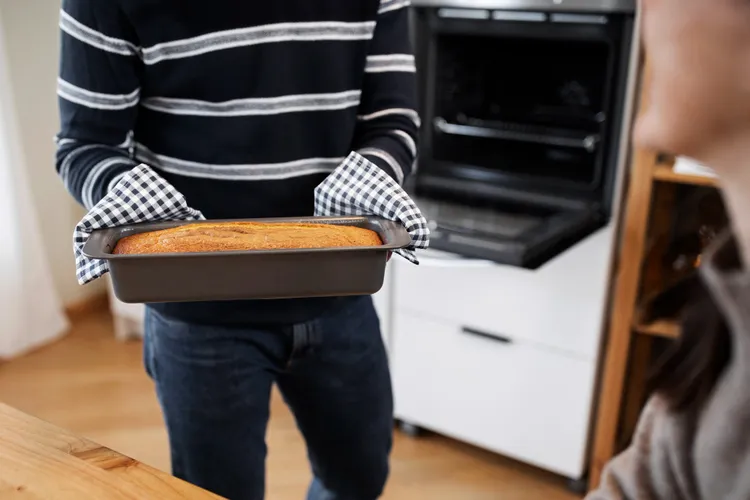
Baking a cake is part science, part art, and one of the most crucial moments is knowing exactly when it’s done. While many bakers instinctively reach for a toothpick, relying solely on this method can lead to overbaked or undercooked cakes. Understanding multiple techniques for testing doneness allows you to achieve the perfect texture - moist, tender, and evenly baked - every time. From visual cues to touch, aroma, and internal temperature, professional bakers employ a variety of methods to ensure flawless results, and home bakers can master them too.
One of the most reliable ways to test cake doneness is by observing the edges. As a cake bakes, it begins to pull away from the sides of the pan. This separation indicates that the structure has set and the cake is nearing completion. Look for a slight browning around the edges and a firm perimeter; if the cake is still clinging to the pan, it usually needs more time. This method works particularly well for dense cakes, pound cakes, and loaves, where a toothpick may not give a clear result in the center.
Touch and spring-back is another professional technique that goes beyond inserting anything into the cake. Lightly press the center of the cake with a fingertip: if it springs back, the cake is done; if the indentation remains, it needs more time. This method is especially useful for delicate cakes like sponge or chiffon, where inserting a skewer might cause unwanted deflation. Combined with edge observation, touch allows you to gauge doneness without ever piercing the cake.
Visual cues on the top surface also provide valuable information. The top should appear set and slightly golden, with a matte finish rather than a wet, glossy sheen. For cakes with domed tops, the dome should look firm and stable. In addition, for multi-layered or frosted cakes, a gentle jiggle test - slightly shaking the pan - can help indicate whether the interior is fully set. The cake should wobble minimally, indicating it’s baked through.
A less traditional but increasingly reliable method is using an instant-read thermometer. While more commonly used in bread baking, temperature can be an excellent guide for cakes. Most cakes are fully baked when the internal temperature reaches about 200-210°F (93-99°C), though lighter sponge cakes may be done slightly lower. This method removes guesswork, particularly for large cakes, cheesecakes, or recipes with high moisture content where traditional cues might be misleading.
Aroma is an often-overlooked indicator of doneness. As the cake nears completion, the kitchen fills with its characteristic scent, signaling that sugars are caramelizing and the batter has set. While not precise enough to rely on alone, pairing aroma with touch, edge observation, and visual cues gives a holistic picture of doneness.
It’s important to note that cake type influences which methods work best. Light, airy cakes like chiffon or angel food are better judged by touch and surface firmness rather than a skewer, which can collapse their delicate structure. Dense cakes, brownies, or fruit cakes may require a combination of edge observation and thermometer readings. Using multiple methods in tandem minimizes errors and ensures the cake is moist yet fully cooked.
Baking environment also plays a role. Oven hotspots, pan material, and batter hydration affect how the cake sets. Convection ovens may bake more evenly, reducing guesswork, whereas traditional ovens may require extra attention to the cues described above. Adjusting baking time slightly based on these factors ensures the best outcome.
Ultimately, testing cake doneness is about combining science and sensory awareness. Toothpicks are a helpful tool but should be just one of several cues. Observing edges, pressing lightly, checking the top, measuring temperature, and noticing aroma together provide a comprehensive approach that guarantees consistent, professional-quality results. With practice, these techniques become second nature, allowing you to bake cakes that are beautifully textured, perfectly moist, and reliably done every time.
Latest