The First 5 Gluten-Free Flours You Should Buy
Walking into gluten-free baking can feel confusing fast, especially when you’re faced with dozens of unfamiliar flours. The truth is, you don’t need them all to get started. These five gluten-free flours form a smart, versatile foundation that lets you cook and bake confidently without overwhelm.
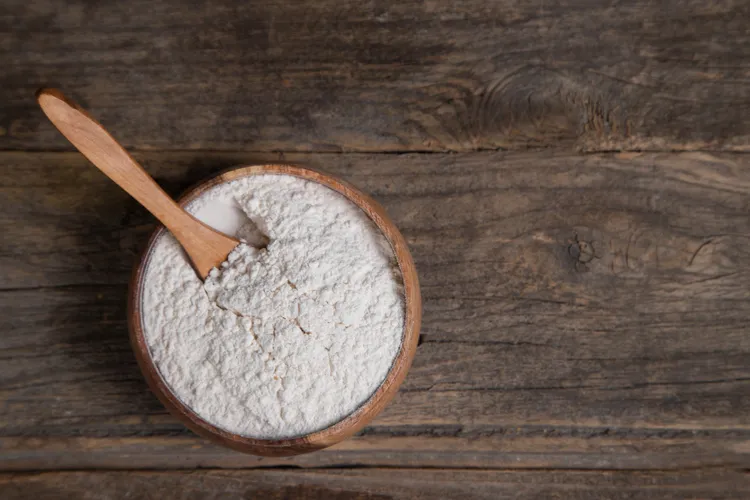
Starting a gluten-free kitchen doesn’t require stocking every specialty flour you see on the shelf. In fact, buying too many flours at once often leads to wasted money, expired ingredients, and frustration. The smartest approach is to begin with a small, flexible collection of gluten-free flours that cover the widest range of recipes. These first five gluten-free flours are beginner-friendly, widely available, and powerful enough to handle everything from pancakes and muffins to bread and pizza dough.
Rice flour should almost always be the first gluten-free flour you buy. It’s mild in flavor, affordable, and incredibly versatile. White rice flour, in particular, works as a neutral base in both sweet and savory recipes. It blends well with other flours, thickens sauces, and forms the backbone of many gluten-free flour blends. Because rice flour doesn’t dominate flavor, it’s ideal for beginners who want predictable results without strong aftertastes. While rice flour alone can be gritty if not used correctly, it shines when paired with starches or whole-grain flours.
The second essential gluten-free flour is tapioca starch, sometimes labeled tapioca flour. This ingredient is key for improving texture in gluten-free baking. Tapioca starch adds elasticity, chew, and lightness, helping replace the stretch that gluten normally provides. It’s especially important in bread, pizza dough, and rolls, where structure matters most. Without tapioca starch, many gluten-free baked goods feel dense or crumbly. Used in moderation, it transforms texture without affecting flavor.
Next on the list is sorghum flour, one of the most underrated gluten-free flours for beginners. Sorghum has a mild, wheat-like flavor and provides much-needed structure to gluten-free baked goods. It absorbs moisture well, reduces gumminess, and helps baked items hold their shape. Sorghum flour works beautifully in muffins, quick breads, pancakes, and yeast-based recipes. For anyone transitioning from traditional baking, sorghum flour makes gluten-free results feel more familiar and satisfying.
Oat flour is another smart early purchase, especially if you enjoy breakfast-style baking. Made from finely ground oats, oat flour adds softness, moisture, and a slightly sweet, comforting flavor. It performs well in cookies, muffins, pancakes, and snack bars. Oat flour also helps balance starch-heavy blends, improving crumb and moisture retention. It’s important to use certified gluten-free oat flour to avoid cross-contamination, but once you do, it quickly becomes one of the most dependable flours in your pantry.
The fifth gluten-free flour worth buying early is almond flour. Almond flour brings richness, moisture, and nutritional value to gluten-free baking. High in healthy fats and protein, it creates tender, cake-like textures that are hard to achieve with grain flours alone. Almond flour works especially well in muffins, quick breads, pancakes, and cookies. While it doesn’t provide much structure on its own, it pairs beautifully with rice flour or sorghum flour to balance texture and flavor.
What makes these five gluten-free flours so valuable is how well they work together. Rice flour provides a neutral base, tapioca starch adds elasticity, sorghum flour builds structure, oat flour softens texture, and almond flour adds moisture and richness. With just these five ingredients, you can create your own custom gluten-free flour blends and adapt countless recipes without relying entirely on store-bought mixes.
Another advantage of starting with these flours is cost control. Instead of investing in dozens of specialty items, you’re buying multipurpose ingredients that get used frequently. This reduces waste and helps you learn how each flour behaves, which is far more important than owning every option available.
From an cooking perspective, these flours also cover nearly all beginner gluten-free needs. They work for baking, thickening, frying, and even simple stovetop cooking. As you gain experience, you can expand into flours like buckwheat, millet, or coconut flour, but these five give you a strong, practical starting point.
Gluten-free cooking doesn’t have to be complicated or intimidating. By choosing the right flours from the beginning, you build confidence, consistency, and better results. These first five gluten-free flours aren’t just ingredients - they’re tools that make the entire gluten-free journey easier, more enjoyable, and far more successful.
Latest