The Most Underrated Ingredient in Your Kitchen
We’re always searching for better ingredients - specialty salts, imported oils, secret spices. But the most powerful ingredient in your kitchen is already there, quietly shaping every meal you make. It’s overlooked, underestimated, and more influential than anything in your pantry.
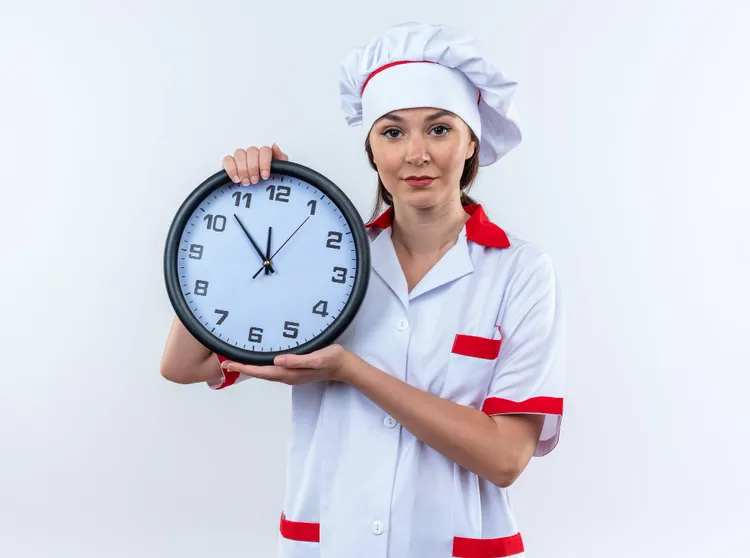
If you asked most people to name the most important ingredient in cooking, they’d point to salt, fat, or a favorite spice. While those matter, they’re not the true game-changers. The most underrated ingredient in your kitchen is time - how you use it, how you allow it, and how you respect it.
Time transforms food in ways no ingredient can. It deepens flavor, improves texture, and creates balance. When time is rushed or ignored, even the best ingredients fall flat. When it’s used intentionally, simple food becomes exceptional.
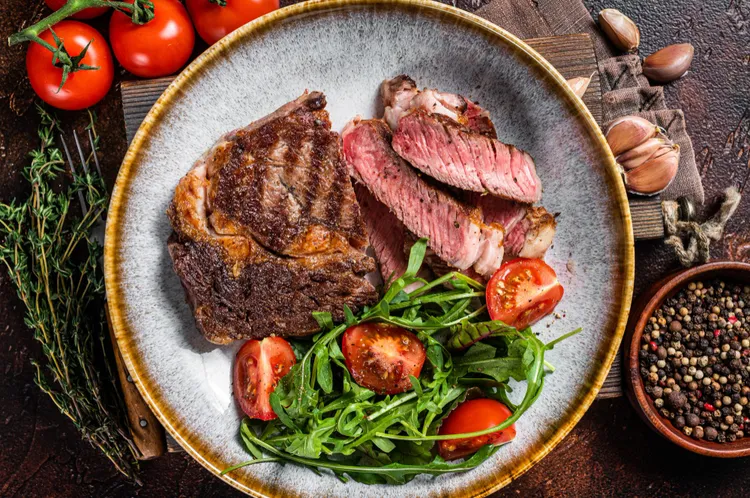
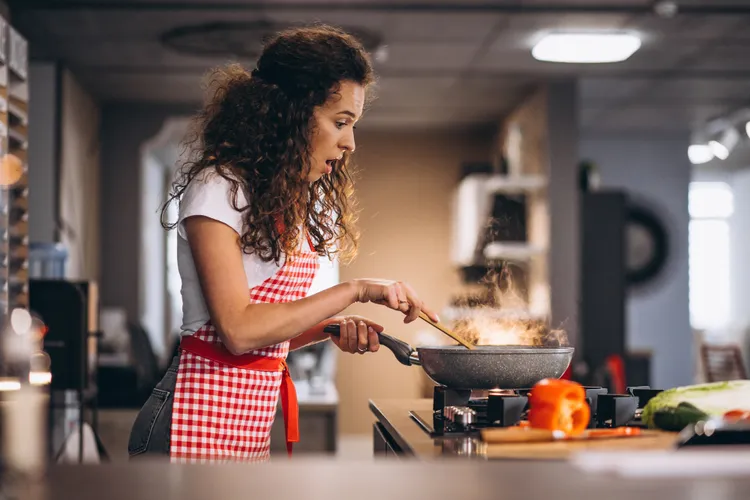
One of the clearest examples is browning. Caramelization and the Maillard reaction require patience. If vegetables are moved too soon or heat is too low, flavor never fully develops. Allowing food to sit undisturbed for just a few extra minutes can unlock richness that seasoning alone can’t create.
Resting food is another form of time that’s often skipped. Proteins need time after cooking for juices to redistribute. Skipping this step leads to dryness and lost flavor. The same applies to baked goods, sauces, and grains. Time allows structure to set and flavors to settle.
Time also works before cooking begins. Marinating, soaking, and resting ingredients change how food behaves. Even letting chopped onions sit briefly reduces sharpness. Allowing dough to rest improves texture. These small pauses compound into better results.
In everyday cooking, time often shows up as restraint. Not overcrowding the pan. Letting water come fully to a boil. Allowing sauces to simmer instead of rushing to thicken them. These choices feel small, but they’re foundational.
Time affects seasoning too. Flavors need moments to meld. Salting early draws out moisture and enhances depth. Acid added at the right moment brightens without overpowering. When everything is added at once, flavor feels flat and disconnected.
Beyond technique, time shapes confidence. When you slow down enough to observe, taste, and adjust, you learn faster. Cooking becomes responsive rather than rigid. You start trusting your senses instead of the clock.
Time is also emotional. Rushed cooking often leads to frustration, mistakes, and disappointment. Slower cooking - even by a few minutes - creates space to engage with the process. That engagement translates directly into better meals.
In a culture obsessed with speed and efficiency, time feels like a luxury. But using time wisely doesn’t mean cooking all day. It means giving food the moments it needs instead of fighting the process. Often, that costs nothing extra except patience.
Recognizing time as an ingredient reframes cooking entirely. You stop blaming yourself or your pantry and start noticing where things were rushed. The fix isn’t more tools or fancier ingredients - it’s often just waiting.
The most underrated ingredient in your kitchen isn’t something you can buy. It’s something you choose. When you give food time - before, during, and after cooking - you unlock flavor, confidence, and satisfaction that no shortcut can replace.
Latest