The “No-Recipe” Dinner Formula
Some nights, the hardest part of dinner isn’t cooking - it’s deciding what to make. When recipes feel overwhelming, a simple formula can replace them entirely. The no-recipe dinner formula makes meals easier, faster, and far less stressful.

The no-recipe dinner formula is built on one simple idea: dinner doesn’t need instructions, it needs structure. Instead of relying on step-by-step recipes, this approach uses a flexible framework that adapts to what you have, how you feel, and how much energy you can spare. It’s cooking guided by logic rather than pressure.
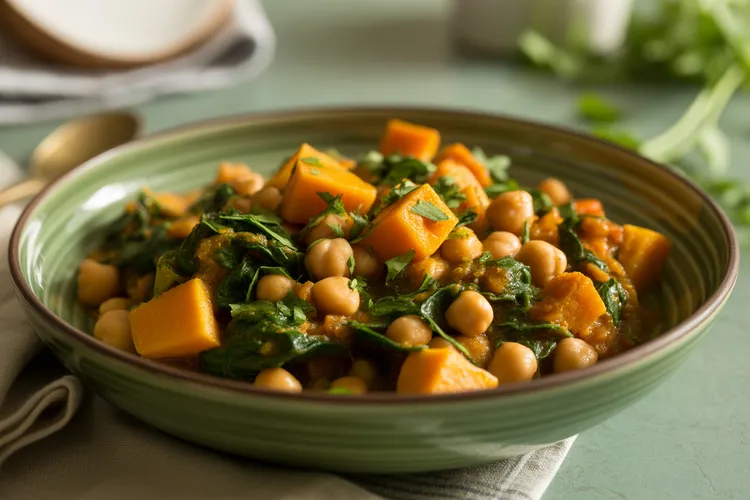
At the heart of the no-recipe formula is balance. A satisfying dinner usually includes a base, a protein, some form of fat, and flavor. When these elements come together, the meal feels complete even if it’s incredibly simple. Once you understand this, the panic of “What’s for dinner?” starts to fade.
The base is what makes the meal filling. This might be rice, pasta, potatoes, bread, tortillas, or grains. The base provides energy and comfort, and it anchors the meal. When energy is low, choosing something quick - like leftover rice or toast - keeps the process manageable.
Protein gives the meal staying power. Eggs, beans, lentils, tofu, yogurt, canned fish, or leftover meat all work here. Protein doesn’t have to be cooked from scratch every time. The formula encourages using what’s already prepared or easy to assemble.
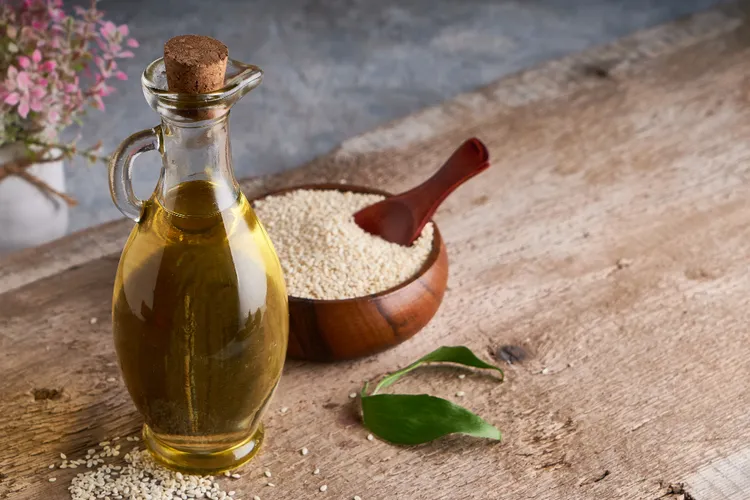
Fat brings satisfaction and depth. Butter, olive oil, cheese, avocado, nuts, or seeds help flavors bloom and make meals feel indulgent even when they’re simple. Fat also supports satiety, making dinners more emotionally and physically satisfying.
Flavor is where personality enters the formula. This could be a sauce, spice blend, condiment, or fresh herb. Salsa, soy sauce, pesto, garlic, lemon, chili oil - these small additions turn plain food into something craveable. The no-recipe formula relies on familiar flavors rather than perfection.
Vegetables fit in wherever they feel easiest. Fresh, frozen, roasted, sautéed, or raw all count. The formula doesn’t demand variety or complexity - just inclusion when possible. Even a handful of greens stirred into something warm can shift a meal from bare to balanced.
What makes the no-recipe dinner formula so powerful is its adaptability. It works for one person or a family. It works when you’re tired, busy, or unmotivated. It scales up or down without math or stress.
This approach also builds cooking confidence. Over time, you start recognizing patterns: what tastes good together, what satisfies you, what’s worth the effort. Cooking becomes intuitive instead of performative.
Another key benefit is reduced decision fatigue. Instead of searching endlessly for recipes, you ask simpler questions: What do I have? What sounds good? What can I combine quickly? These questions are easier to answer - and easier to act on.
The no-recipe dinner formula also supports consistency. When meals are easier to assemble, you’re more likely to eat at home, eat regularly, and eat in a way that feels supportive rather than exhausting.
Ultimately, this formula isn’t about cutting corners - it’s about cooking in a way that fits real life. Dinner doesn’t have to be impressive to be nourishing. When you let go of recipes and trust a simple structure, meals become less stressful and more sustainable.
The no-recipe dinner formula reminds us that feeding ourselves isn’t a test. It’s a daily act of care. And sometimes, the simplest systems make the most nourishing habits possible.
Latest