The Secret Ingredient Isn’t an Ingredient
Every great dish seems to come with a whispered promise of a “secret ingredient.” We hunt for it in spice jars, specialty shops, and recipe notes. But the truth is simpler - and more powerful: the secret ingredient isn’t an ingredient at all.

Ask a chef what makes their food taste better, and you’ll rarely hear the name of a rare spice or expensive product. What you’ll hear instead - sometimes indirectly - is a philosophy. Great food isn’t built on hidden components; it’s built on intention. The real difference between average cooking and unforgettable meals lies in how food is treated, not what’s added to it.
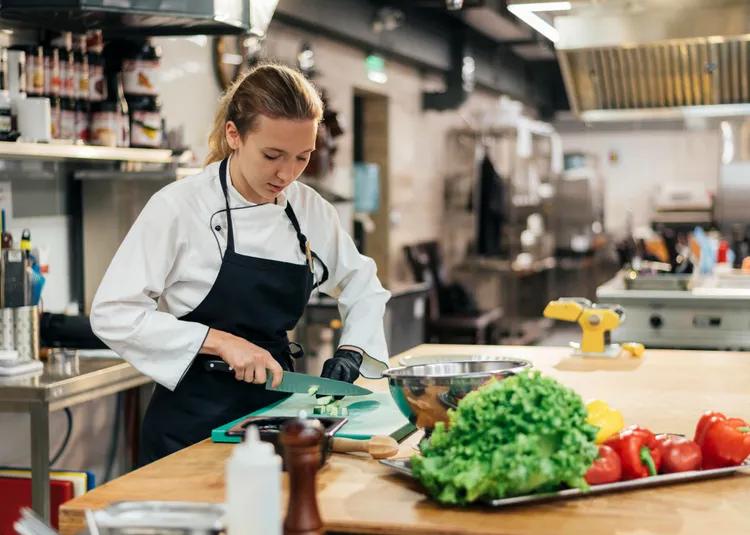
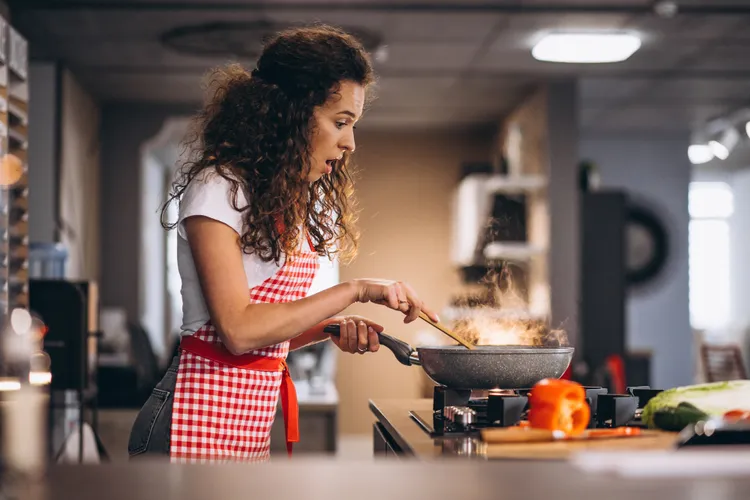
One of the most overlooked elements is attention. Cooking with awareness changes outcomes. Noticing how oil shimmers before adding vegetables, listening for the sizzle when protein hits the pan, smelling when garlic turns fragrant instead of burnt - these moments guide better decisions. Recipes provide structure, but attention provides precision.
Timing is another invisible ingredient. Knowing when to wait and when to act shapes flavor and texture. Rushing caramelization leads to bitterness. Cutting cooking short leaves flavors underdeveloped. Restaurants succeed not because they move faster, but because they respect timing. They allow food to become what it’s meant to be.
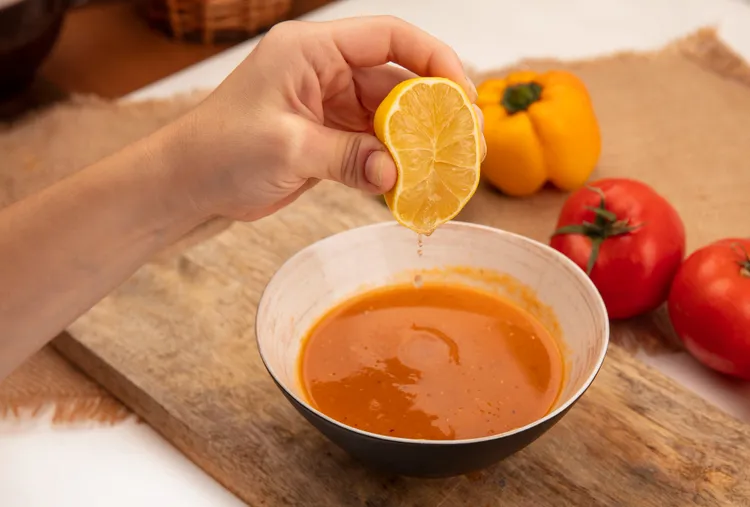
Seasoning is often mistaken for a single step instead of an ongoing process. Great cooks season gradually, tasting and adjusting along the way. This builds depth rather than surface flavor. Salt, acid, and fat work together to enhance what’s already there, not mask it.
Heat control might be the most powerful non-ingredient of all. Proper heat unlocks flavor through browning and texture. Too low, and food steams into blandness. Too high, and it burns before developing complexity. Learning how heat behaves in your own kitchen is more valuable than any new tool.
Confidence also plays a quiet but essential role. Hesitation leads to under-seasoning, overcrowded pans, and premature flipping. Confident cooking isn’t about arrogance - it’s about trust. Trusting your senses, trusting the process, and trusting that small adjustments matter.
Patience is what allows all of this to work. Letting dough rest, allowing sauces to reduce, giving proteins time to relax after cooking - these pauses create balance. In a culture obsessed with speed, patience becomes a powerful culinary advantage.
There’s also care. Food cooked with care tastes different because it’s handled differently. Ingredients are respected. Mistakes are adjusted, not ignored. Meals are cooked with the intention to nourish, not just to finish.
The secret ingredient shows up in how you taste as you cook, how you adjust without panic, how you finish a dish thoughtfully instead of mechanically. It’s present in the decision to add a splash of acid at the end, to rest food before serving, to stop cooking when it’s ready - not when the timer rings.
This is why two people can cook the same recipe with the same ingredients and get wildly different results. One follows instructions. The other cooks with awareness. The difference isn’t talent - it’s engagement.
Understanding that the secret ingredient isn’t an ingredient frees you from chasing perfection through purchases. You don’t need a better pantry; you need better presence. When you cook with attention, patience, and intention, even simple food becomes deeply satisfying.
Great cooking isn’t hidden behind mystery. It’s built from skills you already have: your senses, your instincts, and your willingness to listen to the food in front of you. That’s the real secret - and once you find it, every meal gets better.
Latest